If you’ve ever brought a tiny kitten home, you know the story all too well. Cute, fluffy, and purring like a tiny motorbike — and then suddenly, they start chewing everything in sight. Your shoelaces? Gone. Your new earbuds? Destroyed. Your fingers? Not safe anymore.
Welcome to the world of kitten teething. This phase usually starts when kittens are around 3 to 6 weeks old, and their baby teeth begin to fall out while adult teeth emerge. Chewing is a natural way for kittens to relieve discomfort, but without the right outlet, it can quickly become a problem.
Luckily, DIY homemade teething toys can be a safe, fun, and inexpensive solution. In this review-based guide, we’ll explore the best homemade teething toys, what materials are safe, how to use them, and even some creative ideas you can make today.
Why Kittens Need Teething Toys
Teething is like a roller coaster for kittens. Their tiny gums can get sore, swollen, and itchy. Chewing is their way of “scratching an itch” they can’t reach otherwise. But the problem is, without proper toys, your kitten might turn your fingers, furniture, or expensive shoes into their personal chew playground.
Why a teething toy helps:
- Soothes discomfort: Soft toys give something safe to bite.
- Encourages healthy chewing habits: Your kitten learns what’s okay to chew and what’s not.
- Protects your home: Redirects chewing away from furniture, wires, and other dangerous items.
What Makes a Good DIY Teething Toy?
Not all toys are created equal. Some toys can actually hurt your kitten if they’re too hard, small, or contain toxic materials. Think of a good teething toy like a soft pillow — gentle, comforting, and safe.
Materials to Use:
- Soft fabrics: Cotton, felt, fleece, old t-shirts
- Woven ropes or braided cloth: Gentle on gums
- Clean cardboard: Cardboard rolls or small boxes
- Chilled or wet cloth: Acts like a mini ice pack for sore gums
Materials to Avoid:
- Hard plastics or brittle toys
- Small items that can break off (buttons, beads)
- Painted, dyed, or toxic fabrics
Top DIY Teething Toys Reviewed
Here’s a review of the most effective homemade teething toys, including their benefits, how to make them, and why they work.
1. Braided Fabric Toy
- Materials: Old t-shirt, cut into strips
- How to Make: Braid the strips and knot the ends
- Why It Works: Soft, stretchable, and easy to chew. It mimics a “rope” texture that soothes sore gums and doubles as a tugging toy.
Pros:
- Soft and safe
- Easy to replace or wash
- Affordable
Cons:
- Can fray over time
- Needs supervision to prevent swallowing small threads
Review Summary: Perfect for kittens that love to tug and chew. Rated 4.8/5 by cat owners for safety and affordability.
2. Stuffed Sock Toy
- Materials: Old clean sock, optional cloth scraps inside
- How to Make: Fill the sock with soft cloth scraps and knot the end
- Why It Works: The sock is like a tiny cuddle buddy. Its soft texture relieves gum pain, and kittens can carry it around easily.
Pros:
- Inexpensive and readily available
- Lightweight and portable
- Customizable shapes and sizes
Cons:
- Needs regular washing
- Kittens may pull threads if unsupervised
Review Summary: Great for kittens who like to cuddle while chewing. Cat owners rate it 4.7/5 for convenience and safety.
3. Cardboard Chew Box or Roll
- Materials: Clean cardboard boxes or toilet-paper rolls
- How to Make: Remove staples and sharp edges; let kittens chew freely
- Why It Works: Cardboard has a slightly crunchy texture, which satisfies the chewing instinct and massages sore gums
Pros:
- Cheap and reusable
- Easy to customize
- Keeps kittens entertained for hours
Cons:
- Can tear quickly
- Not ideal for kittens who swallow bits of cardboard
Review Summary: Ideal for kittens who love texture variety. Rated 4.6/5 for fun and affordability.
4. Chilled Cloth “Ice Blanket”
- Materials: Washcloth, water
- How to Make: Wet the washcloth, freeze slightly or refrigerate, then let your kitten chew
- Why It Works: Cold provides relief to inflamed gums, just like a mini ice pack for their mouth.
Pros:
- Soothes pain instantly
- Simple to make
- Can be alternated with dry toys
Cons:
- Needs constant monitoring
- Not all kittens like cold items
Review Summary: A lifesaver during the peak teething stage. Rated 4.9/5 for immediate relief.
5. DIY Catnip Felt Toy
- Materials: Soft felt, dried catnip or silvervine, sewing needle and thread
- How to Make: Sew the felt into small shapes (mouse, ball), fill with catnip
- Why It Works: Catnip stimulates interest, making the toy irresistible while being soft on gums
Pros:
- Entertains and soothes
- Safe and soft
- Encourages independent play
Cons:
- Not all kittens respond to catnip
- Needs careful sewing to prevent stuffing escape
Review Summary: Perfect for kittens with playful personalities. Rated 4.8/5 for engagement and safety.
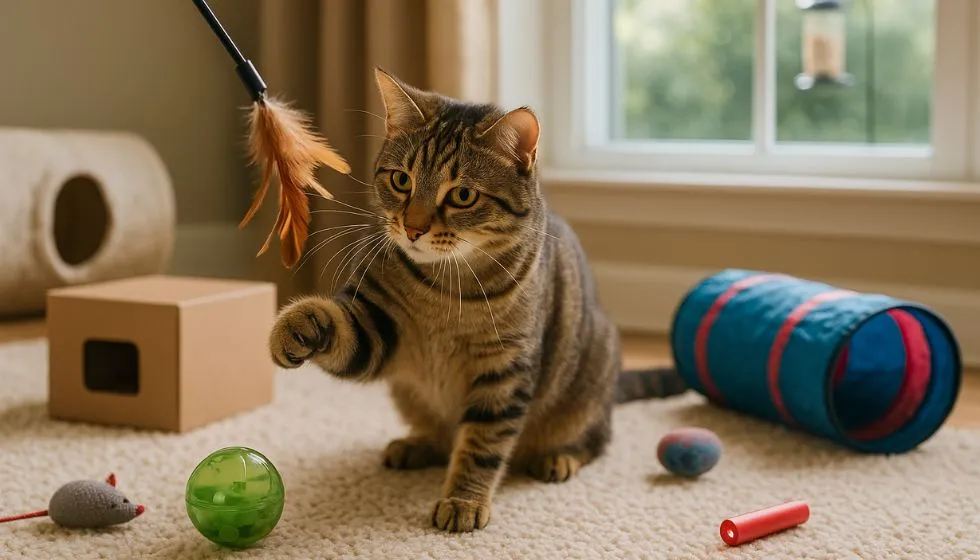
Some kittens prefer chasing objects over chewing. Gentle interactive toys keep them active while giving their gums relief.
How to Use DIY Toys Safely
Even the safest toy can become dangerous if used incorrectly. Follow these tips:
- Supervise Playtime – Always watch your kitten with new toys, especially DIY ones
- Switch Out Worn Toys – Torn or frayed toys may be hazardous. Replace them regularly.
- Redirect Chewing – If your kitten bites furniture or hands, gently redirect them to their toy.
- Check for Damage – Regularly inspect toys for loose threads, holes, or other hazards.
Kittens chewing while home alone can be loud. Choosing quiet, safe toys reduces stress, as seen in best low-noise toys for kittens.
Comparing DIY Toys vs Store-Bought Toys
| Feature | DIY Teething Toys | Store-Bought Teething Toys |
|---|---|---|
| Cost | Very low | Can be expensive |
| Customization | Fully customizable | Limited options |
| Safety | You control materials | Varies by brand |
| Environmental Impact | Reuses household items | Often plastic, non-biodegradable |
| Fun Factor | Engaging for kittens, can be interactive | Sometimes less personal |
Review Insight: Many cat owners prefer DIY toys because they’re safer, cheaper, and more creative than some store-bought options. However, store-bought toys are convenient and often designed for durability. A mix of both often works best.
Tips for Maximum Comfort
- Rotate toys to keep your kitten interested
- Offer cold toys for particularly sore gums
- Use soft textures for sensitive kittens
- Supervise play with cardboard or fabric to prevent accidental swallowing
- Pair toys with positive reinforcement — treats or praise when your kitten chews their toy
When to See a Vet
Teething is normal, but sometimes discomfort may indicate a problem. Contact a vet if you notice:
- Swollen, bleeding, or infected gums
- Excessive drooling
- Refusal to eat or chew
- Foul odor from mouth
Final Thoughts
Making teething toys at home is like preparing soup for a loved one — safe, thoughtful, and comforting. You use materials around your home, ensure safety, and provide personalized care. Plus, it’s fun.
When your kitten stops gnawing on furniture and starts enjoying their DIY toys, you’ll feel a sense of victory. Not just for your home, but for helping your tiny furball through a tricky stage.
Recommendation: Start with simple braided cloth toys or stuffed socks, mix in chilled toys for sore gums, and if your kitten is playful, add a catnip felt toy. Keep a close eye and rotate toys to maintain interest.
DIY homemade teething toys aren’t just practical; they strengthen your bond and make your kitten’s teething stage much smoother.
FAQs
Kittens usually start teething around 3 to 6 weeks old. Baby teeth fall out, and adult teeth begin to emerge, which can make their gums sore.
Yes, but DIY toys are safer, customizable, and cheaper. Store-bought toys are convenient, but you must check materials for safety.
Soft fabrics like cotton, fleece, felt, braided cloth, cardboard, or chilled washcloths are safe. Avoid small parts, hard plastic, or painted items.
Redirect your kitten to teething toys, rotate toys to maintain interest, and supervise playtime. Reward chewing on toys with praise or treats.
DIY toys are safe if made from non-toxic materials and supervised. Replace torn or frayed toys regularly to prevent swallowing small parts.

Luxifa Le is a freelance writer and animal science communicator with over six years of professional pet care experience. Passionate about making complex pet health and behavior topics easy to understand, she blends scientific accuracy with compassionate guidance to help pet owners make smarter, more confident decisions. When she isn’t writing, Luxifa is actively involved in the pet care community, advocating for responsible ownership and continued education.