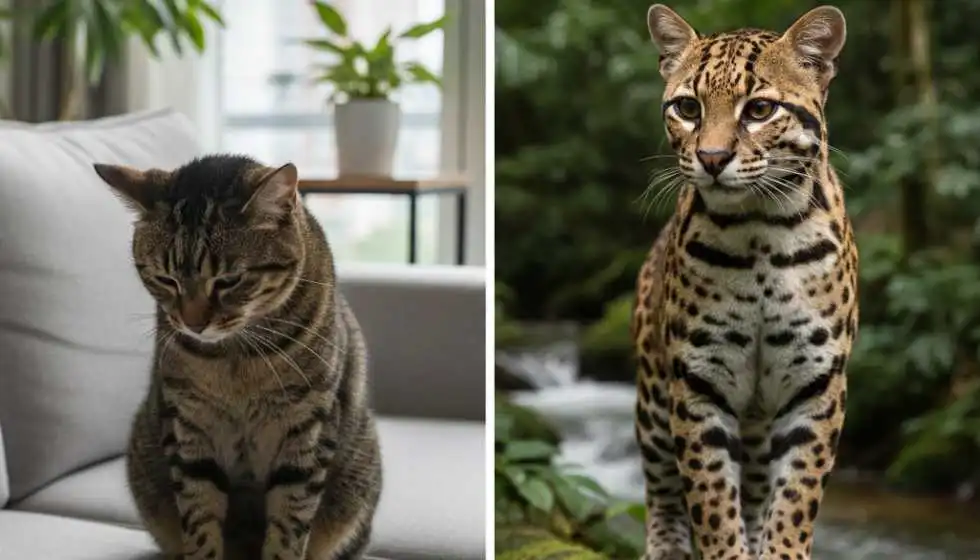
Many cat owners wonder whether keeping a cat indoors for life is fair. Is the cat bored? Does it feel trapped? Since cats are natural hunters and explorers, these questions are valid.
The good news is that cats can live happy, fulfilled, and stress-free lives indoors—as long as their physical, mental, and emotional needs are properly met. In fact, indoor living often offers cats a safer, healthier, and longer life.
Understanding Natural Cat Behavior
Cats are highly adaptable animals. While their wild ancestors relied on hunting and roaming large territories, domesticated cats have evolved to thrive in human environments.
Indoor cats learn to associate their home with:
- Safety
- Comfort
- Reliable food
- Affection and attention
This sense of security significantly shapes their behavior. When cats feel safe and stimulated, they rarely feel the need to roam.
Why Living Indoors Protects Cats from Serious Dangers
One of the biggest advantages of indoor living is safety.
Indoor cats are protected from:
- Road accidents
- Attacks from dogs or other animals
- Infectious diseases (FIV, FeLV, rabies)
- Parasites like fleas, ticks, and worms
- Poisoning from pesticides or toxic plants
Because of these protections, indoor cats generally live longer and healthier lives than outdoor cats.
Do Indoor Cats Get Bored?
They can—if their environment is not enriched.
Cats are intelligent and curious. Without stimulation, indoor cats may show signs of boredom such as:
- Excessive sleeping
- Overeating
- Destructive scratching
- Over-grooming
- Vocalizing for attention
Fortunately, boredom is easy to prevent with proper care.
Mental Stimulation Is Essential for Indoor Cats
Mental engagement is just as important as physical activity.
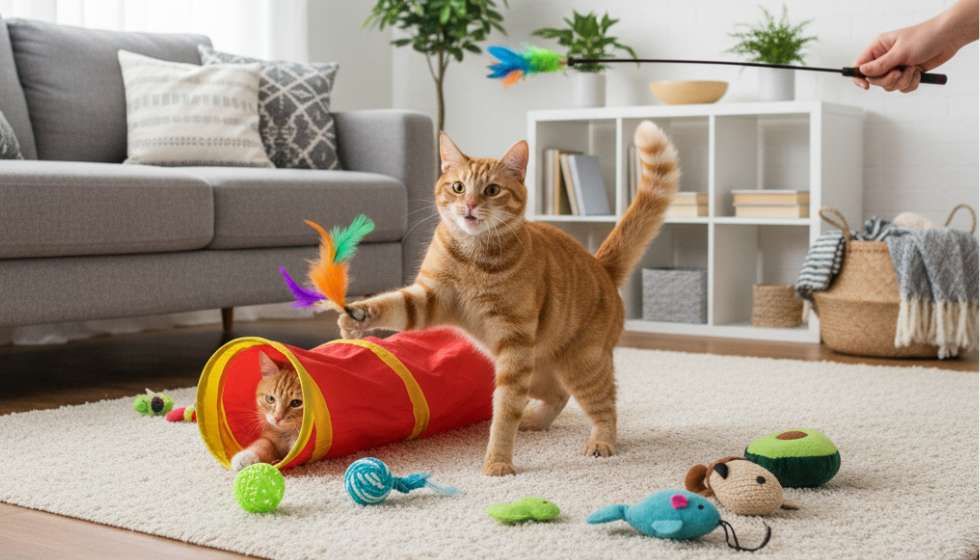
Effective enrichment ideas include:
- Puzzle feeders and treat-dispensing toys
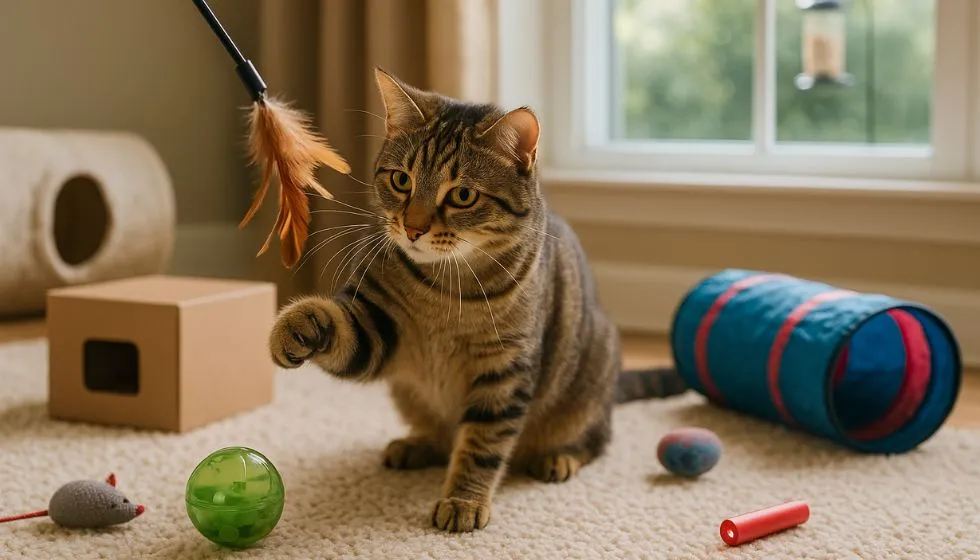
- Interactive toys like laser pointers and wand toys
- Rotating toys weekly to keep things “new”
- Hiding treats around the house to encourage exploration
Even small changes can dramatically improve a cat’s happiness.
Keeping Indoor Cats Physically Active
Lack of movement can lead to obesity, joint problems, and diabetes.
Daily playtime helps indoor cats:
- Burn excess energy
- Maintain a healthy weight
- Reduce anxiety and stress
Short but consistent play sessions using feather wands, balls, or chase toys are extremely effective.
Creating an Enriched Indoor Environment
An enriched home turns indoor living into an adventure.
Consider adding:
- Cat trees or wall-mounted climbing shelves
- Hideaways or covered beds
- Scratching posts placed near resting areas
- Elevated resting spots for security
Window Views Matter
Window perches allow cats to safely watch birds, people, and cars—stimulating their natural hunting instincts without risk.
The Importance of Routine and Predictability
Cats thrive on routine.
Consistent schedules for:
- Feeding
- Playtime
- Grooming
- Sleep
…help cats feel secure and reduce stress-related behaviors. Predictability makes indoor living comforting rather than confining.
Indoor Cats and Emotional Bonding
Cats may appear independent, but they are social animals.
Regular interaction through:
- Gentle petting
- Talking to your cat
- Interactive play
…strengthens trust and reduces loneliness. A bonded cat is a content cat.
Are Indoor Cats Healthier?
Yes—indoor cats are exposed to fewer illnesses and environmental hazards.
Benefits include:
- Lower risk of infectious diseases
- Fewer injuries
- Better weight control
- Easier monitoring of health changes
Routine vet visits and preventive care further enhance their quality of life.
Do Cats Miss the Outdoors?
Some cats may show curiosity by sitting near windows or doors. This doesn’t necessarily mean they’re unhappy.
Safe alternatives include:
- Cat-safe indoor plants
- Enclosed outdoor spaces (catios)
- Harness training for supervised outdoor time
These options satisfy curiosity without exposing cats to danger.
Why Many Cats Prefer Indoor Living
Indoor cats enjoy:
- Constant access to food and water
- Warm, comfortable sleeping spots
- Protection from threats
- Predictable routines
Cats raised indoors often have no desire to go outside because they are fully satisfied with what they know.
Preventing Boredom in Indoor Cats
To keep indoor cats engaged:
- Provide multiple scratching surfaces
- Rotate toys every few days
- Offer vertical spaces
- Schedule daily play sessions
A stimulated cat is less likely to develop destructive or anxious behaviors.
Training and Socialization Benefits
Indoor cats can benefit greatly from training:
- Clicker training
- Simple commands
- Food puzzles
Socialized cats adapt better to changes, guests, and other pets, reducing behavioral issues.
Sensory Enrichment for Indoor Cats
Cats experience the world through their senses.
Enhance sensory stimulation with:
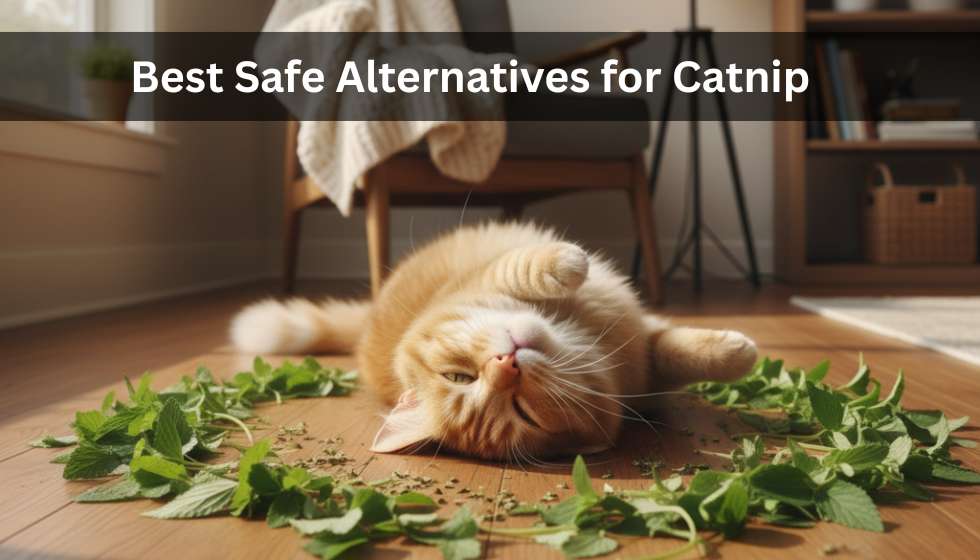
- Catnip or silvervine
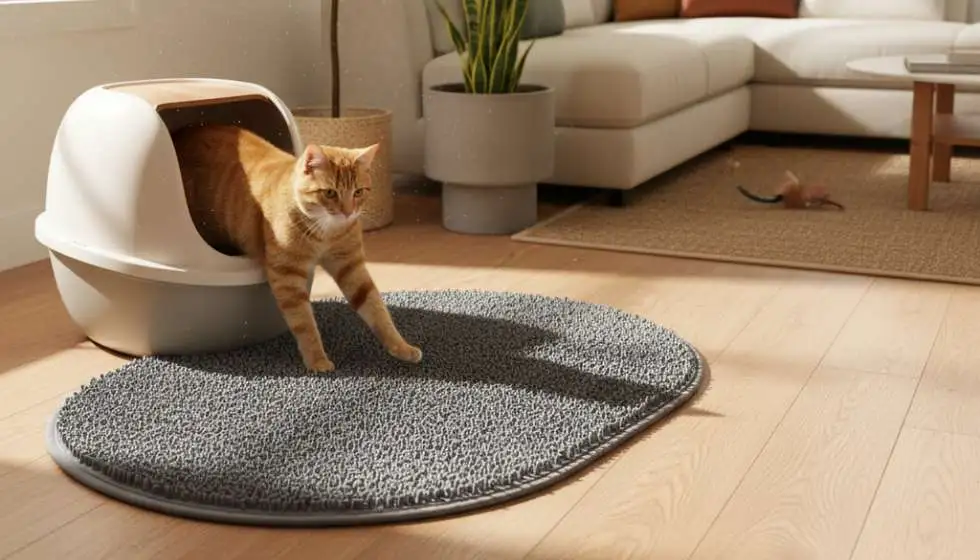
- Different textures (soft blankets, mats)
- New scents introduced safely
- Soft music or nature sounds
These experiences help cats feel mentally fulfilled.
Are Indoor Cats Truly Happy?
Yes—when their needs are met.
Happy indoor cats show:
- Relaxed body language
- Playfulness
- Affection
- Purring and slow blinking
A cat’s happiness depends more on care and enrichment than physical freedom.
Dispelling the Myth: “Cats Must Go Outside to Be Happy”
This is a common misconception.
Cats don’t need outdoor access to thrive. They need:
- Safety
- Mental stimulation
- Physical activity
- Love and companionship
A well-prepared indoor home meets all these needs.
Final Thoughts
Indoor cats can live long, safe, and deeply fulfilling lives. With the right environment, stimulation, and routine, they adapt beautifully to indoor living.
As an owner, your role is essential. By providing enrichment, affection, and consistency, you ensure your cat’s happiness—without ever needing to step outside.
FAQs
Yes, indoor cats can be very happy if their mental, physical, and emotional needs are met. With proper enrichment, playtime, and companionship, indoor cats often live stress-free and fulfilling lives.
Indoor cats can become bored if they lack stimulation. Providing interactive toys, climbing structures, scratching posts, and daily playtime helps prevent boredom and behavioral issues.
Yes, indoor cats are generally healthier because they are protected from traffic, predators, infectious diseases, parasites, and environmental toxins. Indoor cats also tend to live longer.
Most indoor cats do not miss the outdoors if they are well-stimulated. Window perches, interactive play, and cat-safe enclosures can satisfy their curiosity safely.
You can keep indoor cats mentally stimulated by using puzzle feeders, rotating toys, offering climbing spaces, introducing new scents, and scheduling regular interactive play sessions.

Luxifa Le is a freelance writer and animal science communicator with over six years of professional pet care experience. Passionate about making complex pet health and behavior topics easy to understand, she blends scientific accuracy with compassionate guidance to help pet owners make smarter, more confident decisions. When she isn’t writing, Luxifa is actively involved in the pet care community, advocating for responsible ownership and continued education.