Cats get bored when play lacks variety and challenge. This guide explains toy rotation, enrichment, and smart play strategies to keep cats engaged.
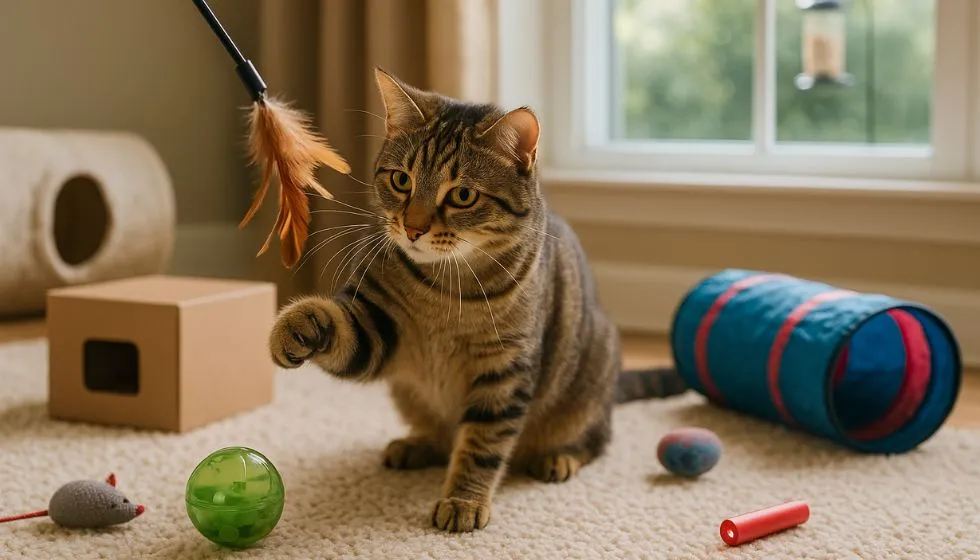
Cats are natural hunters with highly developed senses. In the wild, they spend a large part of their day stalking, chasing, problem-solving, and resting between hunts. Indoor life, while safer, often removes these challenges.
Even a brand-new toy can become boring if it doesn’t:
- Move unpredictably
- Respond to the cat’s actions
- Offer a reward (catch, treat, or sensory feedback)
Common Signs of Boredom in Cats
Boredom doesn’t always look obvious. It may appear as:
- Overeating or food obsession
- Scratching furniture or curtains
- Excessive sleeping or lethargy
- Night-time zoomies
- Aggression toward people or other pets
- Over-grooming or stress-related behaviors
Key takeaway: A bored cat is not a lazy cat—it’s an under-stimulated one.
The solution is structured enrichment, not just more toys.
The Science Behind Effective Cat Enrichment
Modern feline behavior studies emphasize three pillars of enrichment:
- Physical Activity – chasing, pouncing, climbing
- Mental Stimulation – puzzles, decision-making, learning
- Sensory Engagement – scent, sound, texture, visuals
The best toy plans combine all three—on rotation.
Weekly Cat Toy Rotation & Enrichment Schedule (Vet-Approved Approach)
Rotating toys mimics changing prey and environments, keeping your cat curious and motivated.
Monday — Hunt Mode
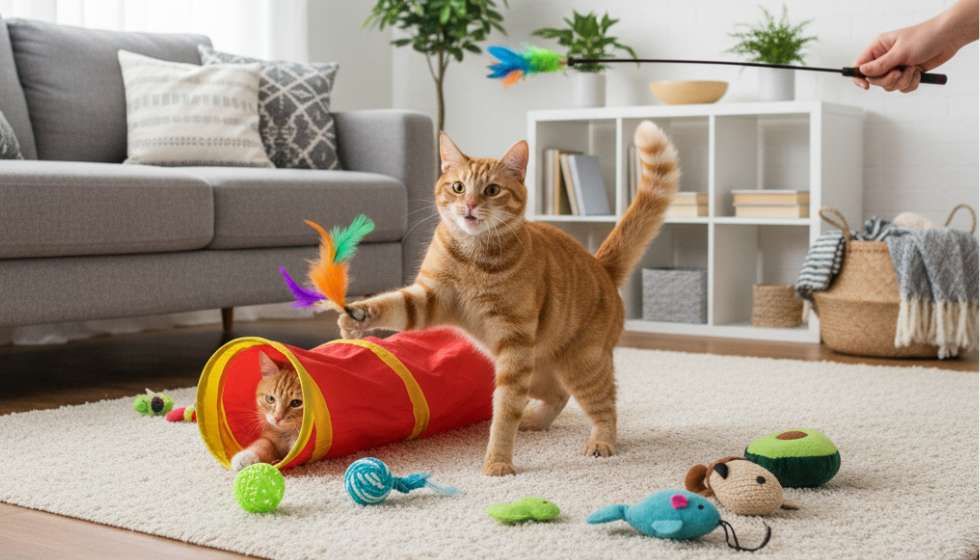
Use: Feather wand, bird teaser, or mouse-on-string
Play Time: 10–15 minutes
Tip: Move the toy like prey—slow crawl → sudden sprint → hide → pounce
✔ Builds confidence
✔ Burns energy
✔ Strengthens human–cat bond
Tuesday — Puzzle & Problem-Solving Day
Use: Treat-dispensing puzzle toys or snuffle mats
Enrichment Idea:
- Hide kibble in multiple rooms
- Use adjustable-difficulty puzzle feeders
✔ Slows down eating
✔ Reduces anxiety
✔ Engages natural foraging instincts
Wednesday — Catnip & Sensory Play
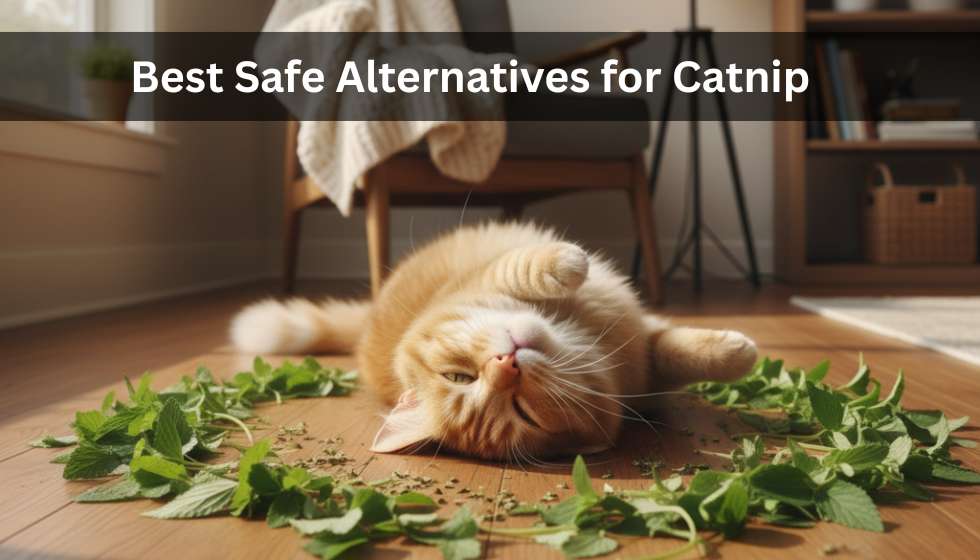
Use: Catnip kickers, silvervine sticks, crinkle toys
Tip: Rotate catnip toys every 2–3 weeks to prevent desensitization
✔ Great for solo play
✔ Encourages rolling, kicking, chewing
⚠ About 30% of cats don’t respond to catnip—try silvervine or valerian root instead.
Thursday — Hide, Seek & Explore
Use: Cardboard boxes, tunnels, paper bags (handles removed)
Setup Ideas:
- Build a “cat maze”
- Hide toys or treats inside boxes
✔ Boosts confidence
✔ Encourages exploration
✔ Perfect for shy or anxious cats
Friday — Training & Brain Games
Use: Clicker + high-value treats
Teach:
- Sit
- Target stick touch
- High-five
- Enter carrier calmly
✔ Mental exhaustion = calm cat
✔ Strengthens communication
✔ Helps with vet visits
Saturday — High-Energy Chase Day
Use: Laser pointer or automated motion toy
Important Rule:
Always end with a physical toy or treat so your cat “catches” something.
✔ Prevents frustration
✔ Satisfies prey drive
Sunday — Calm Observation & Relaxation
Use: Window perch, cat TV, bird feeder view
Enrichment:
- Nature videos
- Open windows (with screens) for fresh air
✔ Reduces stress
✔ Ideal for senior or low-energy cats
Toy Recommendations
Budget-Friendly & Effective
- Crinkle balls
- Catnip mice multipacks
- Collapsible tunnels
- Basic feather wands
Premium & Smart Toys
- Interactive laser towers
- Motion-sensor toys
- Adjustable puzzle boxes
- App-controlled robotic toys
Pro Tip: Expensive toys don’t replace interactive play—use both together.
DIY Enrichment Ideas (Safe & Free)
- Toilet paper rolls with hidden kibble
- Old socks filled with catnip (double-knotted)
- Egg cartons as treat puzzles
- Cardboard boxes with peek holes
⚠ Always supervise DIY toys and remove damaged items.
How to Keep Your Cat Engaged Long-Term
- Rotate toys weekly (store unused toys out of sight)
- Change play locations to create novelty
- Match play style to personality (hunter, kicker, observer)
- Schedule play before meals to mimic hunt–eat–rest cycle
- Add vertical space (cat trees, shelves, window perches)
Indoor cats especially need daily structured play—not just toys lying around.
Final Thoughts
You don’t need to constantly buy new toys. What cats crave most is variety, interaction, and purpose. With a thoughtful toy rotation plan, mental challenges, and quality playtime, your cat will stay:
- Happier
- Healthier
- Less destructive
- Emotionally balanced
A few minutes of intentional play each day can add years to your cat’s quality of life.
FAQs
Because cats crave novelty. Static or overused toys lose their appeal quickly.
Ideally every 3–4 days. Store unused toys and reintroduce them later for renewed excitement.
Absolutely! They engage your cat’s brain and mimic natural hunting behavior.
Crinkle balls, catnip mice, kicker toys, and motion-activated toys work great when you’re busy.

Luxifa Le is a freelance writer and animal science communicator with over six years of professional pet care experience. Passionate about making complex pet health and behavior topics easy to understand, she blends scientific accuracy with compassionate guidance to help pet owners make smarter, more confident decisions. When she isn’t writing, Luxifa is actively involved in the pet care community, advocating for responsible ownership and continued education.