If you’ve ever lived with a female cat during mating season, you already know the sound.
That midnight opera.
Those dramatic dance-moves on the carpet.
The rolling, purring, howling, door-scratching, attention-demanding whirlwind that leaves you wondering:
“Is she possessed — or just in heat?”
Relax. You’re not alone. A cat in heat (estrus cycle) is a hormonal roller-coaster — completely natural, but often stressful for both pet and owner. Understanding what’s happening inside her body, how long it will last, and what you can do to make things easier can transform the experience from chaotic to manageable.
This updated guide covers everything — symptoms, timeline, behavioral changes, vet-recommended management, myths, calming methods, home adjustments, and the only permanent solution: spaying.
What Does “Heat” Actually Mean in Cats?
A cat goes into heat when her body is biologically ready to mate and reproduce. Estrus isn’t a one-time thing — it is recurring, frequent, and influenced by light and hormones.
Key points to know:
| Aspect | Explanation |
|---|---|
| Onset of first heat | Usually 4–10 months old |
| Heat duration | ~4–10 days on average |
| Repetition | Every 2–3 weeks if not pregnant |
| Year-round cycles? | Yes — especially for indoor cats exposed to artificial light |
Unlike dogs, cats don’t bleed noticeably during heat — so behavior is usually the giveaway.
Clear Signs Your Cat Is in Heat
Not every cat shows all symptoms, but these are the most common:
✔ Loud, persistent yowling or crying
✔ Restlessness — pacing, no sleep routine
✔ Rolling, rubbing, demanding intense affection
✔ Raising hindquarters & “treading” back legs (mating posture)
✔ Spraying/marking more than usual
✔ Attempts to run out of the house
✔ Excessive grooming
She isn’t misbehaving — her hormones are. The mating instinct is powerful, and she’s simply responding to biology.
Symptoms vs Solutions
| Heat Symptom | What You Can Do | Why It Helps |
|---|---|---|
| Loud yowling & calling | Play soft music, offer gentle attention | Calms nervous system, reduces vocal anxiety |
| Restlessness & pacing | Interactive toys, scheduled play sessions | Burns energy, redirects hunting drive |
| Rolling & rubbing | Gentle brushing + affection sessions | Releases feel-good hormones (endorphins) |
| Trying to escape outside | Lock windows/doors, block exits | Prevents unwanted mating + keeps cat safe |
| Marking territory / spraying | Clean litter box daily, enzyme cleaners | Reduces scent drives & territorial stress |
| Excessive grooming | Provide a calm space & distraction play | Lowers heat-triggered anxiety behaviors |
| Demanding attention or suddenly avoiding you | Let her choose contact, don’t force handling | Hormonal mood swings vary — respect boundaries |
Why Is Heat So Intense for Cats?
Because cats are induced ovulators, meaning:
They ovulate only if they mate.
If she doesn’t mate, her body keeps resetting — another heat cycle comes within weeks. Some cats cycle repeatedly for months, especially in warm climates or homes with long daylight lighting.
The result?
Owners often feel like their cat is always in heat. And honestly — sometimes they are.
How to Calm a Cat in Heat (Proven & Helpful Methods)
The goal isn’t to stop the heat — only spaying can do that permanently — but you can reduce anxiety, vocalization, and stress.
1. Give Her a Safe, Quiet Retreat
During estrus, cats are both energized and overstimulated. A quiet den helps her reset.
Try creating:
- A cozy blanket-lined box or bed
- A top-shelf or high perch
- A warm, low-light hideaway
- Access to a quiet room away from noise
Don’t take it personally if she hides — isolation can be soothing.
2. Increase Bonding, Brushing & Gentle Petting
For many cats, touch releases calming hormones.
You can try:
- Slow brushing
- Chin and cheek rubbing
- Sitting near her without forcing interaction
If she seems irritated, back away — respect goes a long way. Think of it like comforting a hormonal teenager: gentle, patient, no pressure.
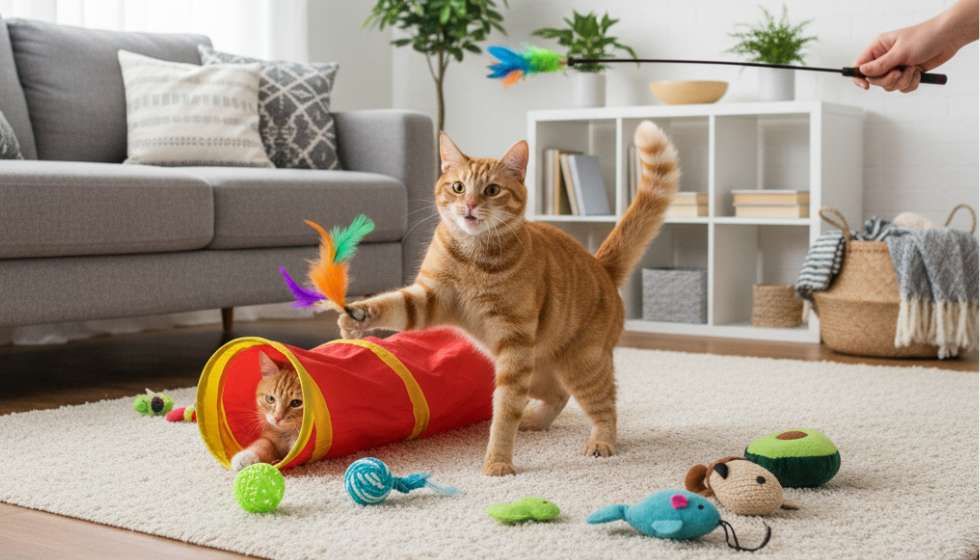
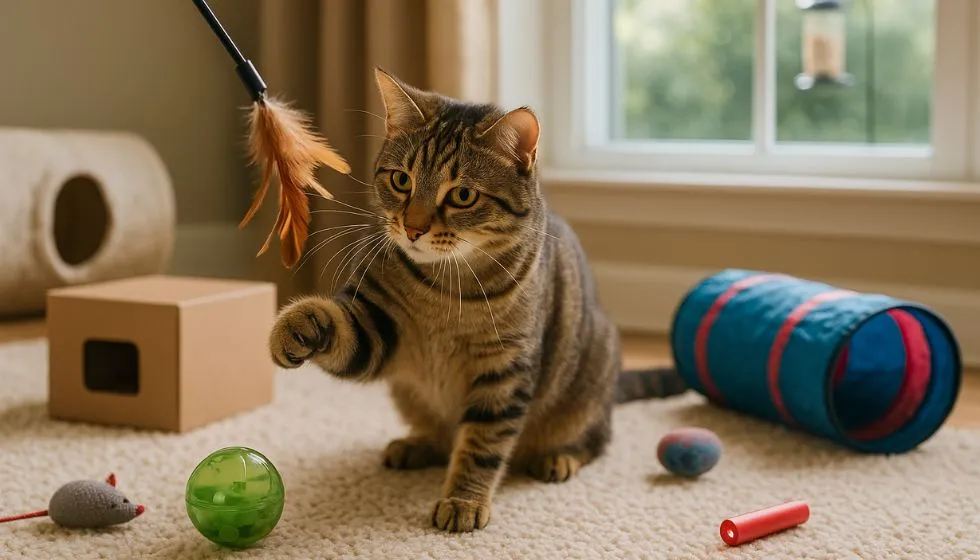
3. Play — A LOT!
The heat cycle stimulates hunting instinct, too. Interactive toys can redirect her focus away from mating urges.
Great options:
- Wand toys
- Feather teasers
- Motorized small-prey toys
- Freeze-treat toys for cooling play
Ten-minute play sessions several times a day work wonders for stress relief.
4. Keep Her Indoors & Escape-Proof
A cat in heat becomes:
an escape artist.
Door cracks, open windows, loose screens — she will find them, and male cats will find her. One unplanned minute outdoors = pregnancy.
Secure or block:
- Balcony grills
- Doors & window gaps
- Pet flaps
- Vent exits
If stray tomcats gather outside your house — congratulations, your queen is broadcasting loud and clear.
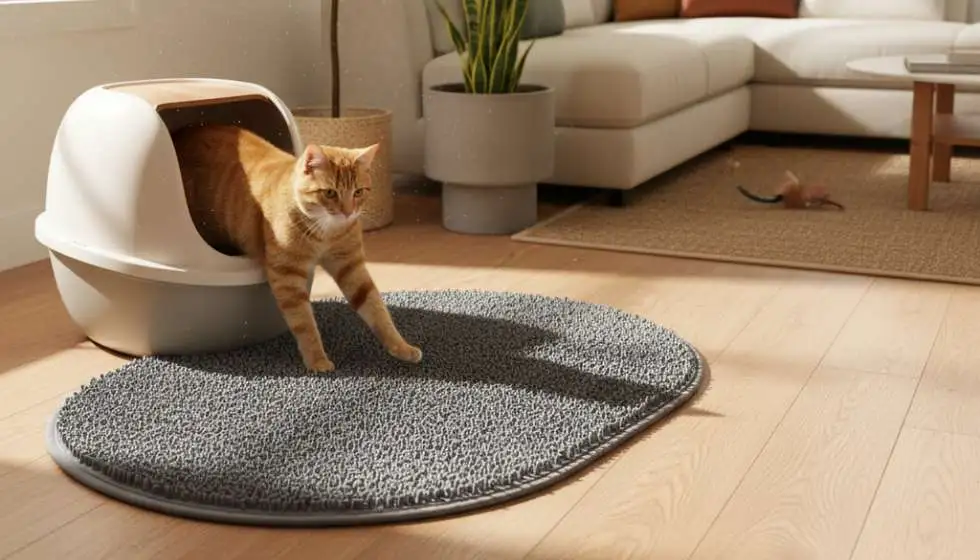
5. Litter Box Hygiene Matters More Than Ever
Territorial marking increases during heat. A sparkling-clean box reduces the urge to spray elsewhere.
Tips:
✔ Scoop daily
✔ Avoid ammonia-based cleaners (they smell like urine)
✔ Use mild unscented cleaners
✔ Consider adding an extra litter tray
If she already sprayed furniture, enzyme-based cleaners help break scent markers instead of masking them.
6. Music Therapy — Yes, Really
Soft ambient music has calming effects on some cats. Try:
- Classical piano
- Soft jazz
- Cat-specific soothing playlists (available on YouTube & Spotify)
Even if it doesn’t calm her fully, it can muffle the 2AM mating cries.
Worth a shot. Your neighbors may thank you.
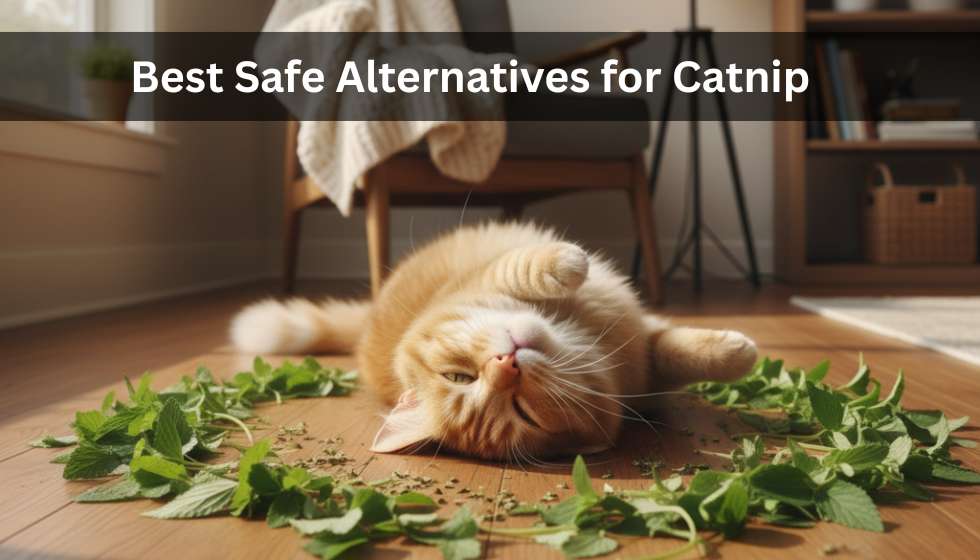
7. Herbal Remedies — Use Only Sparingly
Some owners try natural calming aids like:
- Catnip
- Valerian
- Chamomile sprays
- Rescue Remedy drops
They don’t work for all cats — and results are mild, not guaranteed. Use only occasionally and avoid daily reliance without veterinary approval.
The Only Permanent Solution: Spaying
All temporary methods help — but none stop heat from happening again.
If you’re not planning to breed:
spaying is the most responsible, stress-free, and healthy long-term choice.
Benefits of spaying:
✔ No heat cycles
✔ No accidental pregnancies
✔ Reduced spraying behavior
✔ Longer lifespan statistically
✔ Reduced risk of ovarian + uterine cancer
✔ Eliminates risk of deadly pyometra (uterine infection)
Can cats be spayed during heat?
Yes — though some vets prefer waiting until the cycle ends due to increased blood flow to reproductive organs. Many clinics still perform it safely, but discuss timing with your vet.
Most Important Part — Be Patient
A cat in heat isn’t naughty, dramatic, or attention-seeking on purpose.
She is biologically overwhelmed.
Caring approach helps more than anything:
- Respond gently
- Give space when needed
- Provide affection when welcomed
- Maintain routine & comfort
She’ll get through it — and you will too.
FAQs
Not painful — more like extremely restless and hormonally charged. She may seem irritated or uncomfortable, but not physically hurting.
Usually around 4–10 days. If she doesn’t mate, it often returns every two to three weeks until she becomes pregnant or is spayed.
You can, but only if necessary. Many cats dislike baths, which could increase stress. Grooming or damp-cloth cleaning is often enough.
It stops — then returns. A full cycle pauses briefly, then repeats throughout breeding season or year-round for some indoor cats.
Only through spaying. No herb, supplement, or calming technique can prevent future heat cycles.

Christina Donnelly is a writer, editor, and animal welfare advocate who loves to spread cheer in the form of cute animal photos and interesting animal facts.
Christina has worked in digital media for over a decade. Her current 9-to-5 is with Anthem Health, where she works as a content lead.
Title: Writer
Education: Marist College
Location: Brooklyn, New York
Expertise: Cats