Cats can gain weight—but they can also lose it. While a little fluctuation is normal, noticeable weight loss or a very thin body can signal a problem. Understanding how to tell if your cat is underweight helps you act early and protect their long-term health.
This guide explains the physical signs of an underweight cat, common causes of weight loss, and practical steps you should take if you’re concerned.
Is My Cat Too Skinny?
Most pet owners first notice weight issues during routine vet visits, where your cat is weighed and body condition is assessed. However, weighing your cat at home isn’t always reliable.
Cats naturally vary in size, frame, and breed, so the number on the scale doesn’t tell the full story. Instead, vets use a body condition check, which focuses on how your cat looks and feels rather than their exact weight.
If your cat seems thinner than usual or has lost weight suddenly, checking their body condition is a good place to start.
Signs Your Cat May Be Underweight
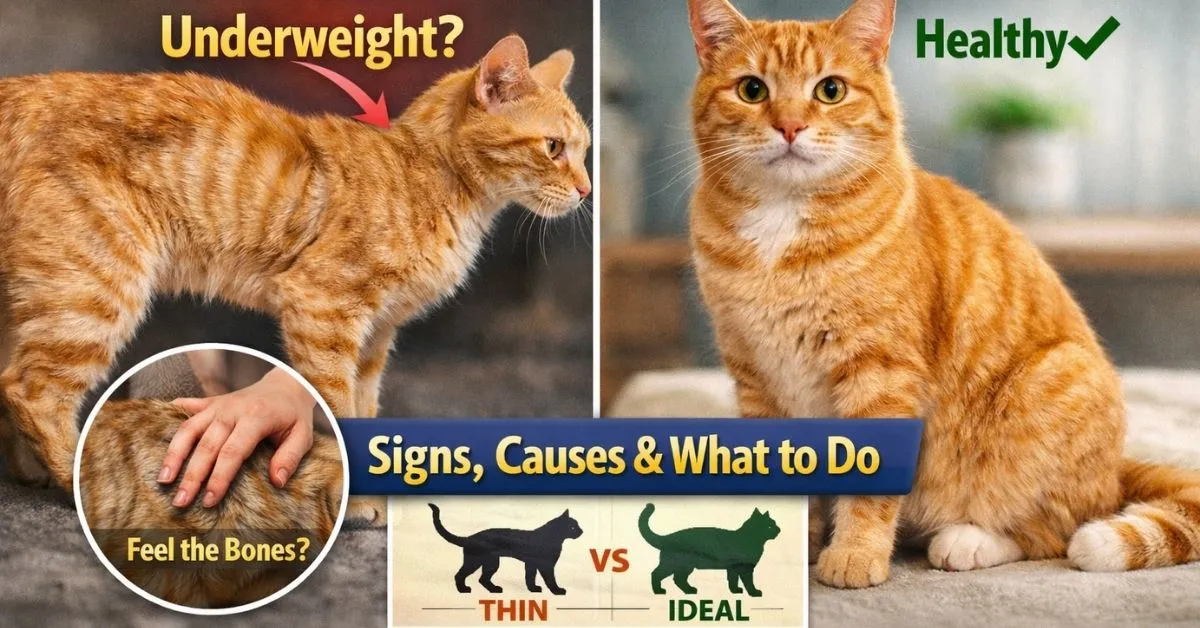
A cat that is too thin often shows visible and easily felt bones, with little to no fat coverage. You may notice the following signs:
Ribs that are easy to see and feel
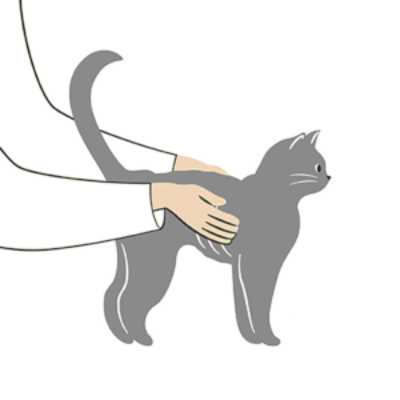
A noticeably tucked-in abdomen behind the ribcage
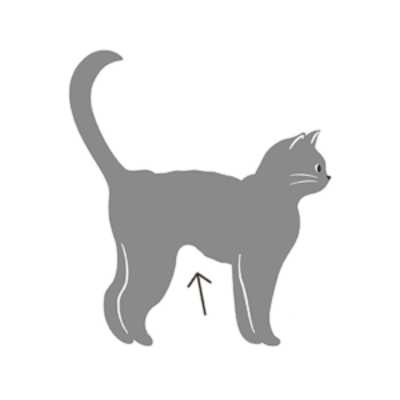
Hip bones and lower back bones that protrude

A spine that is clearly visible or easy to feel
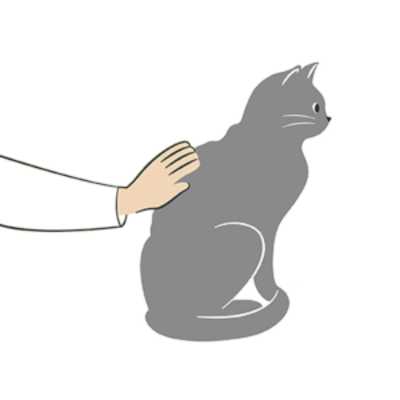
Minimal muscle mass, especially along the back and hind legs

Healthy cats should have a light layer of fat cushioning their bones—not sharp or prominent outlines.
What a Healthy Weight Cat Looks Like
If your cat is at a healthy weight, you should be able to:
- Feel the ribs without seeing them
- Feel the spine, but not clearly see it
- Notice a gentle waistline when looking down from above
- See smooth body contours rather than angular shapes
If your cat doesn’t meet these markers, it may be time to seek professional advice.
Monitoring your cat’s body condition regularly is just as important as using a healthy cat weight chart to ensure they are in optimal shape.
What to Do If Your Cat Is Underweight
If you think your cat is underweight, the first and most important step is to book a vet appointment. Your vet can:
- Assess your cat’s body condition accurately
- Rule out medical causes of weight loss
- Check for appetite changes or pain
- Recommend appropriate treatment or dietary changes
Unexplained weight loss should never be ignored, especially if it happens quickly or alongside changes in behavior or eating habits.
Common Causes of Weight Loss in Cats
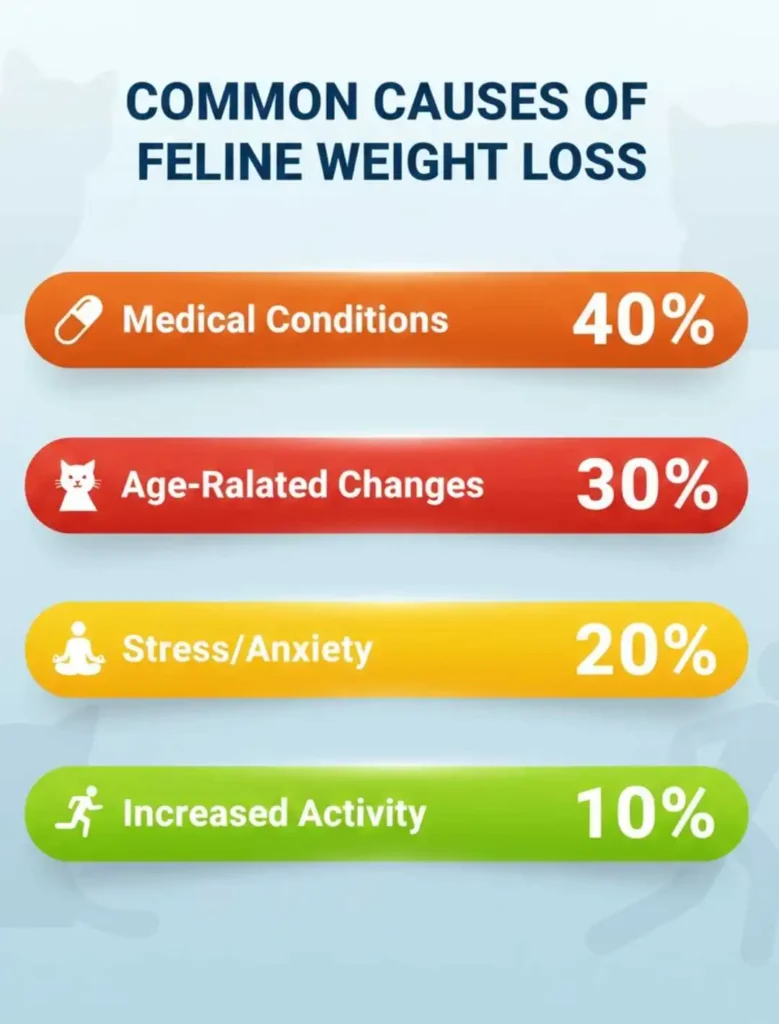
Cats can lose weight for many reasons—some harmless, others serious. Common causes include:
1. Age-Related Changes
Senior cats are more likely to develop conditions that affect muscle mass, digestion, and appetite. Older cats should ideally see a vet twice a year.
2. Medical Conditions
Weight loss can be linked to health issues such as:
- Dental disease
- Digestive disorders
- Arthritis
- Hyperthyroidism
- Kidney disease
- Parasites
Regular vet checkups, vaccinations, and parasite prevention help catch problems early.
3. Stress or Anxiety
Changes in environment, routine, or household members can reduce a cat’s appetite and lead to gradual weight loss.
Stress can affect your cat’s appetite, so knowing how to comfort a cat in heat can help reduce weight loss caused by anxiety.
4. Increased Activity
Outdoor cats may burn more calories during warmer months due to increased roaming and exercise, resulting in mild weight loss.
How to Encourage an Underweight Cat to Eat More
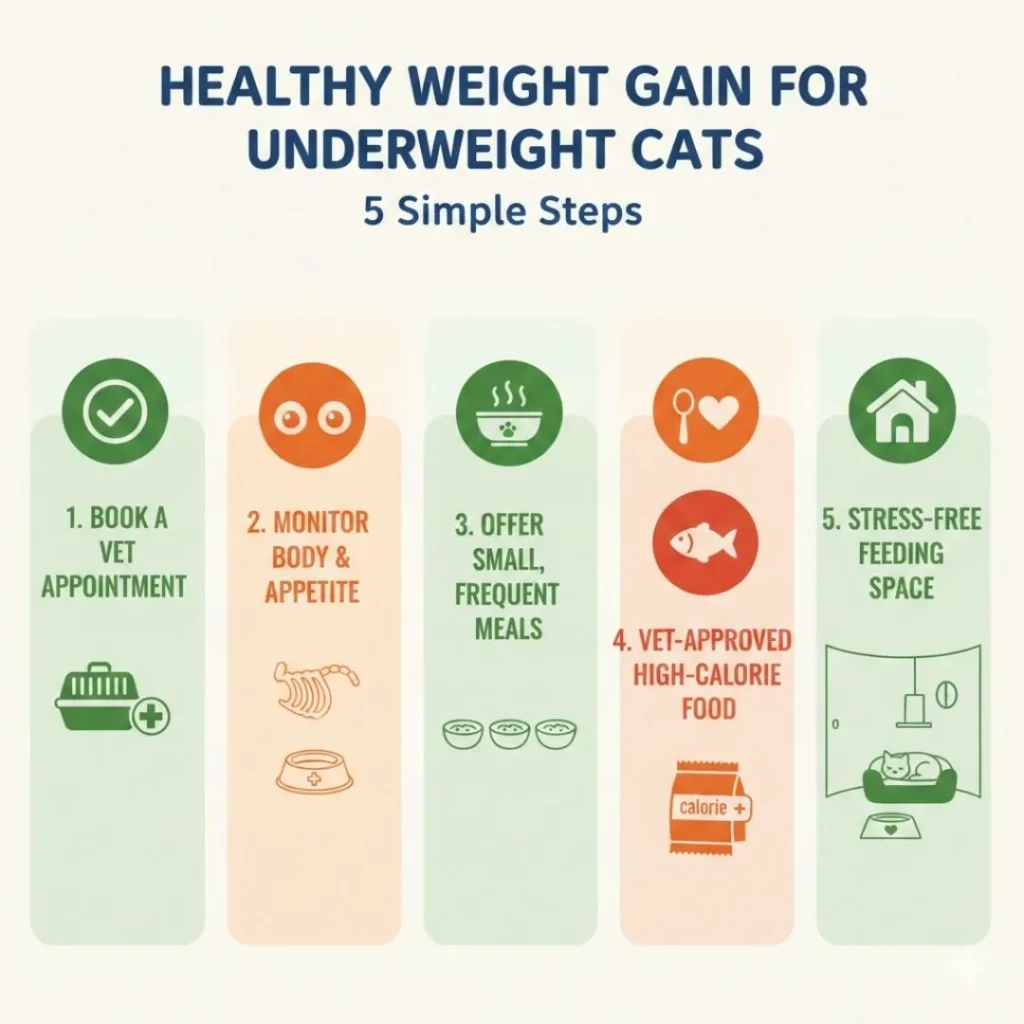
If your vet confirms your cat needs to gain weight, they may recommend increasing calorie intake safely. Never make major diet changes without professional guidance, especially if your cat has health issues.
Helpful strategies include:
- Place food bowls away from litter trays, beds, and busy doorways
- Offer food suitable for your cat’s age, health, and preferences
- Try small, frequent meals for grazing cats
- Use feeding toys to stimulate natural hunting behavior
- Wash bowls daily with unscented soap to avoid food odors
- Switch to wide, shallow bowls, as many cats dislike narrow or plastic ones
- Gradually introduce a new food if advised by your vet
- Mix a small amount of plain cooked chicken into meals (vet-approved)
- Add a little tuna water (not brine) for aroma—only with vet approval
Consistency, patience, and monitoring are key when helping a cat regain weight.
When to Seek Veterinary Help Immediately
Contact your vet promptly if your cat:
- Loses weight rapidly
- Stops eating for more than 24 hours
- Shows lethargy, vomiting, or behavior changes
- Is a senior cat with noticeable muscle loss
Early diagnosis can make treatment simpler and more effective.
Final Thoughts
Knowing how to tell if a cat is underweight allows you to respond before serious health issues develop. By monitoring body condition, watching for appetite changes, and working closely with your vet, you can help your cat maintain a healthy weight and a better quality of life.
FAQs
A cat is underweight if its ribs, spine, or hip bones are clearly visible or easily felt with little fat coverage, even if the cat is naturally small.
Yes, you should be able to feel a healthy cat’s ribs, but they should not be visible and should have a thin layer of fat covering them.
Mild weight loss can occur with age, but noticeable or rapid weight loss in senior cats is not normal and should be checked by a veterinarian.
Dental disease, kidney problems, hyperthyroidism, digestive issues, arthritis, and parasites are common medical causes of weight loss in cats.
If a cat refuses food for more than 24 hours, it can become dangerous, especially for kittens and senior cats, and veterinary advice should be sought.
Yes, stress can reduce appetite and lead to gradual weight loss, particularly in cats that are sensitive to changes in routine or environment.
Start with a veterinary checkup, then offer small frequent meals, use vet-approved high-calorie foods, and ensure your cat eats in a calm, stress-free space.
Food changes should only be made gradually and ideally under veterinary guidance, as sudden changes can cause digestive upset or worsen health conditions.
Sudden or unexplained weight loss, especially with lethargy, vomiting, or appetite loss, should always be evaluated by a vet as soon as possible.

Claudia Guthrie is a writer and animal enthusiast with experience working for a leading equine veterinary hospital and learning more about canine development and obedience. She has personal experience with dogs, cats, rabbits, gerbils, and horses, and a lifelong interest in researching and writing about the latest in animal care, training, and breed profiles.