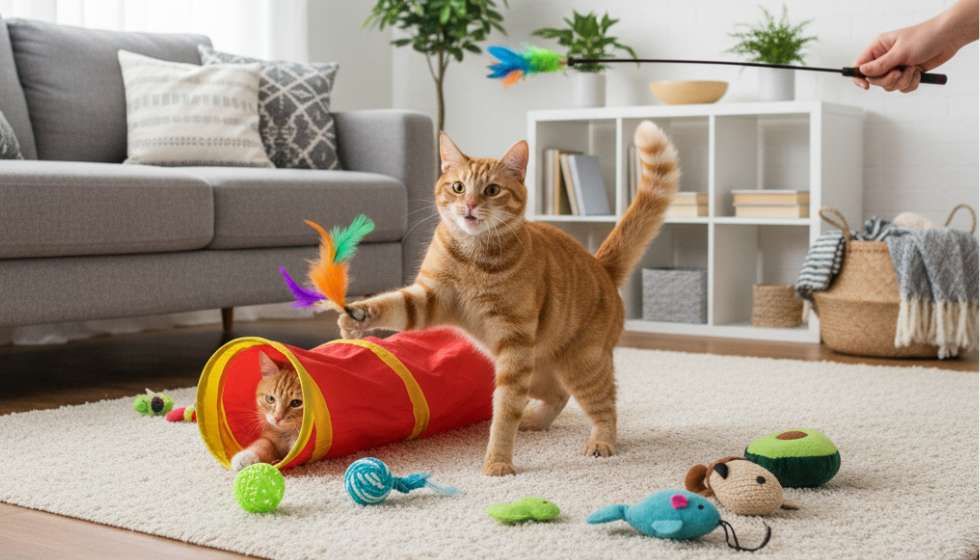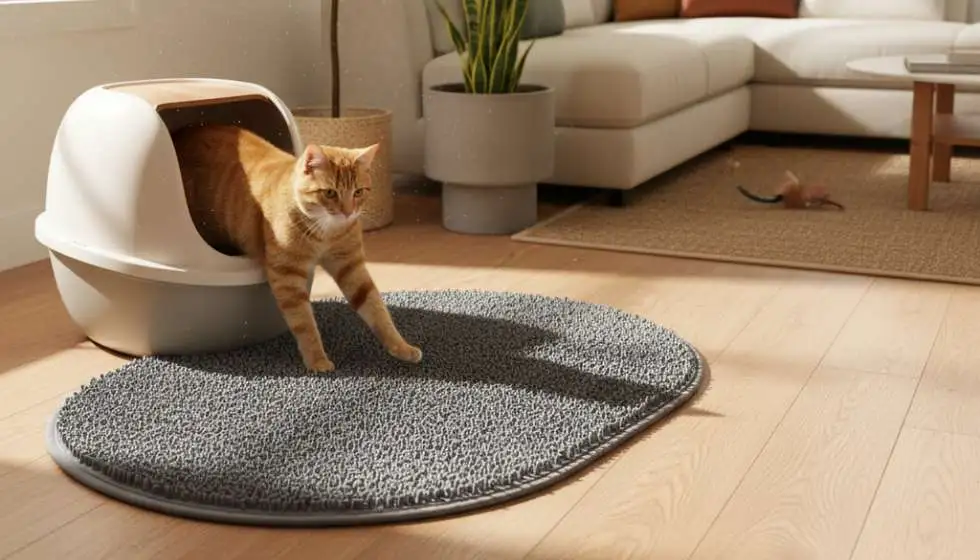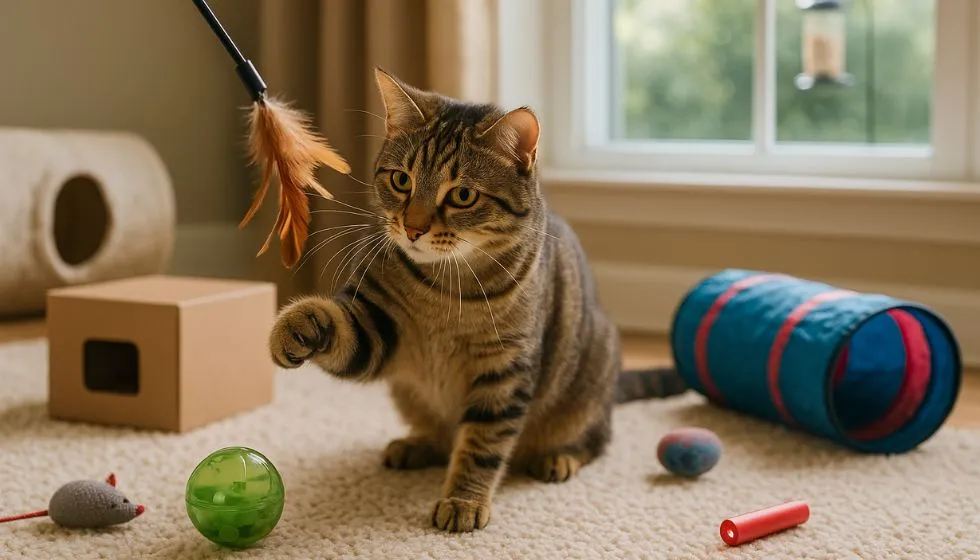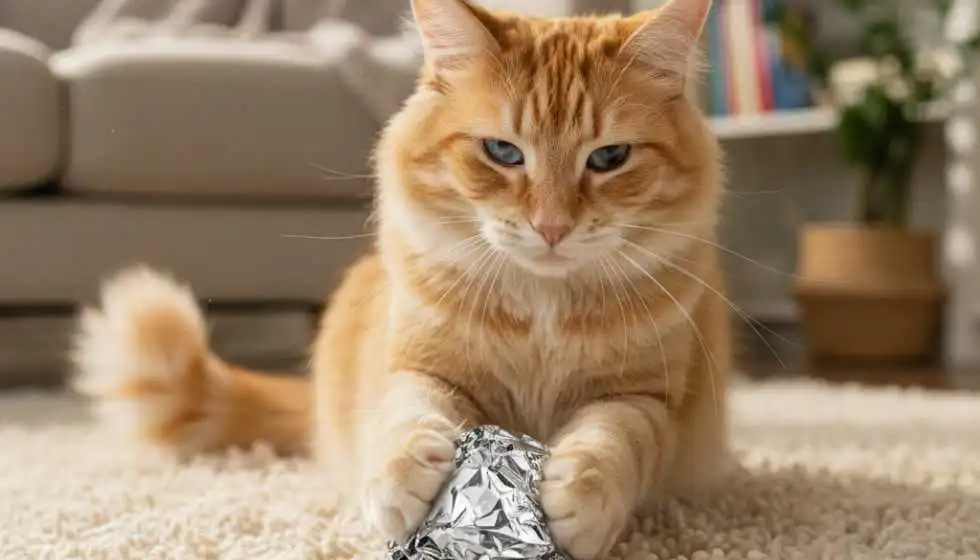
With the correct enrichment, blind cats can lead contented, energetic, and self-assured lives. They are highly sensitive to touch, smell, hearing, and whiskers, but they depend less on sight. Selecting these types of sensory toys for blind cats promotes independent play, safe exploration, and mental stimulation.
Expert-approved toy types, safety advice, and how to create a play area that is encouraging for visually impaired cats are all covered in this guide.
Why Sensory Toys Matter for Blind Cats
Blind cats navigate the world using non-visual cues, making sensory toys essential rather than optional.
Benefits of Sensory Toys for Blind Cats
- Improve spatial awareness and confidence
- Reduce anxiety and boredom
- Encourage safe physical activity
- Strengthen cognitive skills
- Prevent depression and inactivity
Sensory-focused play keeps blind cats mentally engaged and physically active without relying on sight.
Best Sensory Toys for Blind Cats (Expert Picks)
1. Sound-Activated Toys for Blind Cats
Sound cues help blind cats locate toys easily and stay engaged.
Best options include:
- Crinkle balls
- Bell-filled plush toys
- Chirping or motion-activated toys
Choose toys with soft, consistent sounds rather than sudden loud noises.
2. Scent-Based Toys (Catnip & Silvervine)
Smell is a powerful guide for blind cats and makes toys easier to track.
Top scent toy choices:
- Catnip-infused plush toys
- Silvervine chew sticks
- Refillable catnip toys
Using scent-driven enrichment is one of the easiest ways to engage a blind cat, which is why following proven catnip toy recommendations can make playtime more rewarding. Catnip and silvervine toys stimulate natural hunting instincts and help blind cats locate toys using smell alone. Refillable or organic catnip toys are ideal for maintaining long-term interest and relaxation.
These toys are excellent for relaxation and gentle play sessions.
3. Textured Toys for Tactile Stimulation
Texture helps blind cats understand object shape and movement.
Recommended textures include:
- Soft fleece
- Ribbed rubber
- Rope or woven fabric
Textured toys provide reassurance and sensory feedback during play.
4. Interactive Toys That Encourage Exploration
Interactive toys build confidence while stimulating curiosity.
Safe interactive toy ideas:
- Puzzle feeders with sound cues
- Treat-dispensing toys
- Motion toys with audible feedback
Avoid toys that roll too fast or unpredictably.
Providing the right interactive toys for cats is especially important for blind cats, as these toys encourage exploration through sound, movement, and touch rather than sight. Toys that chirp, dispense treats, or respond to gentle pawing help visually impaired cats build confidence while staying mentally and physically active. Interactive play also strengthens the bond between pet and owner while preventing boredom-related behaviors.
5. Safe Chew & Comfort Toys
Blind cats often self-soothe using gentle chewing or pawing.
Best comfort toy options:
- Soft plush toys
- Catnip chew toys
- Lightly weighted toys for stability
These toys offer emotional comfort and stress relief.
How to Choose Safe Toys for Blind Cats
Key Safety Tips
- Avoid sharp edges or detachable parts
- Choose medium-sized toys (not too small)
- Opt for non-toxic materials
- Stick to predictable toy movement
- Supervise new toys initially
Consistency and safety are crucial for visually impaired cats.
How Often Should Blind Cats Play?
Short, frequent play sessions work best.
Ideal play routine:
- 10–15 minutes, 2–3 times daily
- Use familiar play areas
- Introduce new toys gradually
Routine builds confidence and reduces stress.
Creating a Sensory-Friendly Play Environment
Enhance your blind cat’s playtime by setting up a stable environment:
- Keep furniture placement consistent
- Use soft rugs or mats for sound cues
- Play in quiet, familiar rooms
- Pair toys with verbal encouragement
A calm environment helps blind cats feel secure during play.
FAQs
Absolutely! They use sound, scent, and touch instead of sight. With the right toys, they play just as actively.
No. Since they can’t see, laser toys are useless and confusing. Stick to sound or scent-based toys.
Listen to her purrs, playful meows, and movements. If she interacts or responds, she’s having fun.
Yes, if the environment is safe — no sharp edges, stairs, or clutter. Always supervise new toys first.
Not really — just love, patience, and small adjustments. Their hearts and spirits are as bright as any cat’s eyes.

Christina Donnelly is a writer, editor, and animal welfare advocate who loves to spread cheer in the form of cute animal photos and interesting animal facts.
Christina has worked in digital media for over a decade. Her current 9-to-5 is with Anthem Health, where she works as a content lead.
Title: Writer
Education: Marist College
Location: Brooklyn, New York
Expertise: Cats