Yesterday, My Cat Loved Me… Today It Acts Like I Don’t Exist

There had not been any slow change in behavior.
First, my cat would be happily sitting on my lap purring like there was nothing else better in the world than just spending time cuddling with me. But within the next few minutes… things changed rapidly!
My cat was no longer following me around or trying to cuddle with me anytime I sat down, and he no longer became excited about my entering into his sight.
“Have I done anything wrong?” or, “Is my cat angry with me? Is he not interested in me anymore?” were some of the questions that crossed my mind.
Have you ever wondered the same thing? Have you experienced the same feeling of confusion about whether or not your cat still feels for you?
After much research and observation, I found out something surprising:
When your cat suddenly ignores you, it’s not rejection—it’s a signal.
And once you understand what it really means, you’ll stop feeling hurt… and start seeing your cat in a completely different way.
Why Your Cat Is Ignoring You?
Cats suddenly ignore their owners due to personality changes, independence phases, environmental shifts, stress, health issues, or simply because they want attention on their own terms.
Unlike dogs, cats don’t constantly seek interaction.
They connect differently. Quietly. Selectively. Emotionally.
It is quite natural for a cat to neglect its owner due to the fact that the owner does not have time for playing or interacting with the animal. Cats require regular communication in order not to get bored and remain engaged and loving to their owners. Having the right approach helps a lot, especially understanding how often you should play with your cat to maintain a strong bond.
The Truth Most Cat Owners Realize Too Late
One of the most repeated real-life insights from experienced cat owners is this:
“Cats don’t stop loving you—they just stop showing it the way you expect.”
Many people described the exact same pattern:
- Super cuddly kitten
- Suddenly distant adolescent
- Then affectionate again later in life
It’s not random.
It’s a phase.
1. Your Cat Might Be in Its “Teenage Phase”
This was by far the most common real-world explanation.
Many cat owners described their cats becoming distant around:
- 5–6 months
- Or around 1 year old
This stage is often compared to a human teenager.
One cat owner explained it perfectly:
“He’s essentially a teenager… my cuddliest cats went through phases where they became independent for years, then came back.”
Another shared:
“My cat went from sleeping on my chest to barely wanting pets… then later became affectionate again.”
What’s happening here?
- Your cat is developing independence
- Exploring its environment
- Forming its personality
It’s not rejection.
It’s growth.
2. Your Cat Is Learning Its Own Personality
Here’s something many new cat owners don’t expect:
Kittens are not the final version of your cat.
Multiple real experiences confirmed this:
- Some kittens are extremely cuddly early on
- Then grow into more independent adults
- Others do the opposite—becoming affectionate later in life
One owner shared:
“They’re just coming into their personalities and preferences.”
Another said:
“Some of my cats only became cuddly at age 6 or 7.”
So if your cat suddenly ignores you…
It may simply be becoming who it really is.
3. Cats Want Attention—But Only on Their Terms
This is one of the biggest mindset shifts.
A lot of cat owners admitted something important:
The more they tried to force affection… the more their cat pulled away.
One comment explained it in a powerful way:
“Imagine someone constantly grabbing you when you want space… eventually you’d avoid them too.”
That’s exactly how cats feel.
Another real insight:
“Sometimes less is more. When I stopped grabbing my cat, he came to me more.”
This aligns with feline behavior science .
According to the ASPCA, cats rely heavily on control and choice in interactions, and forcing contact can increase avoidance behavior.
You might also notice similar patterns if you’ve observed how cats show quiet affection—they prefer subtle, voluntary connection over forced attention.
4. You Might Be Overloving Your Cat (Yes, That’s a Thing)
This one hits hard.
Because it comes from a good place.
Many cat owners admitted:
- Picking up their cat too often
- Forcing cuddles
- Calling them repeatedly
And unintentionally pushing them away.
One person shared:
“I was overly clingy without realizing it might bother my cat.”
Another said:
“Stop grabbing him. Offer affection—don’t assume it.”
This small shift can completely change your relationship.
5. Heat and Weather Can Change Behavior
This is something surprisingly many people noticed.
When the weather gets warmer:
- Cats become less cuddly
- Sleep more
- Avoid body heat
They don’t seek it.
6. Your Cat Might Still Love You—Just Quietly
This is where most people misunderstand everything.
Even when your cat ignores you, it might still:
- Sit in the same room
- Sleep nearby
- Watch you from a distance
- Respond subtly to your presence
This is important.
Cats don’t fake attachment.
If they stay near you, they trust you.
7. Ignoring You Can Actually Mean They Feel Safe
This sounds strange—but it’s true.
Cats often become more independent when they feel secure.
In other words:
Your cat ignoring you might actually be a sign of trust.
8. Health Issues Can Also Cause Sudden Distance
Not all ignoring is harmless.
After treatment, the cat returned to normal.
That’s why you should always watch for:
- Appetite changes
- Lethargy
- Hiding constantly
According to the Cornell Feline Health Center, sudden behavioral changes are often one of the earliest indicators of illness in cats.
If something feels off—trust that instinct.
9. The “Ignore Them Back” Trick (And Why It Works)
This one came up again and again.
Many cat owners noticed:
When they stopped chasing attention… their cat came back.
Why does this work?
Because cats:
- Love control
- Prefer initiating interaction
- Get curious when attention disappears
It’s not manipulation.
It’s psychology.
10. Respecting Boundaries Builds Stronger Bonds
One of the most powerful long-term insights:
Respect creates trust.
A cat owner shared a story:
- Their cat hated being picked up as a kitten
- They stopped forcing it
- Slowly reintroduced short, gentle interactions
- Years later, the cat became comfortable being held
The key?
They listened to the cat’s signals.
How to Reconnect With Your Cat (Without Forcing It)
1. Give Them Space
Let them come to you.
2. Reduce Forced Interaction
Offer your hand. Don’t grab.
3. Use Short, Positive Moments
Quick pets. Gentle voice. No pressure.
4. Make Yourself Interesting Again
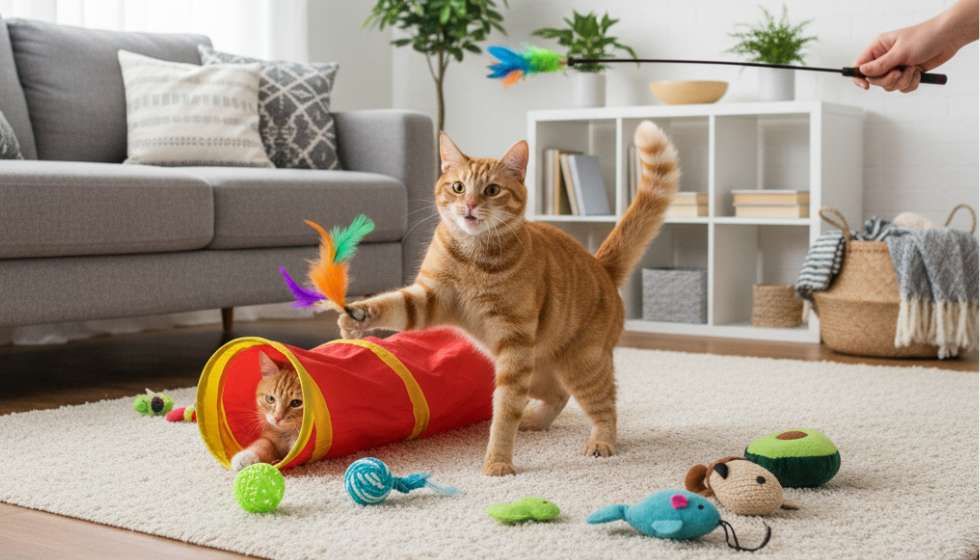
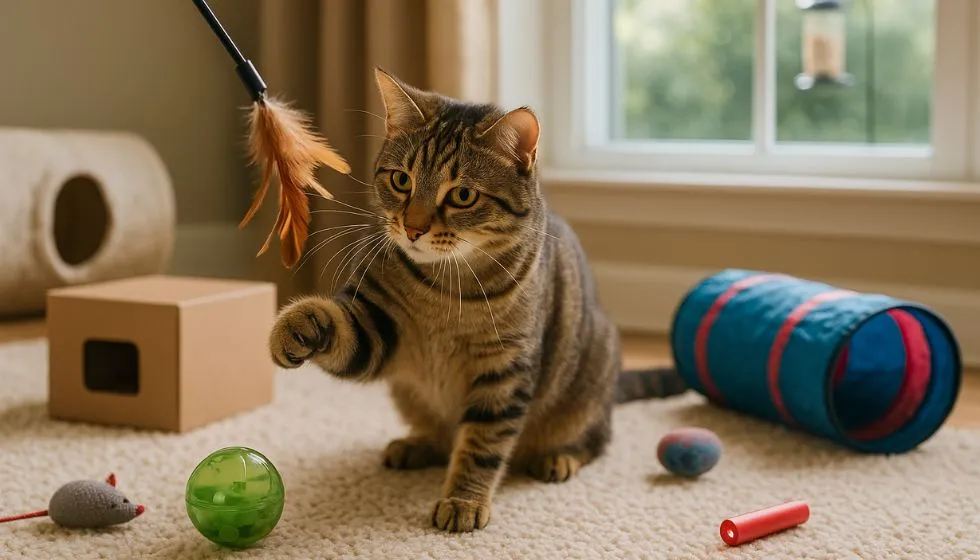
Play sessions work wonders—especially if you explore ways to engage indoor cats naturally.
5. Be Consistent
Cats trust patterns, not intensity.
When You Should Actually Worry
Pay attention if ignoring comes with:
- Not eating
- Extreme hiding
- Sudden aggression
- Low energy
That’s when it’s time to act.
Final Thoughts
It feels personal.
But it’s not.
Your cat isn’t ignoring you to hurt you.
It’s:
- Growing
- Adapting
- Communicating
- Being… a cat
And sometimes…
Loving you in a quieter way than before.
FAQs
Because it feels more comfortable being independent around you.
Many do—especially after the “teenage stage.”
Don’t stop—just change how you approach it.
Sometimes briefly—but most of the time, it’s not about anger.

Luxifa Le is a freelance writer and animal science communicator with over six years of professional pet care experience. Passionate about making complex pet health and behavior topics easy to understand, she blends scientific accuracy with compassionate guidance to help pet owners make smarter, more confident decisions. When she isn’t writing, Luxifa is actively involved in the pet care community, advocating for responsible ownership and continued education.