There is no doubt that it must be an odd sensation for you to have your cat lick you and feel like being rubbed with sandpaper, but from your cat’s point of view, there is possibly another meaning behind it. It might be a sign of trust, protection, or even ownership. Is it affection? Habit? Or something you should stop?
It turns out that cat tongue licking stems from instinct, emotions, and habit. Here, I explain the causes cat tongue licking and how we can interpret this particular cat behavior.
Why Does My Cat Lick My Nose? (9 Common Reasons)
Many cats display strange behaviors, and nose licking is among them. However, although it looks peculiar, most of the time, this behavior has a certain meaning or purpose behind it. Normally, it is your feline pet trying to send a message. Below is a list of typical explanations for this phenomenon.
1. A Learned Sign of Affection
The process of constant licking that mothers do to their kittens from the very first day starts as hygienic and ends up as an expression of care and bonding. Since this behavior is passed down from kittenhood, adult cats continue to demonstrate it in order to show how close they are to someone else.
2. Strengthening Social Bonds
Since multiple cats often live in one family, their constant grooming each other becomes a sign of strong ties and loyalty between pets. If your pet displays this same behavior towards you, then consider it as a form of bonding with you.
3. Attempting to Groom You
However, despite keeping oneself in perfect shape, you should know that your cat will still think otherwise. Grooming is an instinctive behavior in cats, and most are very fond of it that they engage their owners. If your cat wants to groom but there are no other cats around him for his grooming activities, he may engage in it with you, particularly in places where his body is exposed, like your face.
If you want to explore more about feline habits, health, and behavior patterns, visit our complete guide on cat health and behavior.
4. Attracted to Salt on Your Skin
Your body tends to release sweat due to various reasons. This releases salty residue from your skin, which goes unnoticed at first. However, being keenly sensitive about taste and scent, some cats get attracted to your skin because of it and thus engage themselves in licking the part, usually the nose, hands, and forehead.
5. A Gentle Expression of Love
It does not mean that all cats will exhibit affectionate signs in the most common form such as sitting on you or cuddling. Some do it in an unnoticeable way, and a light lick on your nose can mean a lot for your cat.
6. Marking You with Their Scent
Scent marking by the cat helps it orient itself within its surroundings. It is because of this that your cat will rub on household items including yourself, and possibly even lick you to make its scent mark on you. If your cat licks your nose, it could be trying to communicate with other cats through your scent that you belong to its social group.
7. A Calming and Soothing Action
Grooming cat isn’t only about staying clean. It’s an act that offers comfort. Since grooming takes up a great deal of time, your cat can try to offer you some of its comfort through this activity. Your cat can groom you during moments of relaxation.
8. A Way to Get Your Attention
Your cat pays close attention to its environment. Therefore, it learns very fast what acts will attract your attention. Since rubbing against your nose produces quick results, your cat will repeat it every time she wants you to notice her.
9. Including You in Their Family Circle
Cats don’t groom just anyone. This behavior is usually reserved for those they trust the most. By licking your nose, your cat is treating you as part of its close-knit group, similar to how it would interact with other cats it feels safe with.
What Some Cat Owners Say About Nose Licking?
Beyond expert explanations, everyday cat owners report surprisingly similar experiences when it comes to nose licking. These patterns help confirm that this behavior is both common—and meaningful.
“It’s Probably the Taste”
Many cat owners notice that their cats seem especially drawn to their nose and face after sweating.
Some believe it’s simply because of the slightly salty taste on human skin. Cats have a strong sense of taste and smell, and even small traces of salt can attract them. While this may sound simple, it’s one of the most commonly observed reasons behind face licking.
“They Think You’re One of Them”
A repeated observation among cat owners is that kittens who lick noses often treat humans like fellow cats.
Instead of seeing you as a completely different species, your cat may view you as part of its social group. Grooming—like licking your nose—is how cats interact with their own kind, so they extend that same behavior to you.
“They Don’t Always Grow Out of It”
Some people assume this is just a kitten phase—but real experiences suggest otherwise.
Many cats start this habit young and continue it into adulthood, especially if it becomes part of their bonding routine. In some cases, the behavior even becomes more specific, like only licking one particular person in the household.
“It Usually Happens at the Worst Time”
A common pattern? Cats love doing this when you’re asleep.
Several owners report being woken up early in the morning—often around 4–5 AM—by persistent nose licking. This lines up with natural feline behavior, as cats are most active during early morning hours.
“It Can Get… Intense”
While some people find it adorable, others mention that it can become uncomfortable.
- Repeated licking can leave the skin irritated
- Some cats don’t stop easily once they start
- Curious kittens may even get a bit too close (yes… including nostrils)
This shows that while the behavior is affectionate, it doesn’t always come with perfect boundaries.
“It’s Gross… But Kind of Sweet”
One of the most relatable themes is this mix of reactions:
- It feels weird
- It can be slightly uncomfortable
- But it also feels like a genuine sign of love
Many cat owners admit that even though they complain about it, they still see it as a form of affection they don’t want to completely discourage.
Why Cats Specifically Target Your Face
It’s not random—your face is actually the most appealing spot for several reasons.
1. Scent Marking & Maternal Instinct
Why does your cat aim for your face instead of your arm? It comes down to scent.
The Family Scent
Your face has a higher concentration of oil and sweat glands than most other areas. When your cat licks you, it isn’t just grooming—it’s blending its scent with yours. This creates a shared scent that quietly tells other animals you’re part of the same group. In simple terms, it’s a subtle but possessive gesture.
You Are the Kitten
Cats often treat their humans like oversized, slightly awkward kittens. If your cat licks your face first thing in the morning, it may be mimicking a wake-up grooming routine. Mother cats clean their kittens to get them moving, and your cat may be doing the same to you.
2. The Psychology: Anxiety & Weaning
If the licking feels excessive or happens while you’re asleep, there may be more going on.
Kitten Regression
Cats that were separated from their mother too early sometimes hold onto nursing habits. Your nose, chin, or even earlobes can become a replacement. The repetitive licking releases feel-good chemicals that help them settle down, almost like a built-in comfort tool.
Why Lick While You Sleep?
When you’re asleep, you’re still and calm. For a nervous cat, that creates a sense of safety. Your face becomes a quiet, secure spot where they can engage in soothing behavior without interruption.
3. Is It Safe? (Watch Your Skincare)
This part matters more than most people realize—many everyday products can harm your cat.
Potentially Harmful Ingredients
If you’ve applied any of the following, even a small lick can cause problems:
- Retinol (Vitamin A): Linked to liver issues
- Minoxidil (Rogaine): Highly toxic and can affect the heart
- Essential Oils: Tea tree, peppermint, and eucalyptus are unsafe for cats
- Acne Treatments: Benzoyl peroxide can upset the digestive system
Simple rule: If you’ve put skincare on your face, don’t let your cat lick it.
4. Bacterial Risks (The Mucous Membrane Rule)
A cat’s mouth naturally carries bacteria, including strains like Pasteurella. A quick lick on the cheek is usually harmless, but certain areas should always be off-limits.
Avoid contacting your cat lick:
- Your eyes
- Your mouth
- Open pimples or broken skin
These spots allow bacteria to enter the body more easily, increasing the risk of infection.
How to Stop Face Licking (Without Hurting Their Feelings)
The Chin Scratch Trade
When your cat moves in for a lick, redirect the moment by gently scratching under their chin. It keeps the bonding moment intact—just without the saliva.
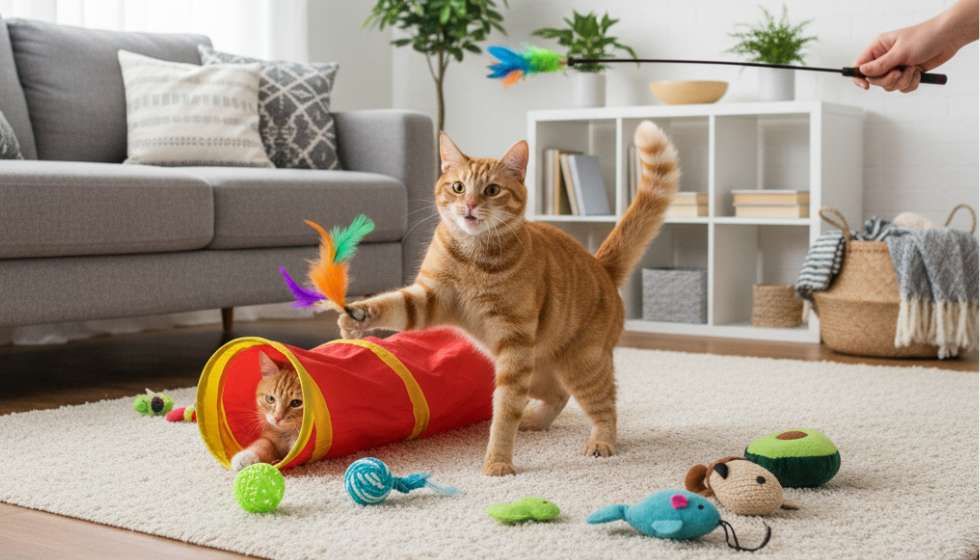
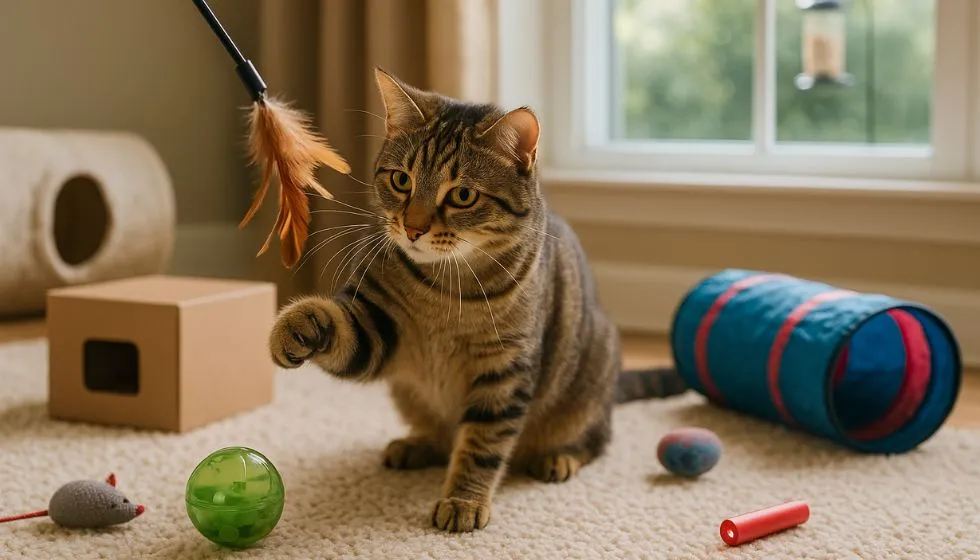
When you notice your cat moving in to lick your face, you can quickly use interactive cat toys to redirect this behavior before it starts.
The Barrier Method
If your cat wakes you up this way, pull the blanket over your face. Most cats don’t enjoy licking fabric, so they’ll usually give up quickly.
One of the most effective long-term solutions is introducing the best toys for indoor cats, especially for cats that spend most of their time inside.
A face lick might feel strange, but it usually comes from affection, habit, or comfort. Understanding the reason behind it helps you decide when to enjoy the moment—and when to gently draw the line.
FAQs
Cats often target the nose because it’s exposed, carries natural skin oils, and is easy to reach. It also produces a stronger scent, which makes it ideal for bonding and scent-marking behavior.
In most cases, occasional licking on healthy skin is harmless. However, it should be avoided if you’re wearing skincare products or if your cat tries to lick sensitive areas like your eyes, lips, or broken skin.
Cats are naturally more active during early morning hours. When you’re asleep, you’re still and calm, which makes it easier for your cat to approach and engage in grooming behavior.
Yes, licking is often a sign of affection. Cats groom those they trust, so this behavior usually means your cat feels comfortable and connected to you.
Persistent licking can be due to habit, attention-seeking, or soothing behavior. If your cat gets a reaction from you, it may repeat the action more often.
Yes, especially if you’re wearing products like retinol, essential oils, or acne treatments. Some ingredients can be harmful or toxic to cats even in small amounts.
Redirect your cat’s attention with toys or gentle petting before the licking starts. If it happens, calmly move them away and avoid reacting. Consistency is key to reducing the habit.

Claudia Guthrie is a writer and animal enthusiast with experience working for a leading equine veterinary hospital and learning more about canine development and obedience. She has personal experience with dogs, cats, rabbits, gerbils, and horses, and a lifelong interest in researching and writing about the latest in animal care, training, and breed profiles.