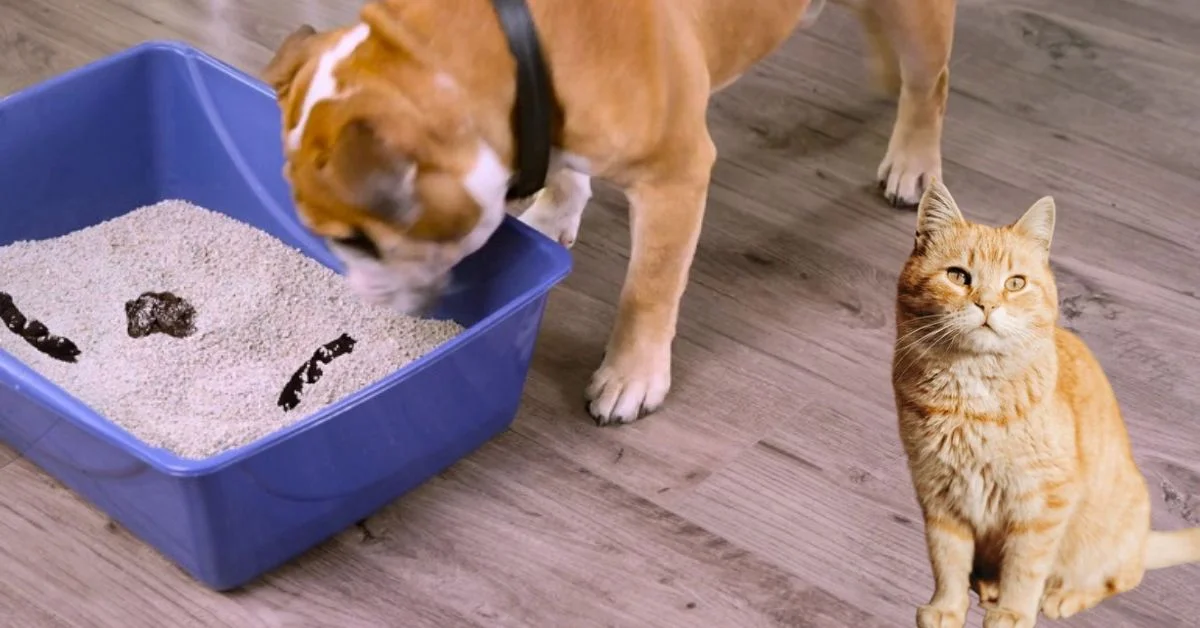
Dogs eating cat poop—also known as coprophagia—is a frustrating and unsanitary habit that many pet owners struggle with. While it’s common, it can expose dogs to parasites, bacteria, and digestive upset. The good news? There are safe and effective home remedies you can use to stop this behavior before it becomes a long-term habit.
This article covers why dogs eat cat poop, the risks, and modern, effective solutions you can use at home.
Why Dogs Eat Cat Poop
Before applying home remedies, it’s crucial to understand the cause behind the behavior. According to recent behavior studies, the most common triggers include:
1. Nutritional Gaps
Dogs may eat feces when lacking:
- Digestive enzymes
- Certain minerals
- Protein
Even on premium foods, some dogs can still struggle to absorb nutrients well.
2. High Protein Smell of Cat Poop
Cat food is high in protein.
This makes cat feces smell like a “treat” to dogs — an instinctive attraction.
3. Boredom or Stress
Dogs left unstimulated often engage in unusual behaviors, including feces eating.
4. Attention-Seeking
If the dog receives strong reactions, they may continue the behavior for attention.
5. Instinctual Clean-Up Behavior
Some dogs “clean” the environment just like wild canines clean dens.
6. Medical Conditions
Sometimes, dogs eat poop due to:
- Malabsorption
- Diabetes
- Thyroid disorders
- Parasites
If the habit is sudden, always check with a vet.
Home Remedies to Stop Dogs From Eating Cat Poop
1. Improve Diet & Digestion
✔ Feed High-Quality, Nutrient-Balanced Food
Choose a diet rich in:
- Animal-based proteins
- Omega fatty acids
- Essential vitamins
This reduces cravings for alternative sources.
✔ Add Digestive Enzymes
Helps dogs break down food more efficiently, reducing nutrient-seeking behavior.
✔ Probiotics
Improves gut health and reduces coprophagia linked to digestive imbalance.
✔ Pumpkin or Sweet Potato (Fiber Source)
A spoonful daily can improve stool consistency and reduce cravings.
2. Behavioral Training Techniques
✔ Teach the “Leave It” Command
This is one of the most effective long-term solutions.
Steps:
- Say “Leave it.”
- Offer a treat when the dog obeys.
- Practice near the litter box daily.
✔ Reward Good Behavior
Praise or treats when the dog ignores the litter box help reinforce new habits.
✔ Redirect When You Catch Them
Provide a chew toy, puzzle feeder, or a walk.
3. Litter Box Management (Most Effective Remedy)
✔ Move the Litter Box Out of Reach
Try:
- Baby-gated laundry rooms
- High shelves
- Litter box furniture
- Cat-only access rooms
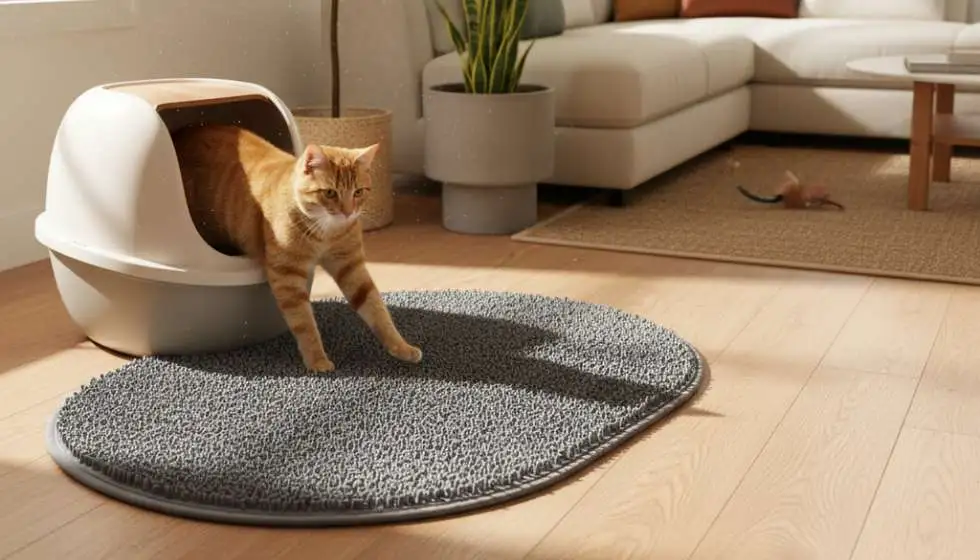
✔ Use a Top-Entry Litter Box
Dogs can’t reach inside, but cats can easily get in and out.
✔ Self-Cleaning Litter Boxes
These modern boxes remove feces immediately — eliminating temptation entirely.
4. Natural Home Deterrents
Safe and commonly used:
✔ Black Pepper or Paprika Around the Box
Dogs dislike the smell but cats aren’t affected.
✔ Citrus Peels
Most dogs avoid the scent of:
- Orange
- Lemon
- Grapefruit
✔ Bitter Spray
Use pet-safe spray around the litter box furniture or room entrance.
✔ Hot Sauce (Used Sparingly)
A few drops near the litter area can discourage dogs — never apply to the actual litter.
5. Environmental Enrichment
Dogs often eat cat poop due to boredom. Increase:
✔ Daily Exercise (At Least 30–60 Minutes)
Walks, fetch, or running helps reduce stress-driven behaviors.
✔ Puzzle Toys
Slow feeders, treat toys, and sniffing mats keep dogs busy.
✔ Chew Alternatives
Offer:
- Bully sticks
- Dental chews
- Hard rubber toys
6. Supervision and Monitoring
✔ Use Pet Cameras
Monitor behavior when you’re not home and catch patterns.
✔ Block Access
If you can’t watch constantly, block the room entirely.
7. Additional Tips
✔ Keep the Litter Box Clean
Scoop 2–3 times daily. Clean boxes reduce temptation dramatically.
✔ Regular Vet Checkups
Eliminates underlying medical causes.
✔ Deworm Frequently
Dogs who eat feces are at higher risk for parasites.
When to See a Veterinarian
Take your dog to the vet if:
- The behavior starts suddenly
- Your dog shows weight loss
- There are signs of nutritional deficiency
- Vomiting or diarrhea occurs
- The behavior becomes obsessive
Medical issues must be ruled out before assuming it’s behavioral.
Conclusion
Stopping your dog from eating cat poop requires a mix of:
- Diet improvements
- Training
- Environmental control
- Natural deterrents
- Regular monitoring
When done consistently, most dogs stop the behavior within a few weeks. With patience and the right home remedies, you can protect your dog’s health while keeping your home cleaner and more comfortable for both your cat and dog.
FAQs
Dogs may eat cat feces due to nutritional deficiencies, curiosity, boredom, attention-seeking, or instinct. Sometimes medical conditions like parasites or digestive issues are also factors.
Yes. Cat feces can carry bacteria, parasites, and viruses, causing digestive upset or infections in dogs.
Absolutely. Feeding high-quality protein-rich food, adding probiotics, and using digestive enzymes can reduce cravings for feces.
Place litter boxes out of reach, use top-entry or gated boxes, or opt for self-cleaning litter boxes to remove feces quickly.
Yes. Safe deterrents like black pepper, citrus peels, bitter sprays, or paprika around the litter box can discourage dogs from approaching.

Ashley Bates is a passionate freelance pet writer, lifelong animal lover, and dedicated advocate for pet welfare. Currently studying animal therapy, she uses her experience with rescue animals, pet care, and behavior education to help owners build healthier, happier lives for their cats and dogs. When she isn’t writing, Ashley is often volunteering, fostering, or supporting animal rights in her community.