Siamese cats need more than just food and a bed because they are smart, energetic, and incredibly loving. They needs interaction with others, mental stimulation, a high-protein diet, and a safe indoor environment for growth.
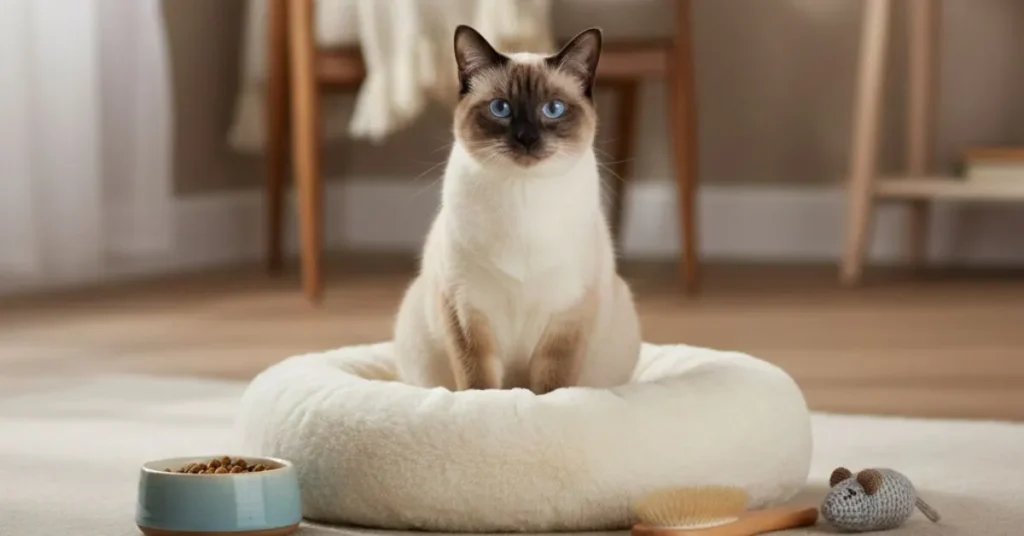
Everything you need to help your Siamese live a long, healthy, and socially fulfilling life is covered in this guide, including diet, grooming, enrichment, training, suggested home setup, and early health monitoring.
1. Feed a High-Quality, Protein-Rich Diet
Nutrition directly impacts overall health, coat shine, activity levels, and longevity.
What to Feed:
- Choose food with animal protein as the first ingredient (chicken, turkey, fish).
- Opt for grain-free or low-carb formulas.
- Include wet + dry food mix to maintain hydration and dental balance.
- Avoid foods containing corn, wheat, soy, artificial flavors, or colorants.
Feeding Frequency
| Age | Feeding Guide |
|---|---|
| Kitten (2–12 months) | 3–4 small meals/day |
| Adult | 2 meals/day + controlled treats |
| Senior (7+) | Low-calorie + joint-support diet |
Fresh water should be accessible at all times — Siamese cats benefit greatly from pet water fountains, as they encourage drinking and support kidney health.
2. Low-Maintenance Grooming, but Routine Still Matters
Siamese coats are short and silky, but regular grooming keeps them in peak condition.
Grooming Schedule
- Brush weekly using a soft-bristle or rubber grooming brush
- Wipe eyes gently — tear staining can occur in pointed breeds
- Trim nails every 10–14 days
- Clean ears every 2–3 weeks to prevent mites or buildup
- Brush teeth 3–4 times per week or provide dental treats/toys
A clean cat is a comfortable cat — and grooming strengthens the owner-pet bond.
3. High Mental Stimulation for a Highly Intelligent Breed
Siamese cats are highly intelligent and can get bored easily. They experience behavioral issues like excessive meowing or scratching if they are not given enough mental stimulation.
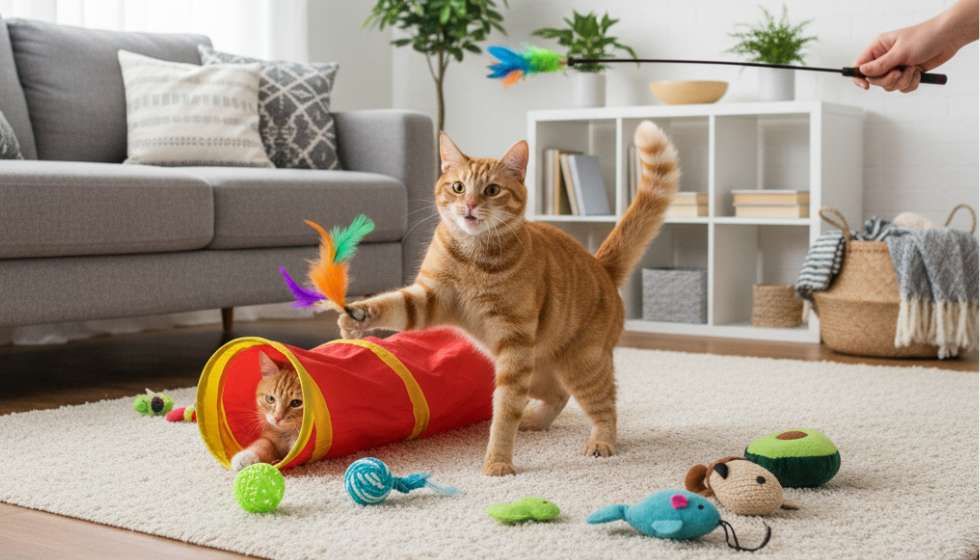
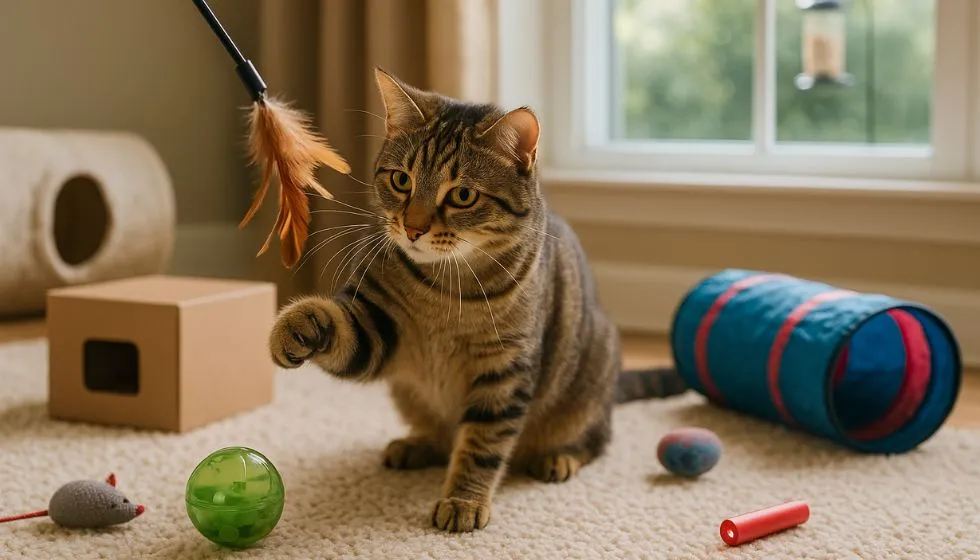
It’s important to keep them interested. Feather teasers, interactive play with wand toys, laser pointers, and puzzle feeders all keep their minds active. Additional stimulation is provided by climbing shelves, cat tunnels, and other enrichment setups.
Their playful and curious nature is typical of Siamese cat breeds, which makes providing toys, climbing spaces, and interactive play essential for their well-being.
Many Siamese cats love clicker training because they react well to challenges and mental rewards, and rotating toys on a regular basis keeps them from getting bored.
4. Indoor Living Is Safest — Enrich Their Space
Outdoor exposure increases risks of disease, theft, road accidents, and predators. Keeping Siamese cats indoors is safer, but their environment must be stimulating.
Indoor Essentials
- Scratching posts and cat trees
- Window perches (bird-viewing = hours of entertainment)
- Hiding caves or soft dens for comfort
- Cat-proofing: remove toxic plants, wires, and chemicals
Consider creating a catio or leash-training for safe outdoor exploration.
5. Routine Veterinary Checkups
Regular health monitoring helps detect problems early.
Health Management Routine:
- Annual vet check-ups (bi-annual for seniors)
- Core vaccinations + booster shots
- Year-round flea, tick & worm prevention
- Annual dental cleaning if needed
Spaying/neutering promotes calmer behavior and prevents reproductive cancers.
6. Attention, Love & Social Interaction
Siamese cats are one of the most people-oriented breeds in the world. They crave affection and may become anxious when left alone frequently.
To Keep Them Emotionally Happy:
- Spend dedicated daily play & cuddle time
- Avoid long isolation — consider a second pet if away often
- Talk to them — they love vocal communication
- Keep them involved in family activities
A neglected Siamese may vocalize excessively, over-groom, or become destructive — companionship is not optional.
7. Training & Enrichment Skills
Highly trainable, Siamese cats can learn quickly when rewarded positively.
Things You Can Train:
- Sit, high-five, fetch
- Leash walking + outdoor exploration
- Using a specific scratching post
- Litter box manners & routine
Reward with treats, praise, and play — never punish.
8. Maintain a Healthy Weight
Siamese cats are naturally slim and athletic — excess weight puts pressure on joints and reduces lifespan.
Weight Management Tips:
- Measured meal portions, no free-feeding
- Daily play sessions to burn energy
- Low-fat treats and limited table scraps
- Monitor waistline — visible lean shape is normal
If your cat gains weight suddenly, check for thyroid imbalance or metabolic issues.
9. Provide Cozy Resting & Sleeping Spots
Despite being active, Siamese cats love long naps between play sessions.
Ideal Rest Setup:
- Soft, warm bed with raised cushioning
- Spot away from noise and drafty areas
- Window seat for sunbathing
- Blankets or heated cat pads in winter
A peaceful rest spot helps reduce stress and supports emotional security.
10. Monitor for Breed-Specific Health Risks
Siamese cats are genetically strong but predisposed to certain conditions.
Watch For:
- Dental disease & gum inflammation
- Respiratory infections
- Vision problems (strabismus, glaucoma)
- Amyloidosis (rare but serious liver/kidney condition)
- Heart diseases (Hypertrophic Cardiomyopathy)
Early diagnosis = longer, healthier life. Look for changes in appetite, thirst, breathing, or activity.
Final Thoughts
With the right diet, mental engagement, affection, and preventive healthcare, Siamese cats remain energetic, silky-coated, and affectionate companions for 15–20+ years. Their loyalty and intelligence make them unforgettable family members — caring for them deeply means they will love you back tenfold.
FAQs
They are low-maintenance in grooming, but high-maintenance emotionally. They need play, attention, mental stimulation, and routine interaction to stay happy.
Kittens eat 3–4 times daily, adults twice daily, and seniors may need low-calorie meals depending on weight management and vet recommendation.
Yes — they form strong bonds and dislike being alone for long hours. A second cat or scheduled daily playtime helps reduce loneliness and anxiety.
Respiratory infections, dental disease, heart conditions (HCM), and occasional vision problems like strabismus are most common.
Absolutely — and safer. With toys, climbing spaces, and regular play, they stay mentally and physically fulfilled indoors.

Christina Donnelly is a writer, editor, and animal welfare advocate who loves to spread cheer in the form of cute animal photos and interesting animal facts.
Christina has worked in digital media for over a decade. Her current 9-to-5 is with Anthem Health, where she works as a content lead.
Title: Writer
Education: Marist College
Location: Brooklyn, New York
Expertise: Cats