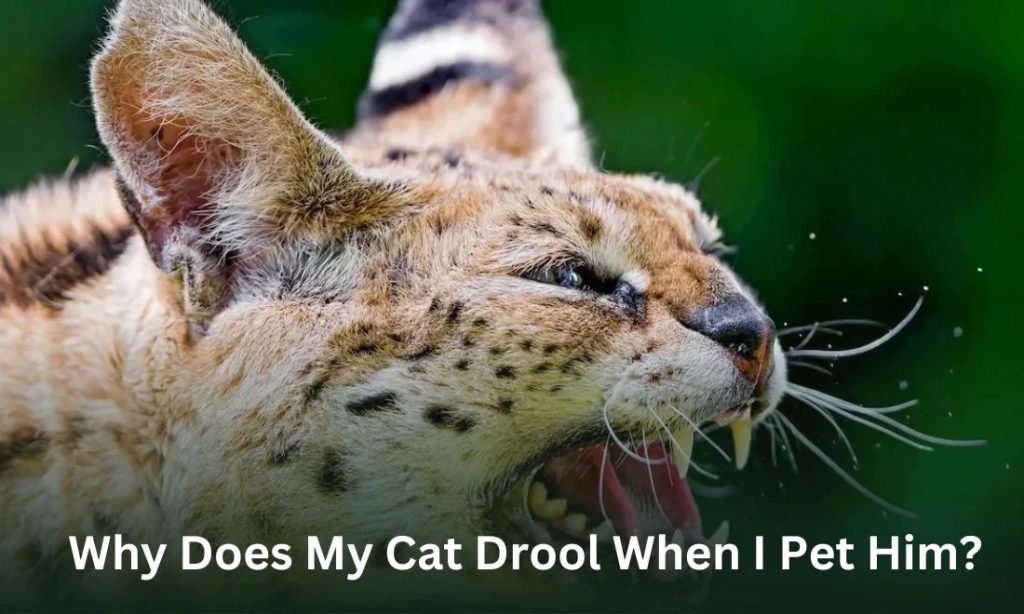
Cats aren’t typically recognized as heavy droolers, unlike their counterparts, dogs. However, it’s not unheard of for cats to drool occasionally, which might come as a surprise given their usual dry-mouth reputation. This drooling tendency is more common in some cats, especially those that are particularly affectionate, and it can easily go unnoticed, even by the cat owner. Here are some reasons why is my cat drooling and some signs to look for so you know when your cat’s drooling requires a vet visit.
In certain situations, you might notice a bit of drool when you’re petting or scratching beneath your cat’s chin. While not a common behavior for most cats, it’s not unusual and is generally considered within the range of normal feline behavior.
Do cats drool?
Drooling is a common occurrence in various animals, including humans. Essentially, drool is just saliva, a liquid involved in the digestion process that flows from our salivary glands and collects in the mouth. When saliva accumulates to the point of overflowing or seeping out of an open mouth, that’s when drooling happens. In humans, this can occur after too much novocaine or during sleep. Dogs and cats, however, exhibit some differences.
Certain dog breeds are genetically inclined to drool due to having four pairs of salivary glands. While this abundance of saliva aids in digestion and swallowing, it can lead to significant drooling. On the other hand, cats have five major salivary glands, and surprisingly, they don’t produce as much visible drool as their canine counterparts. Despite having an additional salivary gland, cats generally don’t exhibit the same overt drooling tendencies as dogs.
Why do cats drool?
A small amount of drool in cats is considered normal. Similar to humans, it might happen when they’re hungry or sleeping with their mouths open. However, an excessive amount of drool could signal an underlying issue. It might be triggered by emotional factors, bodily irritations the cat is attempting to clean, or a pathological condition like inflammation, pain, or difficulty in swallowing. In such instances, consulting with your veterinarian is advisable for proper evaluation and guidance.
6 Causes Why My Cat Is Drooling
1. Cat Purring
Cats who purr frequently begin drooling. When purring, some cats may drool a bit, but when they’re pleased and content, other cats may drool a lot. There is nothing to be concerned about with this behavior; it is entirely typical and falls within the range of usual cat behaviors.
Use a little blanket between you and your cat during snuggle time if you don’t want her to slobber on you when she purrs. If so, there’s no reason to be alarmed by a cat who drools only in moments of happiness and contentment.
2. Repeated Sniffing
Some cats that detect strong scents may drool a small amount as a result of continuously sniffing the same object. For instance, your current cat may drool excessively for a few minutes after getting a new cat if your previous cat spends a lot of time smelling the litter box after your new cat uses it.
You don’t need to worry if your cat drools excessively only when she smells something strong and then stops a few minutes later. She is acting normally, so you don’t need to take her to the emergency room or the regular vet because of this behavior.
3. Ingestion of a Toxic Substance
Ingesting toxins can cause cats to slobber excessively and suddenly. This issue arises when your cat consumes anything poisonous to her, including particular kinds of human food, houseplants, or home cleaners. This issue could also arise if your cat tries to eat anything foreign that becomes stuck in her throat or mouth.
If you suspect your cat has eaten a foreign object, take her to the emergency veterinarian right away. If she may have ingested a toxin, prompt action is crucial.
4. Stress
If your pet is under stress, it may result in frequent drooling. You can prepare for excessive drooling in the future if your cat is extremely nervous most of the time. It could also happen if you expect a stressful event for your pet. For example, moving to a new home.
Your cat may require antidepressant or anxiety medicine if she is constantly tense and nervous. This kind of medication can only be prescribed by your veterinarian; under no circumstances should you give human medication to your pet.
5. Heatstroke in Cats
One of the early signs of heatstroke is acute, profuse cat drooling. When cats become dehydrated due to extreme heat, they experience this symptom. It frequently coexists with additional heatstroke symptoms, such as panting and an accelerated heart rate. Even on moderate days, cats who are left outside alone or in a car alone run the risk of suffering from heatstroke.
Take your cat to the emergency veterinarian immediately if you suspect that she is experiencing heatstroke, even if it’s mild. IV fluids will be necessary to ensure her complete recovery from this grave and potentially fatal illness.
6. Dental Disease in Cats
Drooling in cats is frequently caused by dental disease. Your cat will probably drool a lot because she is in agony if she has severe gum disease that has led to abscesses and decaying teeth. Drooling can occasionally result from dental diseases, even mild or serious ones.
See a veterinarian if your cat exhibits signs of dental disease or other oral health issues. She’ll probably need a dental cleaning, and if the issue is really bad, she might also need to have some of her teeth pulled while sedated.
Consult a Veterinarian if You’re Not Sure About Your Cat’s Drooling
As you can see, there are a few minor reasons why cats drool that are not cause for concern. You probably don’t need to take your cat to the vet if her drooling seems to come and go or goes away quickly.
However, it’s a good idea to visit the veterinarian to have this checked out if her drooling looks more extreme. Make an online appointment or give OrlandoVets a call at any of our locations if you have any further questions or concerns about drooling cats. Our group of skilled and caring vets is committed to giving your cat the finest care possible.
FAQs
Usually means your cat is happy, relaxed, or enjoying affection. Some cats drool when they feel very comfortable.
Not always, but excessive drooling can signal dental disease, infections, or oral cancer. See a vet if drooling is constant or has blood/foul smell.
Yes. Respiratory infections, foreign objects in the mouth, or something stuck in the throat or stomach can cause drooling. Consult a vet if symptoms continue.