Safe, natural 5 best homemade shampoos for Persian cats to maintain soft and healthy fur.
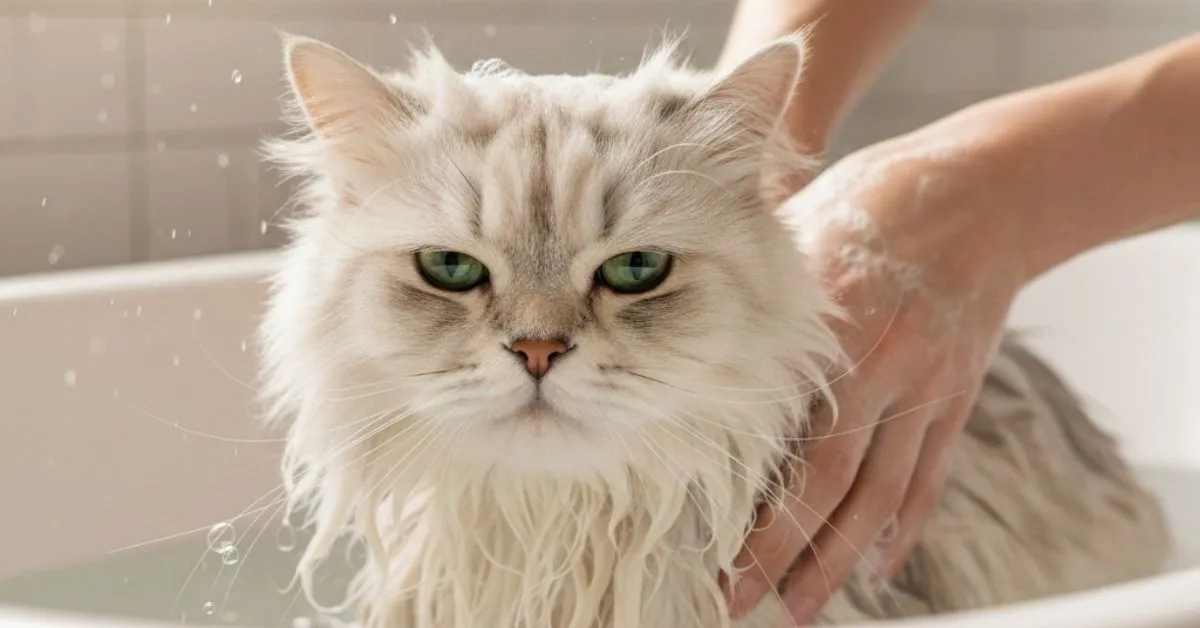
If you own a Persian cat, you know that their long, silky coat is more than fur — it’s a crown of royalty. But keeping it soft, tangle-free, and healthy can be a challenge, especially for cats with sensitive skin. Many cat owners prefer natural, chemical-free alternatives to commercial shampoos.
This guide described the detailed top 5 DIY Persian cat shampoos, their benefits, drawbacks, and how they compare to store-bought options. By the end, you’ll know exactly how to pamper your fluffy royal with safe, effective, and gentle grooming.
Why Go Homemade? Pros vs. Commercial Shampoos
Pros of Homemade Shampoos:
- Chemical-free: No sulfates, parabens, or synthetic fragrances.
- Gentle on sensitive skin: Reduces irritation, dryness, and itching.
- Cost-effective: Often cheaper than premium commercial brands.
- Customizable: You can add natural conditioners or anti-flea ingredients.
Cons Compared to Commercial Shampoos:
- Shorter shelf life: Must be used fresh or within a week.
- Less foaming: Cats may react to texture differently.
- Limited long-term effects: Monthly use is sufficient, but not ideal for heavy dirt or oily coats.
Bathing a Persian cat requires more than just water and patience—it also depends on the quality of grooming supplies you use.
Top 5 Homemade Persian Cat Shampoos
1. Oatmeal + Honey Shampoo – Best All-Rounder
Ingredients:
- 1 cup ground oatmeal
- 1 Tbsp honey
- 1 cup warm water
Benefits:
- Cleans gently without stripping natural oils
- Hydrates skin and reduces flakiness
- Suitable for all coat types
Pros:
- Soothes dry, itchy skin
- Easy to prepare with household ingredients
- Safe for kittens
Cons:
- Minimal fragrance
- Needs thorough rinsing to avoid residue
Review Verdict: This is the go-to shampoo for Persian cats with sensitive skin. It’s effective, gentle, and perfect for regular monthly grooming.
2. Aloe + Coconut Shampoo – Softness & Shine
Ingredients:
- ½ cup aloe vera gel
- 2 Tbsp coconut oil
- 1 cup distilled water
Benefits:
- Soothes irritated skin
- Adds a natural silk-like shine
- Prevents dryness during winter
Pros:
- Leaves coat soft and manageable
- Naturally moisturizing
- Lightweight, non-greasy
Cons:
- Coconut oil may leave slight residue if not rinsed properly
- Not effective for flea control
Review Verdict: Ideal for Persian cats with dry or brittle fur. Gives a soft, glossy finish that rivals some commercial conditioners.
3. Apple Cider Vinegar (ACV) Wash – Odor Control
Ingredients:
- 1 part apple cider vinegar
- 3 parts water
Benefits:
- Neutralizes odors naturally
- Kills bacteria on the coat
- Prevents mild skin infections
Pros:
- Natural deodorizer
- Simple and quick to prepare
Cons:
- Strong smell initially
- Not suitable for open wounds or highly sensitive cats
Review Verdict: Best used occasionally for odor control. It’s a natural, inexpensive way to keep your Persian smelling fresh.
4. Baby-Safe Rose Water Shampoo – Gentle Fragrance
Ingredients:
- ½ cup cat-safe baby shampoo
- ¼ cup rose water
- 1 tsp glycerin
Benefits:
- Light, soothing fragrance
- Smooths and softens coat
- Spa-like grooming experience
Pros:
- Pleasant scent
- Adds temporary shine
- Safe for regular use
Cons:
- More cosmetic than medicinal
- Needs careful selection of baby shampoo (must be free from harmful chemicals)
Review Verdict: Perfect for photoshoots or special occasions. Great for Persian cats with fine or thin coats.
5. Anti-Flea Neem Leaf Wash – Natural Protection
Ingredients:
- Fresh neem leaves, boiled
- Strain & cool water
Benefits:
- Naturally repels fleas and ticks
- Soothes itching and irritation
- Reduces scratching
Pros:
- Eco-friendly, chemical-free
- Safe for sensitive Persian skin
- Can be combined with other natural shampoos
Cons:
- Slightly strong odor
- Use as a rinse rather than full shampoo
Review Verdict: A natural alternative to chemical flea shampoos. Works best as a preventive treatment rather than a heavy-duty solution.
How to Safely Apply Homemade Shampoo
- Brush the coat thoroughly to remove tangles and debris.
- Wet the fur with warm water.
- Apply shampoo gently, avoiding eyes, nose, and ears.
- Massage lightly to spread evenly.
- Rinse thoroughly to remove all residues.
- Dry with a warm towel or low-heat dryer if tolerated.
- Brush again to maintain smoothness and shine.
Tip: Use DIY shampoos once a month. Over-washing may dry the skin.
Seasonal shedding and indoor living can affect how often grooming is needed. A well-planned Persian cat bathing routine helps manage loose hair, minimizes allergens at home, and supports overall coat health when combined with regular brushing.
Natural Conditioners for Persian Cats
| Ingredient | Benefit |
|---|---|
| Coconut oil | Adds shine & reduces hair fall |
| Olive oil spray | Tangle control |
| Aloe gel | Cooling & anti-itch |
| Shea butter | Winter coat nourishment |
| Egg mask | Deep protein treatment |
Pro Tip: Mix 1 tsp of coconut or olive oil with water for a light, leave-in conditioner to maintain shine between baths.
Homemade vs. Commercial Shampoos
| Feature | Homemade | Commercial |
|---|---|---|
| Ingredients | Natural, chemical-free | May contain sulfates, fragrances |
| Shelf Life | Short, use fresh | Long-lasting |
| Cost | Low | Medium–high |
| Effectiveness | Gentle, safe | Stronger for dirt, fleas |
| Customizable | Yes | Limited |
Verdict: Homemade shampoos excel in safety, gentleness, and customization, while commercial products may be better for heavier cleaning or flea control.
Final Thoughts
DIY Persian cat shampoos are a safe, natural, and cost-effective way to pamper your cat. From hydrating oatmeal to flea-repelling neem, each formula offers specific benefits for different skin and coat needs.
If your Persian cat is family, treat their coat like royal silk — soft, gentle, and naturally beautiful. With these recipes, you can enjoy spa-like grooming at home, free from chemicals, and full of love.
FAQs
No. Human shampoos have chemicals, fragrances, and pH levels that can irritate a cat’s sensitive skin. Always use cat-safe or homemade shampoos designed for feline skin.
For Persian cats, once a month is ideal with homemade shampoos. Over-bathing can strip natural oils, causing dryness and irritation.
Yes, most DIY shampoos like oatmeal + honey or aloe + coconut are gentle enough for kittens. Avoid strong ingredients like ACV or neem on very young kittens.
Some ingredients, like neem leaf rinse, can repel fleas naturally. However, they are not a replacement for veterinarian-approved flea treatments for severe infestations.
– Brush the coat before and after bathing.
– Use natural conditioners like coconut oil or aloe gel.
– Dry gently with a towel and optional low-heat dryer.
Most DIY shampoos should be used fresh or stored in the fridge for up to 1 week. Avoid long-term storage, as natural ingredients can spoil.
Yes, if using cat-safe baby shampoo and pure rosewater. It provides a light fragrance and softens the coat. Avoid concentrated essential oils, which can be toxic.
No, if diluted properly (1 part ACV to 3 parts water). Use occasionally for odor control and rinse thoroughly. Avoid applying on open wounds or highly sensitive areas.
Oatmeal + honey or aloe + coconut shampoos are ideal. They hydrate, soothe itching, and improve fur texture.
Yes, mixing a small amount of natural conditioner like coconut or olive oil after a gentle rinse can improve softness and reduce tangles.

Christina Donnelly is a writer, editor, and animal welfare advocate who loves to spread cheer in the form of cute animal photos and interesting animal facts.
Christina has worked in digital media for over a decade. Her current 9-to-5 is with Anthem Health, where she works as a content lead.
Title: Writer
Education: Marist College
Location: Brooklyn, New York
Expertise: Cats