Real Reasons Behind This Heartbreaking Behavior and How I Fixed It
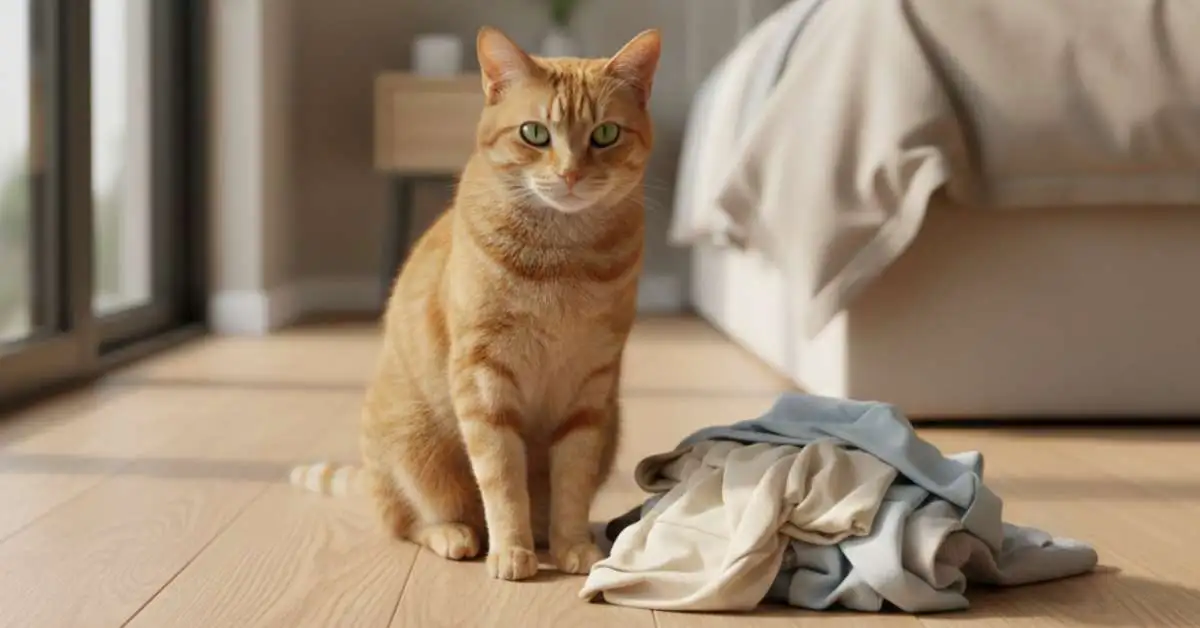
Feeling the presence of a cat’s pee on your clothes, for example, is more painful than people express. It is a personal, stressful, and confusing experience all wrapped up in one hurtful act. I remember being in a position, holding a wet shirt, wondering what wrong I had done. However, a cat does not pee on the clothing of the owner for the purpose of torment, but this act means something – a sense of discomfort, fear, or an out-of-balance condition, which needs to addressed.
Learning why such an act is performed gives one an entirely different understanding. Learning why my cat was doing what he was doing eliminated that issue altogether. Here is a real solution, learned from experience and trust, not guesswork.
Your Cat Uses Urine To Communicate
Cats are talkers but instead of talking, cats act. Therefore, pissing on clothes sends a powerful emotional message. This is because clothes are associated with a strong odor than furniture or carpets. Hence, clothes are emotionally powerful. Incidences where a cat does not feel secure will see it rely on a powerful source of comfort.
The behavior is never an indication of anger or revenge. In fact, it is indicative of vulnerability and emotional dependency. Once one understands this, they can approach it with greater calmness.
Routine Changes Create Powerful Anxiety
Cats need routines and rely on repetitiveness to have a sense of security and stability; therefore, any minor changes cause immense emotional upsets. The addition of new animals, new people around, noisy sounds, and moving furniture around can cause significant stress to cats. Once stress is up, cats seek grounding as a coping mechanism.
Your clothing provides familiarity and a safe environment through smell. For this reason, stressed cats always try to attack various clothing items on you repeatedly. Managing stress makes you emotionally stable, reducing accidents.
Litter Box Problems Push Cats Away
Cleanliness is what cats desire in their litter boxes. However, once it becomes untidy, it immediately results in an avoidance habit in cats. Odor, moisture, or uncomfortable feelings in the litter boxes with strong odors can irritate cats’ sensitive paws, prompting them to look for alternatives elsewhere.
Location also plays a huge role in this, like when loud appliances or a lot of traffic give your kitty fear, but your kitty finds clothing to be quiet, soft, and safe for the emotions. If the environment around the kitty litter box is improved, the behavior will totally stop.
Your Cat Feels Threatened Inside Its Own Home
A cat marks its territory through scents. Stinky urine acts as a defense mechanism when they feel threatened. Sometimes, pets and stray cats outdoors give rise to security issues. This anxiety prompts them to mark their territories.
Clothes are porous media, so they can easily absorb scents. The behavior can be intensified by the influence of hormones, particularly on unneutered individuals. Overcoming territorial tension will promote confidence.
Health Issues Change Bathroom Habits Fast
Discomfort and illness play a significant influence on cat litter usage. For example, urinary infections are extremely painful, and cats will relate this with the litter box. Thus, they will seek alternative softer surfaces.
An increase in the number of times a dog needs to urinate also causes accidents to happen. Changes, especially sudden changes, must always alert a dog owner to seek medical assistance from a veterinarian immediately.
Anxiety Strengthens Attachment To Your Scent
Anxious cats cling to familiar scents for comfort. Your clothes carry your emotional presence strongly. When cats feel lonely or insecure, they seek reassurance through scent contact.
Lack of stimulation increases anxiety. Reduced playtime or emotional distance intensifies attachment behaviors. Restoring emotional connection reduces stress-based urination naturally.
How I Stopped My Cat From Peeing On Clothes
First, I went to the veterinarian to rule out health issues. That step brought clarity and peace of mind. Then, I perfected litter box hygiene and placement. The immediate difference was day-in and day-out cleaning.
I reinstated routine: feeding and playing at fixed hours. Longer play sessions removed stress quite efficiently. Blocking the visibility of outside cats also reduced territorial anxiety. Consistency and patience brought permanent results.
Proper Cleaning Prevents Repeat Accidents
The detergent does not remove the scent of urine completely. Cats recognize this and revisit the same spot. It leads to persistent problems. Enzymatic cleaning is effective at decomposing molecules to remove the scent.
Clothes that are urined on must be washed separately, but it’s also important not to, or never, purchase products that have ammonia, as it smells almost as well as urine and makes them mark even more. Once
Create Emotional Safety At Home
Cats feel secure in predictable environments. Reduce loud noises and sudden disruptions whenever possible. Vertical spaces like cat trees increase confidence and control.
Provide enough litter boxes for comfort and choice. One box per cat plus one extra reduces competition stress. Emotional safety encourages healthy habits consistently.
Early Action Protects Your Cat’s Well-Being
Frequent accidents indicate ongoing distress. Blood in urine requires immediate veterinary care. Sudden behavior changes never appear without cause.
Animal behaviorists identify hidden triggers effectively. Professional guidance prevents long-term emotional damage. Seeking help shows responsibility and care.
Final Thoughts
This problem feels overwhelming at first. I felt frustrated, tired, and emotionally drained. However, my cat never tried to hurt me. My cat asked for help in the only way possible.
Once I listened, everything changed. Compassion replaced frustration, and trust returned. If your cat pees on your clothes, pause and observe. Behind every accident, there is emotion. And every emotion deserves understanding.

Ashley Bates is a passionate freelance pet writer, lifelong animal lover, and dedicated advocate for pet welfare. Currently studying animal therapy, she uses her experience with rescue animals, pet care, and behavior education to help owners build healthier, happier lives for their cats and dogs. When she isn’t writing, Ashley is often volunteering, fostering, or supporting animal rights in her community.