If you’ve ever wondered why Bengal cats are illegal in some U.S. states, the answer goes back to their unique hybrid ancestry. These exotic-looking felines are descendants of domestic cats and wild Asian leopard cats, creating legal concerns in certain regions.
Many state and local authorities enforce Bengal cat restrictions due to fears about wild animal genetics, public safety, and ownership regulations. Laws can vary significantly depending on the generation of the cat.
Understanding why Bengal cats are illegal in some U.S. states can help potential owners avoid legal issues, comply with pet laws, and determine whether a Bengal cat is permitted where they live.
Bengal cats are loved for their wild beauty, athleticism, and dog-like personalities—but not every state allows you to own one. In 2026, Bengal cats are still legal in many areas of the United States, but laws vary depending on the state and even city. These restrictions usually depend on how many generations the Bengal cat is removed from its wild ancestor, the Asian Leopard Cat.
The History Behind Bengal Cat Restrictions
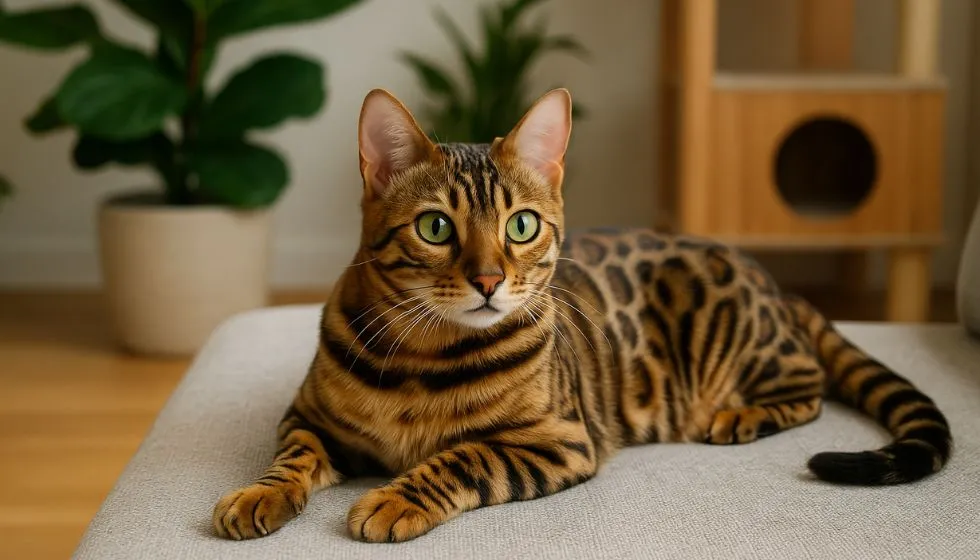
At first glance, it can seem strange that a beautiful pet cat would face legal restrictions. After all, modern Bengal cats are popular family companions known for their intelligence, loyalty, and stunning spotted coats.
The concern goes back to the breed’s origins.
Bengal cats were originally developed by crossing domestic cats with the Asian leopard cat, a small wild feline native to parts of Asia. Breeders wanted to create a cat with the exotic appearance of a wild animal but the temperament of a household pet.
While the breeding program was successful, lawmakers faced a difficult question: At what point does a hybrid animal become truly domestic?
For decades, different states and municipalities have answered that question differently. Some jurisdictions consider later-generation Bengals to be ordinary house cats, while others remain cautious because of the breed’s wild ancestry.
This historical uncertainty is one of the main reasons Bengal cat laws still vary today.
The Main Reason: Hybrid Status
Bengal cats are not universally illegal, but their legality varies significantly by location due to their ancestry. They are a hybrid breed, descended from a domestic cat and the Asian leopard cat, a small wildcat. This wild ancestry leads to restrictions in some places, while others allow them with specific conditions or generations removed from the wild ancestor.
The later-generation Bengals are considered domestic, early-generation Bengals (F1–F4) still retain many wild traits.
Because of this hybrid status, early-generation Bengals often fall into a legal gray area. Many U.S. states and municipalities regulate or ban ownership of Bengal cats due to:
- Concerns about public safety
- Ecological impact if released into the wild
- Challenges distinguishing early- and later-generation Bengals
Why Hybrid Animals Face Stricter Laws
Bengal cats are not the only animals affected by hybrid regulations.
Across the United States, governments often impose restrictions on hybrid species because they fall somewhere between domesticated pets and wild animals. Wolves, wolf-dog hybrids, and certain exotic cat breeds have faced similar legal challenges.
Lawmakers typically approach hybrid animals differently because they may inherit unpredictable traits from their wild ancestors. Even when those traits rarely appear, regulators often choose caution over risk.
As a result, Bengal cats became part of a larger conversation about public safety, responsible ownership, and wildlife protection.
The Public Safety Concerns Behind Bengal Cat Bans
One of the most common reasons lawmakers cite when restricting Bengal cats is public safety.
Early-generation Bengal cats can be larger, stronger, and more energetic than typical domestic cats. They may also display behaviors that are uncommon in traditional house cats, including:
- Intense territorial instincts
- Strong prey drive
- Increased climbing and escape behavior
- Greater independence
- High physical activity levels
While many Bengal owners describe their cats as affectionate and social, regulators often focus on worst-case scenarios rather than average outcomes.
From a legal perspective, governments frequently create animal laws based on potential risks rather than individual experiences.
This helps explain why some jurisdictions restrict entire categories of hybrid animals, even when most owners never encounter serious behavioral problems.
Environmental Concerns and Wildlife Protection
Another major reason Bengal cats are illegal in some U.S. states involves environmental protection.
Bengals are highly skilled hunters. Their athletic ability, intelligence, and strong prey instincts make them exceptional predators compared to many traditional house cats.
Wildlife experts worry that escaped or abandoned hybrid cats could potentially threaten native bird populations, reptiles, and small mammals.
These concerns are especially significant in environmentally sensitive regions where native wildlife is already under pressure from habitat loss and invasive species.
Even though large-scale ecological problems involving Bengal cats are uncommon, lawmakers often take a preventative approach.
Their goal is to reduce the possibility of future environmental harm before it occurs.
Why Early-Generation Bengals Are Treated Differently
Not all Bengal cats are viewed the same under the law.
The closer a Bengal cat is to its Asian leopard cat ancestor, the more likely it is to face restrictions.
This is why legal discussions often focus on generations such as F1, F2, F3, and F4.
Early-generation Bengals may retain more physical and behavioral traits associated with wild cats. Because of this, lawmakers often classify them differently from later-generation Bengals.
By the time a Bengal reaches F5 or later generations, it is generally considered much more predictable and domesticated.
This distinction explains why many jurisdictions that restrict Bengal cats specifically target earlier generations rather than the breed as a whole.
Why Early-Generation Bengals Are Treated Differently
Not all Bengal cats are viewed the same under the law.
The closer a Bengal cat is to its Asian leopard cat ancestor, the more likely it is to face restrictions.
This is why legal discussions often focus on generations such as F1, F2, F3, and F4.
Early-generation Bengals may retain more physical and behavioral traits associated with wild cats. Because of this, lawmakers often classify them differently from later-generation Bengals.
By the time a Bengal reaches F5 or later generations, it is generally considered much more predictable and domesticated.
This distinction explains why many jurisdictions that restrict Bengal cats specifically target earlier generations rather than the breed as a whole.
Bengal Cat Ownership Laws and Restrictions
Bengal cat ownership laws vary widely across the United States. While most states allow ownership of later-generation Bengal cats, some states, counties, and cities continue to regulate or restrict hybrid cats because of their wild ancestry.
In general, F5 Bengal cats and later generations are treated as domestic cats in most jurisdictions. Earlier generations, particularly F1 through F4 Bengals, may be classified as exotic or hybrid animals and can be subject to special permits, registration requirements, or outright bans.
Before purchasing a Bengal cat, owners should review both state and local regulations, as city ordinances can be more restrictive than state laws. Checking Bengal cat laws by state is the best way to ensure compliance with local regulations.
⚠️ Important: These laws can change. Always verify current regulations with your local wildlife or animal control department before purchasing or adopting a Bengal cat.
What Do F1, F2, F3, F4, and F5 Mean?
These terms refer to the number of generations a Bengal cat is removed from its wild ancestor:
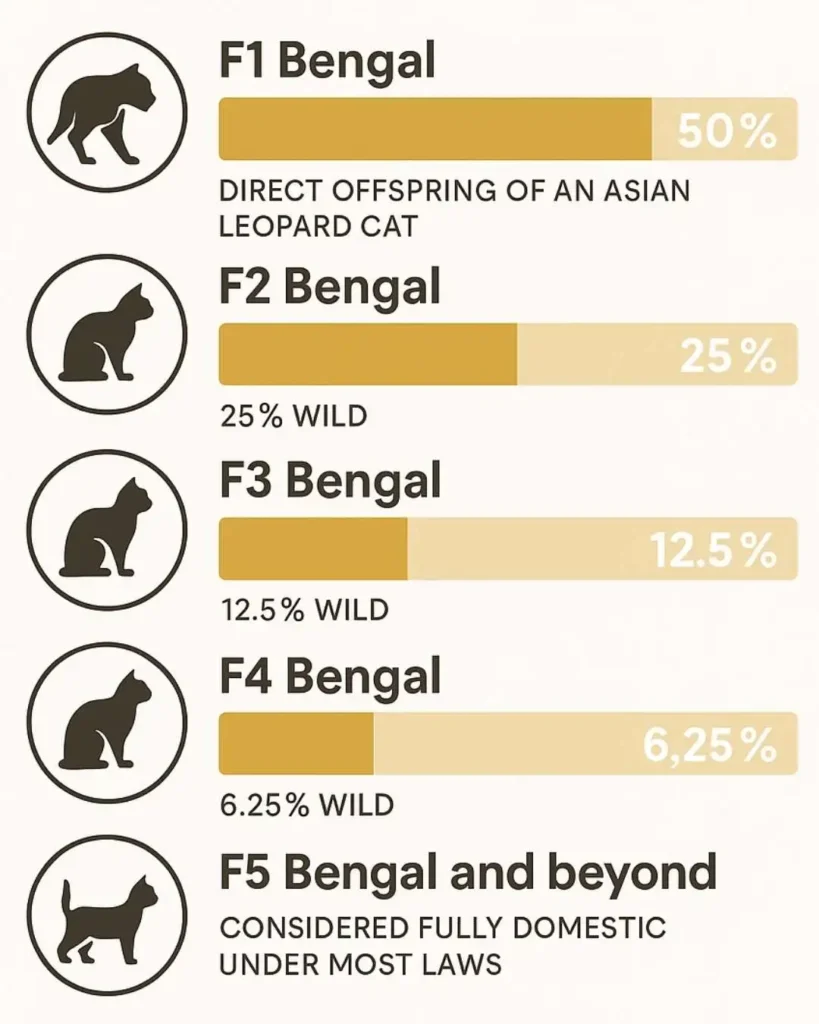
Most breeders today sell only F4 or F5 Bengals because they’re more sociable, easier to train, and legal in more places.
The Challenge of Proving a Bengal Cat’s Generation
One issue that many people overlook is enforcement.
Imagine a local animal control officer responding to a complaint about a Bengal cat.
Without documentation, how can they immediately determine whether the cat is F2, F4, or F5?
For many authorities, verifying a Bengal’s exact generation can be difficult.
This challenge has led some jurisdictions to adopt broad restrictions rather than attempting to evaluate each animal individually.
From a regulatory standpoint, blanket policies are often easier to enforce than generation-specific laws.
Although this approach may frustrate responsible owners, it helps explain why some areas continue to maintain strict rules.
Tips for Prospective Bengal Cat Owners
If you’re interested in owning a Bengal cat, consider the following:
1. Research Local Laws
Before adopting, check local and state regulations. Contact your city hall or Department of Fish and Wildlife to verify Bengal ownership laws in your jurisdiction.
2. Confirm the Generation
Ask the breeder for generation documentation (pedigree papers) and make sure they are a registered breeder with TICA (The International Cat Association) or another reputable organization.
3. Prepare for Their Needs
Bengal cats are highly intelligent and energetic. They need:
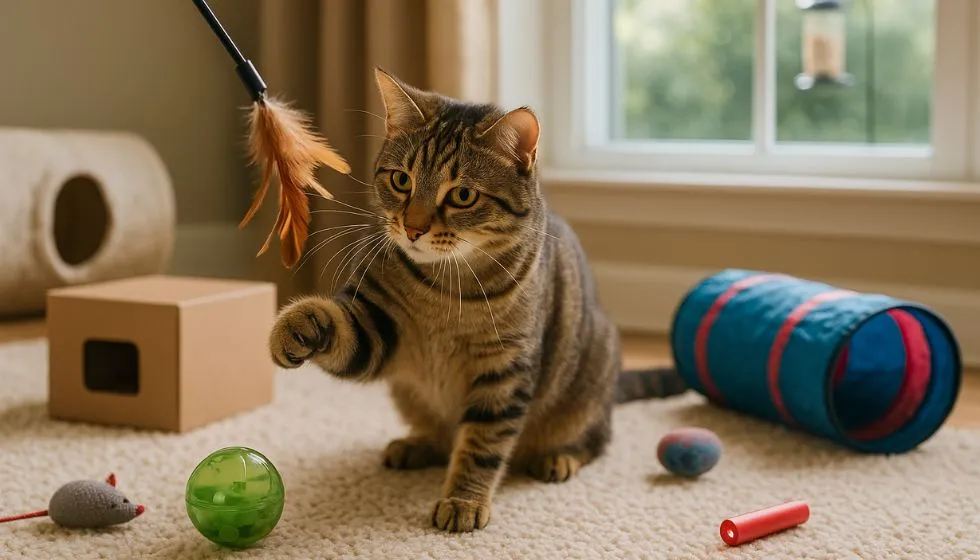
- Plenty of toys and climbing structures
- Interactive playtime daily
- Space to roam
- A secure home (Bengals can be escape artists)
Are Bengal Cats Dangerous?
Generally, Bengal cats from F5 and beyond are no more dangerous than a domestic tabby. They are affectionate, social, and intelligent pets when properly raised. However, they do have unique personalities and require more engagement than typical house cats.
Should You Get a Bengal Cat?
A Bengal cat can be a wonderful companion if:
- You have time and space for a high-energy, intelligent pet
- You’re willing to do your homework on laws and generation history
- You buy from a responsible, legal breeder
If you’re unsure about the generation or legality, consult a veterinarian, breeder, or local animal control officer before bringing a Bengal home.
Are Bengal Cat Restrictions Still Necessary Today?
This question continues to spark debate among breeders, veterinarians, lawmakers, and Bengal cat enthusiasts.
Supporters of Bengal ownership argue that modern F5 and later-generation Bengals are fully domesticated pets with predictable temperaments.
They point out that millions of domestic cats hunt wildlife, climb fences, and display strong prey instincts without being classified as exotic animals.
Critics, however, argue that hybrid ancestry creates unique concerns that justify continued regulation.
As Bengal cats become more established and breeding programs continue to focus on domestic traits, some experts believe restrictions may gradually become less common.
Others believe hybrid animal laws will remain an important safeguard for public safety and wildlife conservation.
The Real Reason Bengal Cats Are Illegal in Some U.S. States
At its core, the debate comes down to one issue: wild ancestry.
Bengal cats occupy a unique position between the domestic and wild animal worlds. Their connection to the Asian leopard cat has led lawmakers to question where the line between pet and exotic animal should be drawn.
Concerns about public safety, environmental impact, behavioral unpredictability, and regulatory enforcement all stem from this single factor.
While most modern Bengal cats are loving companions, their hybrid origins continue to shape how they are viewed under the law.
Understanding this history helps explain why Bengal cat ownership remains a legal issue in certain parts of the United States, even as the breed grows in popularity.
FAQs
Bengal cats are restricted in certain areas because of their wild ancestry. Early-generation Bengals (F1–F3) are considered hybrids of domestic cats and Asian leopard cats, which raises concerns about behavior, temperament, and potential environmental impact.
Not all Bengals are considered wild. Only the first few generations (F1, F2, F3) retain a high percentage of wild genes. Bengals beyond F4 are classified as domestic cats in most regions.
It depends on the state and even local laws. States like New York, Hawaii, and Connecticut have strict regulations or bans, especially for early-generation Bengals. Always check with local authorities before getting a Bengal cat.
Generally, F4 and F5 Bengals and beyond are legal in most places as they are considered fully domesticated and pose fewer behavioral concerns.
In some states or municipalities, you may be able to obtain a special permit to keep a Bengal cat, particularly if it’s an early generation. Check with your local wildlife or animal control department for details.
An F1 Bengal is the direct offspring of an Asian leopard cat, making it 50% wild. An F5 Bengal is at least five generations removed from its wild ancestor and is much more social, trainable, and legal in most places.
Breeders typically offer F4 or F5 Bengals because they are legal in more locations, easier to manage as pets, and meet domestic cat classification under most animal laws.
Not inherently. While early-generation Bengals can be more energetic or unpredictable, F4 and F5 Bengals are generally affectionate, playful, and social if properly raised and trained.
Penalties vary by location and can include fines, confiscation of the animal, or legal action. Always research local laws before purchasing or adopting a Bengal cat.
Contact your local animal control, wildlife authority, or city/county clerk’s office to verify Bengal cat regulations in your region.

Claudia Guthrie is a writer and animal enthusiast with experience working for a leading equine veterinary hospital and learning more about canine development and obedience. She has personal experience with dogs, cats, rabbits, gerbils, and horses, and a lifelong interest in researching and writing about the latest in animal care, training, and breed profiles.