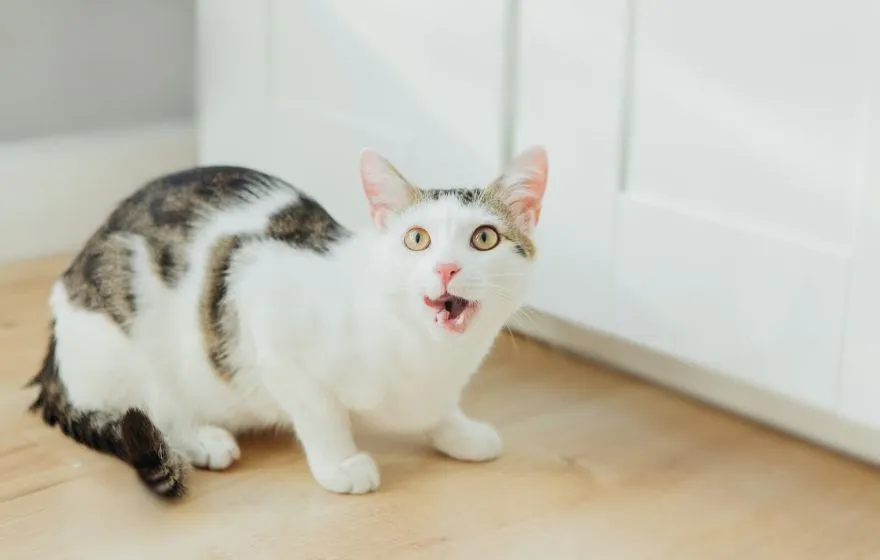
Cats meow to communicate with humans, but sometimes their vocal behavior can leave owners puzzled. You may notice your cat meowing in the morning, when you come home, or even during everyday activities. Understanding why your cat meows helps you respond appropriately, strengthen your bond, and ensure their needs are met. This guide explores common reasons behind different types of meowing and provides tips to interpret and handle these vocal signals effectively.
Why Does My Cat Meow at Me All the Time?
When a cat meows frequently, it usually reflects learned communication rather than random noise. Cats quickly figure out which behaviors grab human attention. If meowing leads to food, petting, or eye contact, they repeat it. Over time, vocalization becomes their favorite way to “talk” to you.
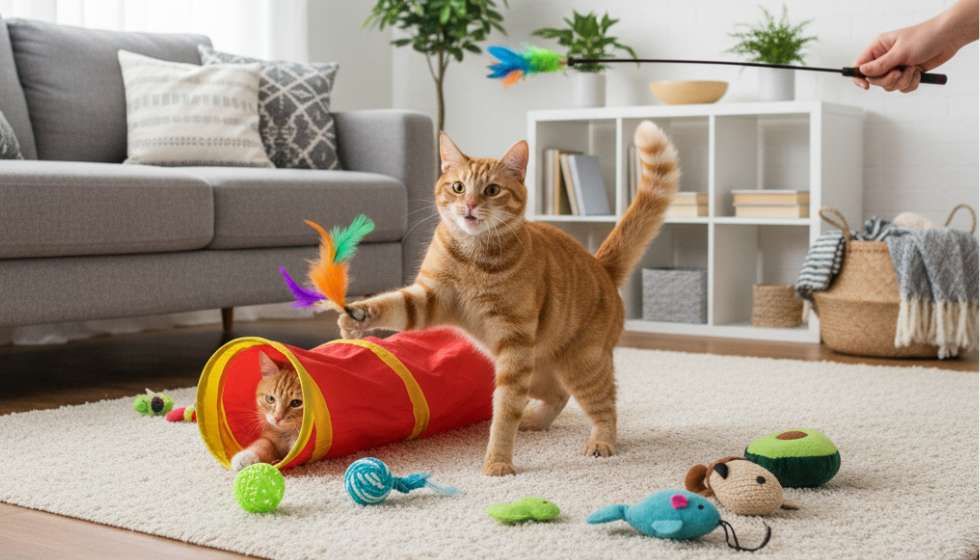
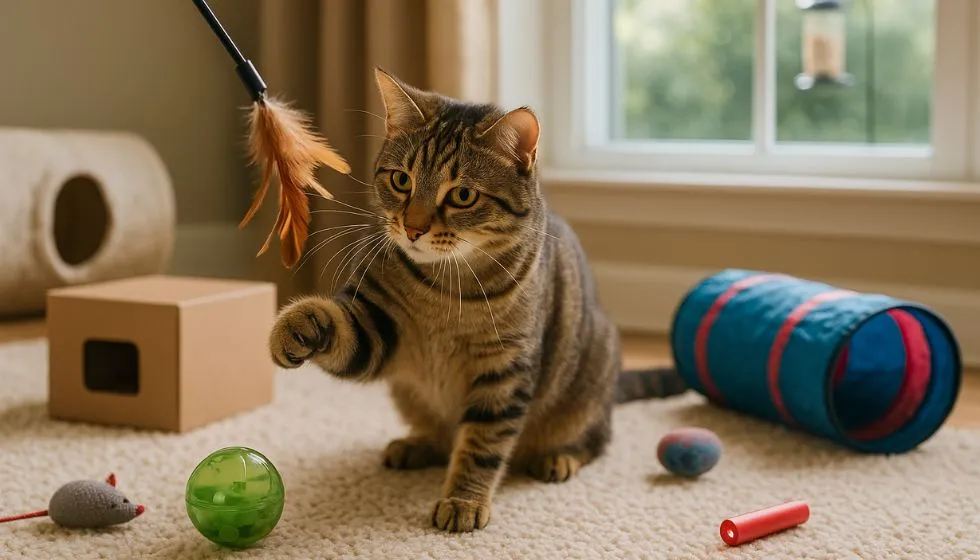
Another common reason involves unmet emotional or physical needs. Cats may meow more when they feel bored, lonely, hungry, or under-stimulated. Indoor cats often experience this because they rely entirely on humans for play, enrichment, and routine. A lack of toys, playtime, or interaction can easily trigger excessive meowing.
Changes in daily routine can also increase vocal behavior. Moving furniture, schedule changes, new pets, or unfamiliar visitors may confuse or stress your cat. In response, your cat may meow more to seek reassurance or regain a sense of control.
Sometimes, constant meowing signals discomfort, misread your cat’s anxiety, or health concerns issues. Pain, hunger due to dental issues, digestive problems, or age-related cognitive changes can all cause increased vocalization. Senior cats, in particular, may meow more due to disorientation or declining senses.
To understand the cause, pay close attention to timing, tone, and context. Does your cat meow near feeding time, at night, or when you’re busy? Identifying patterns helps you decide whether the behavior is normal communication or a sign that needs attention. If meowing becomes sudden, intense, or unusual, a veterinary check is always a smart step.
Why Does My Cat Meow at Me When I Come Home?
Many cats start meowing the moment their owner comes home because they feel excited and emotionally connected. Your return signals comfort, safety, and stability. For cats that form strong bonds, vocalizing becomes their way of saying hello and expressing relief.
Some cats also build anticipation while you’re away. During this time, they may nap or wait near doors and windows. When you finally arrive, meowing helps release stored energy and emotion. Social and people-oriented cats show this behavior more often.
In other cases, the meowing connects to expectation. If your arrival usually leads to feeding, treats, or playtime, your cat quickly links the two events. Over time, vocal greetings become reinforced. Responding calmly, rather than immediately rewarding the behavior, helps keep emotions balanced without encouraging over-dependence.
Occasionally, excessive meowing at the door can signal anxiety or insecurity. Cats that dislike being alone may vocalize more to seek reassurance. Offering consistent routines, enrichment toys, and calm greetings can reduce stress and make arrivals smoother for both of you.
Why Does My Cat Meow at Me in the Morning?
Morning meowing usually links to routine and instinct rather than misbehavior. Cats follow strong internal clocks and expect daily activities, such as feeding and attention, to happen at the same time each day. When expectations are not met, vocalization becomes their reminder system.
This behavior also connects to natural hunting instincts. Cats are crepuscular, meaning they feel most alert at dawn and dusk. As energy levels rise in the early morning, meowing signals readiness to eat, play, or interact. Indoor cats often direct this energy toward their owners.
Hunger plays a major role as well. If your cat associates waking up with breakfast, they may meow persistently to speed things along. Over time, this behavior becomes reinforced when food follows vocalization.
You can reduce morning meowing by creating predictable routines. Feeding slightly later, offering interactive play before bedtime, and using puzzle feeders can help burn excess energy. Consistency reassures your cat and encourages a calmer, quieter start to the day.
Why Does My Cat Meow at Me So Much?
Some cats are naturally more vocal than others. Just like people, they have distinct personalities. Social, affectionate, or energetic cats often express themselves with frequent meows, chirps, or trills. In contrast, more independent cats may be quieter, even if they feel the same emotions.
Reinforcement plays a major role in shaping vocal behavior. If your cat meows and receives food, petting, or attention in response, meowing becomes their preferred way to communicate. Over time, silence may feel ineffective, and meows become a reliable method to get your attention.
Environmental and emotional factors can also increase vocalization. Changes in routine, a new pet or person, or boredom can lead to more frequent meowing. Indoor cats, in particular, rely on humans for interaction, making them more prone to persistent vocal behavior.
Sudden spikes in meowing may indicate stress, discomfort, or health issues. Pain, urinary problems, dental issues, or age-related conditions can all trigger increased vocalization. Observing patterns—including timing, tone, and context—helps determine whether the behavior is normal communication or a signal that needs attention.
Providing mental stimulation, consistent routines, and calm responses can help balance vocal habits. Puzzle feeders, interactive toys, and short play sessions reduce boredom and reassure your cat, making meows less demanding and more meaningful.
Why Does My Cat Meow at Me When I Sneeze?
Cats are highly sensitive to sudden sounds, and a sneeze is often enough to startle them. Unexpected noises can disrupt their environment, triggering alertness or curiosity. Even a small, brief sound can feel significant to a cat, especially if they are naturally cautious or easily startled.
Vocal reactions in response to sneezing may show concern, confusion, or mild irritation. Some cats tilt their heads, stare, or meow in surprise, trying to understand what just happened. Sensitive or nervous cats tend to react more strongly, while confident cats may barely notice.
Repeated calm reassurance helps your cat feel secure. Speaking softly, petting gently, or simply ignoring startled meows can help normalize the experience. Over time, repeated exposure reduces startle-based vocal responses, and your cat learns that sneezes are harmless and require no reaction.
Why Does My Cat Meow at Me When She Sees Me?
When your cat meows as soon as she sees you, it’s often a sign of recognition and social connection. Cats are highly perceptive animals, and they use vocalizations to communicate with people they trust. Unlike dogs, cats rely less on physical gestures and more on sounds to express emotions and attention.
This behavior usually reflects bonding and affection, not just a demand for food or attention. Your cat may meow when she notices your movement, catches your eye, or senses your presence. These vocalizations are her way of saying, “I see you, and I’m happy you’re here.”
Responding gently to these meows reinforces trust and strengthens your bond. Simple actions like speaking softly, offering a pet, or maintaining eye contact communicate that you acknowledge her. However, avoid overreacting every time, as consistent but calm responses encourage positive interaction without fostering excessive dependence.
Some cats also meow out of excitement or curiosity, especially if they anticipate playtime, feeding, or affection. Understanding the tone and context of your cat’s meow helps interpret her needs and emotions more accurately.
Why Does My Cat Meow at Me in the Shower?
If your cat meows at you while you’re in the shower, she is likely reacting to a mix of curiosity, anxiety, and social attachment. Cats are naturally cautious animals, and closed, unfamiliar spaces like a bathroom can make them feel unsure. The sound of running water, echoes, and rising steam creates a new environment that grabs their attention.
Many cats meow during these moments because they dislike separation from their owners. They may feel anxious when you’re out of reach and respond vocally to check on you. At the same time, cats are highly curious. Movements behind the shower curtain, dripping water, and unusual noises can trigger investigation and playful attention.
To help your cat feel comfortable, maintain verbal reassurance by speaking calmly or gently calling her name. Consistent routines, such as letting her see you entering the bathroom or offering a toy nearby, can reduce anxiety-driven meowing over time. Understanding her behavior in context—whether she’s seeking attention, expressing curiosity, or feeling unsure—helps strengthen your bond and manage this quirky habit.
Why Does My Cat Meow at Me When I Pet Her?
When your cat meows while you pet her, she is communicating her feelings about the interaction. Cats use vocalizations as a way to express enjoyment, excitement, or sometimes discomfort. Each cat has a unique tolerance level for touch, so understanding her reactions is key to building trust.
Often, short petting sessions trigger positive vocal responses—soft meows or purrs—which indicate that your cat is enjoying the attention. However, prolonged petting or touching sensitive areas may cause overstimulation, prompting sharper or more insistent meows. This is her way of saying, “I’ve had enough,” and should be respected to avoid stress or irritation.
Paying attention to body language alongside vocal cues helps you interpret her comfort level. Signs like tail flicks, ear movements, or shifting positions combined with meowing often indicate she’s signaling boundaries. Respecting these limits strengthens your bond, improves communication, and ensures petting remains a positive experience for both of you.
Some cats also meow during petting to seek more attention or reassure themselves of your presence. Understanding context, tone, and her personality allows you to respond appropriately and make interactions enjoyable.
Why Does My Cat Meow at Me When I Wake Up?
If your cat meows as soon as you wake up, she is likely responding to routine, anticipation, and excitement. Cats are highly attuned to daily patterns, and your morning movements signal the start of activity, feeding, or playtime.
Early vocalizations often stem from anticipation. Over time, repeated experiences—like being fed or cuddled after waking—reinforce this habit. Your cat learns that meowing gets your attention and often leads to rewards, creating a self-reinforcing cycle.
Some cats also meow in the morning simply to reconnect with you. They seek social interaction after a period of separation during sleep. Gentle acknowledgment—such as talking softly or offering a brief pet—can satisfy her without encouraging excessive dependency.
Adjusting timing and responses helps manage expectation-driven meowing. For instance, maintaining consistent feeding schedules or gradually delaying attention can reduce habit-driven morning calls. Understanding the reason behind her meows ensures a calmer start to both your days and strengthens your bond.
Why Does My Cat Meow at Me When I Cough?
If your cat meows when you cough, she is reacting to sudden or unexpected sounds. Cats are naturally alert animals, and abrupt noises can disrupt their sense of calm and security. Meowing in response is a way to communicate curiosity, concern, or mild irritation.
Some cats may react protectively, checking on you to see if you are okay, while others simply express annoyance or surprise at the sudden sound. The tone and urgency of her meow can give you clues about her reaction—softer meows often indicate curiosity, while sharper ones may signal discomfort.
Repeated exposure to common human sounds like coughing usually reduces sensitivity over time. Gradual desensitization helps your cat remain calm and less reactive. Understanding these vocal responses allows you to better interpret her needs, manage her reactions, and maintain a calm, trusting environment.
Why Does My Cat Meow at Me Then Run Away?
When your cat meows at you and then suddenly runs away, she is often expressing playful curiosity, excitement, or mixed emotions. The initial vocalization acts as an invitation for interaction, signaling interest in your attention or presence.
Retreating immediately afterward is a natural way for cats to maintain control over the situation. This “approach-and-retreat” behavior is especially common in energetic or young cats who enjoy playful teasing and testing boundaries. It allows them to engage on their own terms while staying alert and safe.
This behavior can also indicate a mild social hesitation—your cat wants interaction but prefers to regulate the intensity or timing. Respecting her choice and letting her decide when to approach encourages positive, stress-free interactions. Over time, allowing choice-based engagement builds confidence, strengthens trust, and deepens your bond.
Observing her body language, such as tail flicks, ear positions, and posture, can help you interpret whether she’s in a playful, cautious, or overstimulated state. Responding appropriately—by following her cues—keeps interactions enjoyable and safe for both of you.

Ashley Bates is a passionate freelance pet writer, lifelong animal lover, and dedicated advocate for pet welfare. Currently studying animal therapy, she uses her experience with rescue animals, pet care, and behavior education to help owners build healthier, happier lives for their cats and dogs. When she isn’t writing, Ashley is often volunteering, fostering, or supporting animal rights in her community.