Cats are fascinating pets, but for owners of female cats, heat cycles (estrus) can be stressful. During this period, your cat may display loud vocalizations, restlessness, and unusual behaviors that can be challenging to manage. Understanding the cycle, identifying symptoms, and using safe strategies can help both you and your cat navigate this time comfortably.
What Does “Cat in Heat” Mean?
A cat in heat is experiencing estrus, the fertile period of her reproductive cycle. Contrary to common misconception, “heat” does not refer to temperature but to hormonal changes preparing the cat for mating.
- Estrus usually lasts 2–3 weeks.
- Most cats experience it twice a year, but some may have multiple cycles, while others only once every 18 months.
- Signs include increased affection, vocalization, frequent urination, and physical changes like swollen vulva and nipple prominence.
Providing a calm indoor environment during this period can greatly reduce stress for your cat.
How to Recognize a Cat in Heat
Observing your cat closely is key to knowing when she’s in heat. Signs include:
Behavioral Symptoms
- Excessive meowing or yowling, often at night
- Clingy or attention-seeking behavior
- Restlessness or agitation
- Increased playfulness or hyperactivity
Physical Symptoms
- Swollen vulva and visible discharge
- Raised hindquarters when stroked
- Enlarged nipples
- Frequent urination or marking behavior
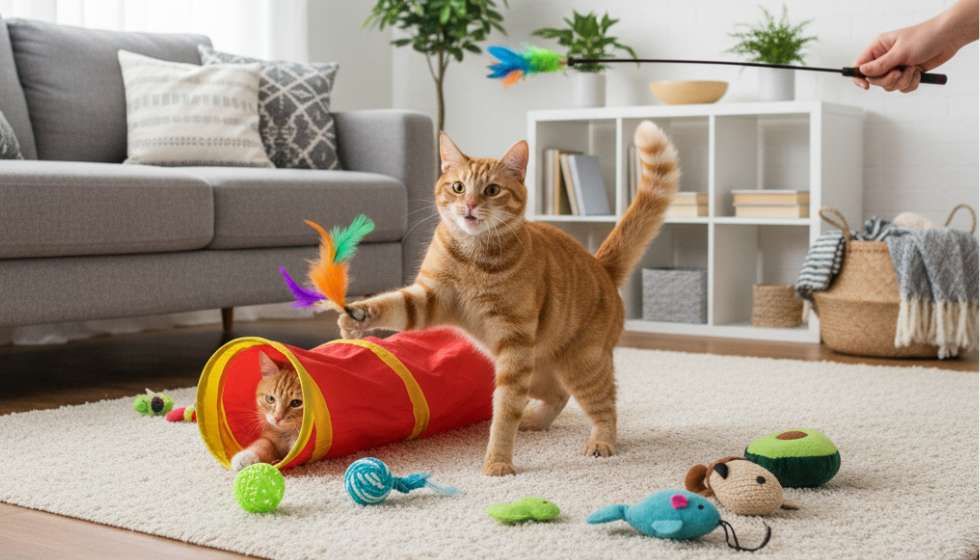
Understanding these signs helps owners provide proper care and prevents unwanted mating. Cats that experience heat cycles may also benefit from interactive cat play to redirect energy and reduce stress.
Safe Ways to Help Your Cat During Heat
It’s important to avoid unsafe or harmful methods. Here are proven strategies:
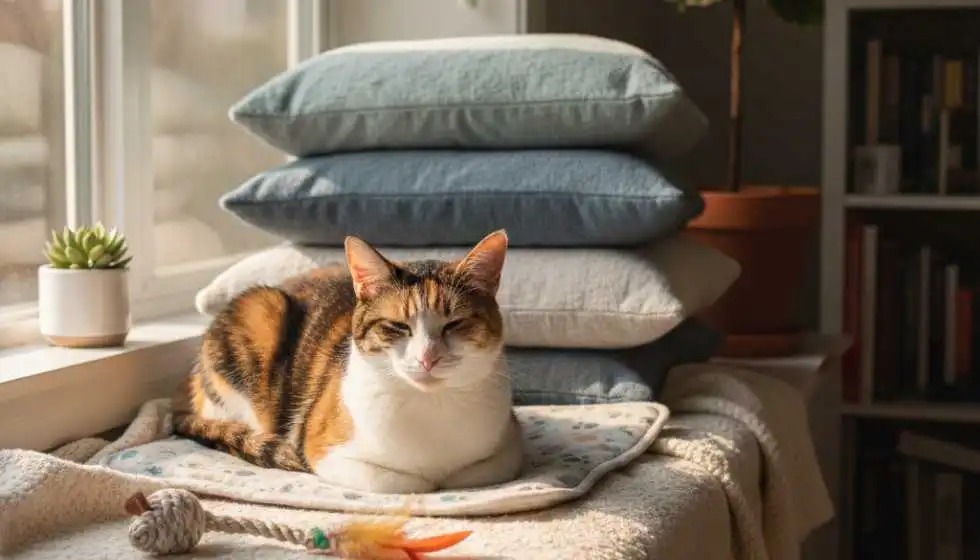
1. Create a Calm Environment
Cats are sensitive to stress. Provide a quiet, cozy area away from loud noises or household activity. Comfortable bedding, hiding spots, and vertical spaces can make a huge difference, enhancing indoor cat happiness.
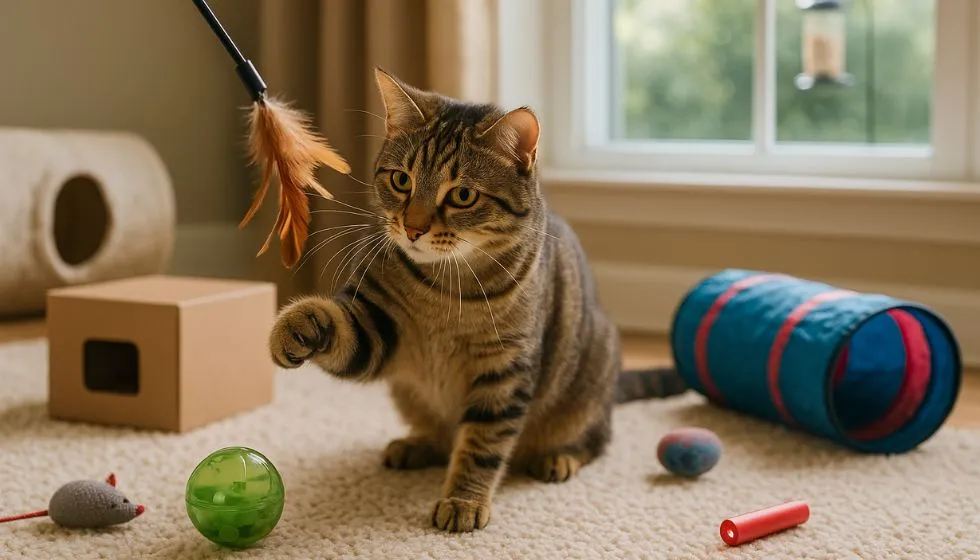
2. Interactive Play
Redirect excess energy with toys, laser pointers, or puzzle feeders. Play helps reduce restlessness and keeps your cat mentally and physically stimulated.
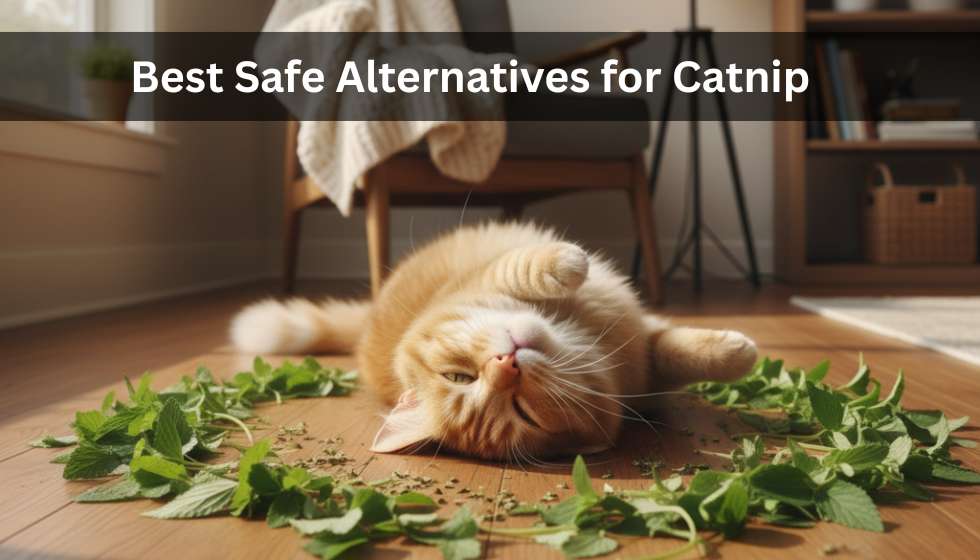
3. Comforting Foods and Treats
Certain treats, like catnip or calming snacks approved by vets, can provide soothing effects.
4. Pheromone Diffusers
Products like Feliway mimic feline facial pheromones and can promote relaxation and security in cats.
5. Keep Your Cat Indoors
Preventing outdoor access reduces mating risks and keeps your cat safe from injuries, other animals, or traffic.
6. Provide Extra Attention
Gentle petting, brushing, and interactive affection can calm your cat without encouraging mating behavior.
Medical and Veterinary Solutions
For long-term management or extreme symptoms, consult a veterinarian:
Hormonal Therapy
Some vets offer hormone injections to temporarily suppress estrus. This is a short-term solution and may not be suitable for every cat.
Spaying (Ovariohysterectomy)
The most effective long-term solution. Spaying:
- Prevents heat cycles permanently
- Reduces risk of certain diseases (like pyometra or ovarian cancer)
- Stops unwanted pregnancies
- Often reduces behavioral issues like yowling or marking
Discussing spaying and neutering options with your veterinarian can help you decide the best timing for your cat. According to the American Veterinary Medical Association, the benefits of spaying typically outweigh the risks for most pets.
Common Myths About Cat Heat
- Myth: Cats should experience heat before spaying
Fact: Early spaying is safe and prevents future behavioral problems. - Myth: One litter resolves heat behavior
Fact: Heat behaviors continue unless the cat is spayed. - Myth: Hormonal medications are always safe
Fact: Only a veterinarian should administer hormone therapy.
Potential Complications
- Pyometra: A serious uterine infection requiring urgent veterinary care.
- False pregnancy: Behavioral changes mimicking pregnancy without actual conception.
Monitoring your cat and seeking timely veterinary attention is crucial. Maintaining overall cat care routines also helps reduce health risks during estrus.
FAQs
Usually 2–3 weeks per cycle, occurring multiple times per year.
Yes. Cats can become fertile as early as 4–6 months old.
Provide a calm environment, interactive play, pheromone diffusers, and extra attention.
Yes. Spaying is safe at any age, including before the first heat.
Increase playtime, ensure a stress-free space, and consult your veterinarian if distress persists.

Ashley Bates is a passionate freelance pet writer, lifelong animal lover, and dedicated advocate for pet welfare. Currently studying animal therapy, she uses her experience with rescue animals, pet care, and behavior education to help owners build healthier, happier lives for their cats and dogs. When she isn’t writing, Ashley is often volunteering, fostering, or supporting animal rights in her community.