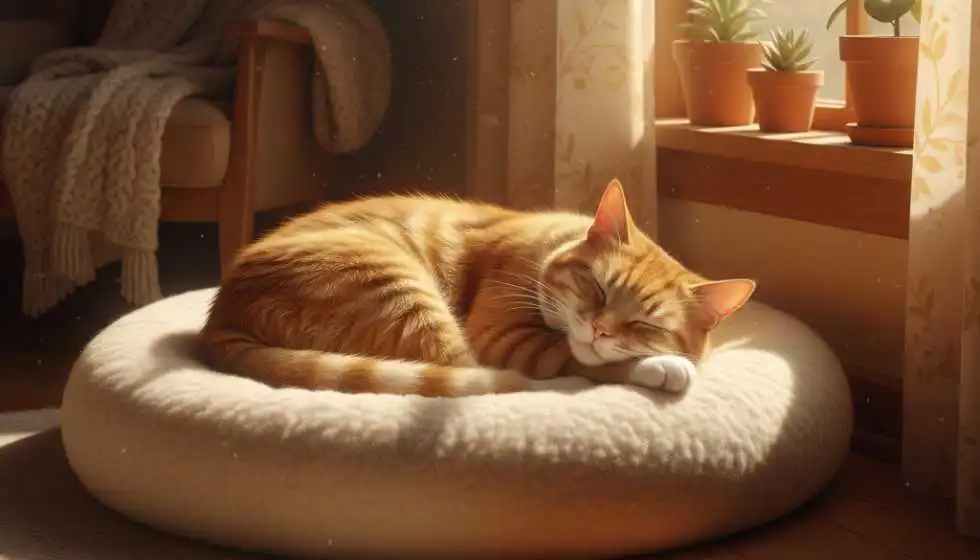
Have you ever watched your cat snooze and noticed her paws, whiskers, tail, or even ears twitching? This common behaviour can be both adorable and puzzling. While it’s usually harmless, understanding why your cat twitches during sleep can give you valuable insights into her health, brain activity, and overall well-being.
In this guide, we’ll explore the science behind cat sleep, the reasons for twitching, how to create a comfortable sleeping environment, and signs that might indicate a problem.
Understanding Cat Sleep Cycles
Cats are expert sleepers, often spending 12–16 hours a day resting. Like humans, they experience different stages of sleep, each playing an essential role in their health and behavior.
1. Non-REM Sleep
- Purpose: Restores the body, repairs tissues, strengthens muscles and bones, and boosts immunity.
- Characteristics: Slow, deep breathing; minimal movement; often curled up in a cozy spot.
- Observation: Cats are less likely to twitch during non-REM sleep.
2. REM Sleep (Rapid Eye Movement)
- Purpose: Supports brain function, memory consolidation, and learning.
- Characteristics: Rapid eye movements under closed eyelids, relaxed muscles, occasional vocalizations.
- Observation: Twitching, paw paddling, whisker movement, or tail flicks are most common in this stage. This is also when dreaming occurs.
Why Cats Twitch in Their Sleep
There are several reasons why your cat may twitch, move, or make noises while sleeping:
1. Dreaming
Cats experience vivid dreams, especially during REM sleep. They may chase imaginary prey, explore their environment, or play. Twitching is a natural response to these dream scenarios.
2. Muscle Activity
Unlike humans, cats retain some muscle tone during REM sleep, which allows involuntary movements. This explains why their paws or tail might move even when they appear fully asleep.
3. Age and Development
- Kittens: Twitch more frequently as their nervous system and muscles develop. Twitching helps strengthen coordination and motor skills.
- Adult Cats: Twitching usually decreases but may still occur during deep dreams.
4. Temperature Regulation
Cats may twitch or shiver slightly in response to cold. This natural reaction helps maintain body temperature.
5. Health Concerns
Excessive or violent twitching can indicate:
- Seizures or neurological disorders
- Pain or discomfort
- Fever or illness
Tip: If your cat’s twitching is sudden, intense, or accompanied by other unusual symptoms, consult a veterinarian.
Tips to Ensure Restful Sleep for Your Cat
A well-rested cat is healthier and happier. Here’s how to improve your cat’s sleep environment and routine:
1. Provide a Comfortable Sleeping Spot
- Use soft bedding in a quiet, safe corner.
- Consider elevated spots like cat trees, which provide security.
- Avoid areas with loud noise or heavy foot traffic.
2. Encourage Play and Exercise
- Engage your cat in daily play sessions to expend energy.
- Use interactive toys, laser pointers, or climbing trees.
- A well-exercised cat tends to sleep deeper.
3. Maintain a Balanced Diet
- Feed high-quality, nutrient-rich food.
- Avoid feeding immediately before bedtime to prevent digestive discomfort.
4. Regular Veterinary Care
- Schedule routine check-ups for early detection of health issues.
- Vaccinations, parasite prevention, and dental care are essential.
5. Create a Safe Environment
- Remove hazards like small objects, toxic plants, or sharp edges.
- A safe environment reduces stress and promotes uninterrupted sleep.
Observing Your Cat’s Sleep Behavior
Pay attention to your cat’s sleep patterns to better understand her health and mood.
Sleep Duration
- Adult cats: 12–16 hours per day
- Kittens and seniors: Up to 20 hours
- Significant changes in sleep duration may signal illness or stress.
Sleep Positions
Cats have various sleep positions, each indicating a different level of comfort and security.
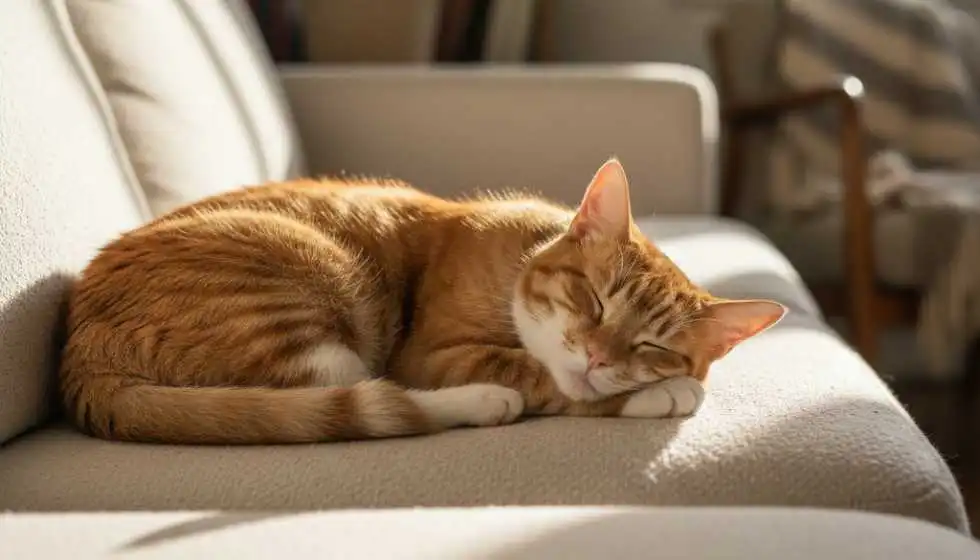
- Curled up: Deep non-REM sleep; feeling safe but conserving warmth.
- Sprawled out: Relaxed and confident in their environment.
- Side-lying or belly-up: Maximum comfort and trust.
Nocturnal and Crepuscular Behavior
- Cats are naturally crepuscular (active at dawn and dusk).
- Adjust play and feeding schedules to align activity periods with your routine if nighttime activity disturbs your sleep.
Signs of Distress
- Excessive twitching, vocalizations, or restlessness
- Sudden changes in sleeping habits
- Consult a vet if these signs appear alongside lethargy, pain, or unusual behavior.
When to Worry About Twitching
While occasional twitching is normal, these signs warrant veterinary attention:
- Tremors or shaking while awake
- Twitching accompanied by convulsions or disorientation
- Aggressive behavior or sudden pain during sleep
- Lethargy or refusal to eat after episodes
Early detection ensures your cat receives proper care and avoids serious complications.
Conclusion
Twitching in your cat’s sleep is typically normal and often linked to dreaming, muscle activity, or developmental factors. By providing a comfortable environment, maintaining a healthy routine, and observing your cat’s behavior, you can ensure she enjoys peaceful and restorative sleep.
Remember, every cat is unique. Observing their sleep patterns and understanding the reasons behind twitching strengthens your bond and promotes a happy, healthy feline companion.
FAQs
Yes, twitching is usually normal, especially during REM sleep when cats are dreaming.
Kittens’ nervous systems are still developing, and twitching helps strengthen their muscles and coordination.
Occasional twitching is normal. However, excessive or violent twitching may signal seizures or neurological issues, requiring veterinary evaluation.
Yes, cats experience REM sleep where dreaming occurs, and twitching is a common response to these dreams.
Provide a comfortable sleeping area, regular play and exercise, a balanced diet, and a safe, quiet environment.

Ashley Bates is a passionate freelance pet writer, lifelong animal lover, and dedicated advocate for pet welfare. Currently studying animal therapy, she uses her experience with rescue animals, pet care, and behavior education to help owners build healthier, happier lives for their cats and dogs. When she isn’t writing, Ashley is often volunteering, fostering, or supporting animal rights in her community.