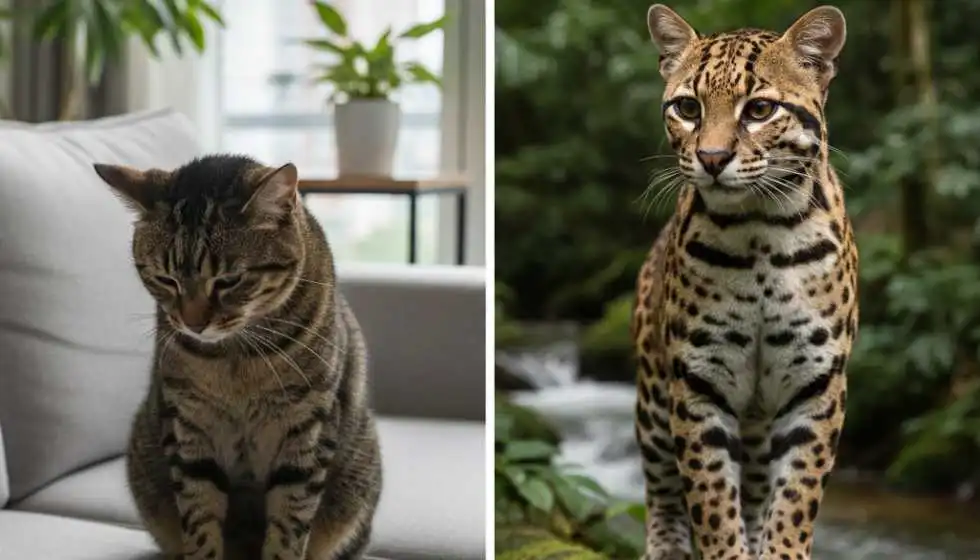
Cats are masters at hiding pain—but how they hide it depends greatly on their environment. Indoor cats and wild cats live under completely different conditions, and these differences strongly influence how pain is expressed, masked, or revealed. Understanding these contrasts can help pet owners recognize subtle warning signs early and seek timely veterinary care.
Indoor cats live in predictable, protected spaces with access to food, warmth, and human support. Wild cats, on the other hand, survive in harsh environments where showing weakness can mean death. Because of this, pain behaviors in indoor and wild cats have evolved very differently.
How Environment Shapes Pain Expression in Cats
An indoor cat’s world is controlled and relatively stress-free. There are no predators, food shortages, or territorial battles. This safety allows indoor cats to express discomfort through subtle changes in behavior and routine.
Wild cats must constantly remain alert. Any visible sign of pain or weakness can attract predators or rivals. As a result, wild cats instinctively suppress pain signals, even when severely injured. This survival-driven behavior is deeply ingrained through evolution.
Behavioral Signs of Pain in Indoor Cats
Behavioral changes are often the earliest indicators of pain in indoor cats. These signs are easy to miss if you’re not watching closely.
Common behavioral changes include:
- Reduced activity or reluctance to jump or climb
- Hiding in unusual places
- Decreased interest in play or social interaction
- Changes in sleeping patterns
- Avoidance of being touched, especially in painful areas
Unlike wild cats, indoor cats may feel “safe enough” to slow down or withdraw when they don’t feel well.
Why Wild Cats Mask Pain So Effectively
Wild cats must appear strong at all times. Even minor injuries can reduce their ability to hunt, escape danger, or defend territory.
Because of this:
- They maintain normal routines despite pain
- They continue hunting or traveling long distances
- They suppress limping, vocalization, or weakness
Pain in wild cats often becomes visible only when it is severe or life-threatening, making detection extremely difficult without prolonged observation.
Physical Signs of Pain in Indoor Cats
Indoor cats often show physical symptoms that reflect discomfort or illness.
These may include:
- Hunched posture or stiffness
- Limping or reluctance to move
- Overgrooming one area or neglecting grooming entirely
- Matted or greasy fur
- Noticeable weight loss or appetite changes
Because indoor cats do not need to hide vulnerability, these signs are more pronounced than in wild cats.
Subtle Physical Indicators in Wild Cats
Wild cats rarely display obvious physical pain signals. Instead, changes are extremely subtle:
- Slight alterations in gait
- Shorter hunting distances
- Longer rest periods between activities
- Hesitation before jumping or running
Injuries that would sideline an indoor cat are often endured by wild cats out of necessity.
Vocalization Differences: Indoor vs. Wild Cats
Indoor cats may vocalize more when in pain:
- Increased meowing or unusual sounds
- Changes in tone or pitch
- Purring as a self-soothing response (often misunderstood as happiness)
Wild cats, however, stay mostly silent. Vocalizing pain could reveal their location to predators or competitors, so any sound is brief and controlled.
Social Interaction and Pain Response
Indoor cats often rely on humans when they feel unwell. They may:
- Seek comfort by staying close to their owner
- Become unusually clingy
- Or withdraw completely if pain makes them anxious
Wild cats live independently. They cannot seek help and must rely entirely on their physical resilience and instincts to survive.
The Importance of Observation
For indoor cats, pain is often detected through small daily changes:
- Eating habits
- Litter box use
- Grooming behavior
- Activity levels
In wild cats, pain assessment requires long-term monitoring by wildlife experts, often focusing on movement patterns and hunting efficiency rather than obvious symptoms.
Regular observation is key to early detection of pain or illness. Combining careful monitoring with enrichment, diet, and routine checkups forms part of the best practices for indoor cat care, helping your cat live a healthier, happier life.
Evolutionary Adaptations to Pain
Domestication has made indoor cats more expressive—though still subtle—when they are uncomfortable. Over generations, wild cats have evolved to suppress pain signals as a survival mechanism.
These adaptations reflect how environment and lifestyle shape feline behavior, reinforcing why indoor cats and wild cats respond so differently to pain.
Why This Knowledge Matters for Cat Owners
Understanding these differences helps cat owners:
- Recognize pain earlier
- Avoid dismissing “minor” behavior changes
- Seek veterinary care before conditions worsen
Early detection can dramatically improve quality of life and long-term health for indoor cats.
FAQs
Look for changes in behavior, appetite, grooming habits, posture, or social interaction. Even subtle shifts can indicate discomfort.
Wild cats hide pain to avoid appearing weak, which could attract predators or rivals and reduce their chances of survival.
Yes. Purring can be a self-comforting behavior and may occur when a cat is stressed, anxious, or in pain—not just when they’re happy.
Yes. Cats instinctively mask pain, making behavioral observation especially important for early detection.