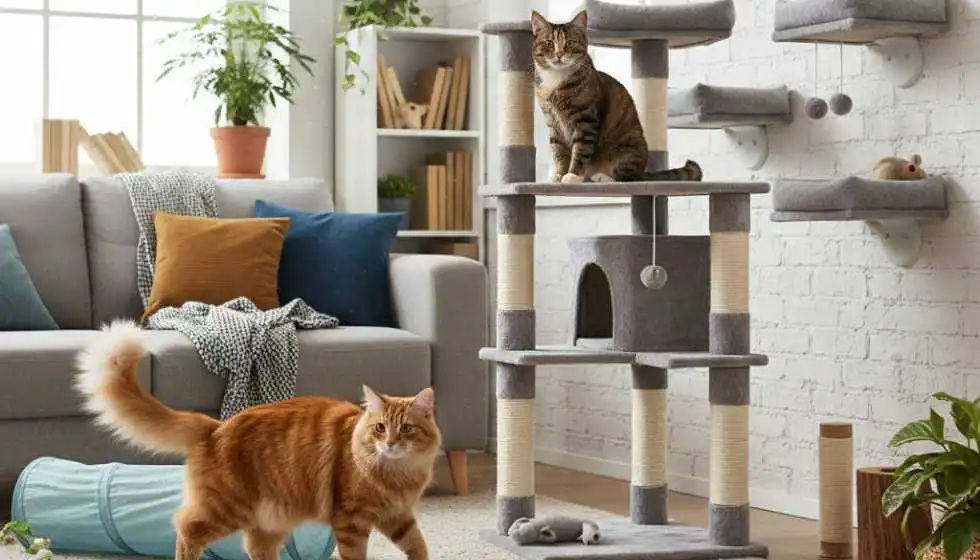
Cats are often seen as independent and self-sufficient pets, but in multi-cat households, their territorial instincts can sometimes lead to bullying behavior. If one cat is constantly chasing, hissing at, blocking, or intimidating another, it can create chronic stress, anxiety, and even health issues for the bullied cat.
Cat bullying should never be ignored. The good news is that with the right approach—based on modern feline behavior research—you can significantly reduce or completely stop this behavior and restore harmony in your home.
Why Does Cat Bullying Happen?
Before jumping into solutions, it’s crucial to understand why one cat is bullying another. Common causes include:
- Territorial insecurity (especially in indoor cats)
- Competition for resources (food, litter boxes, attention)
- Poor socialization during kittenhood
- Personality mismatch between cats
- Redirected aggression (triggered by outside cats or loud noises)
- Medical or pain-related aggression
- Stress from changes (new home, new pet, schedule change)
Identifying the underlying trigger will help you apply the most effective solution rather than guessing.
Is My Cat Playing or Bullying the Other Cat?
One of the best ways to prevent cat bullying is by understanding cat body language. Watching ear positions, tail movements, and posture helps you tell if interactions are playful or aggressive, allowing you to step in before stress or fear escalates.
1. Separate Resources (Non-Negotiable Rule)
Modern feline behaviorists strongly recommend the “one per cat + one extra” rule:
- Food bowls
- Water stations
- Litter boxes
- Sleeping spots
- Scratching posts
Place resources in multiple locations, not side by side. This prevents dominant cats from guarding or blocking access, which is one of the most common forms of bullying.
Tip: Avoid placing litter boxes in dead-end areas where a cat could be ambushed.
2. Increase Mental & Physical Enrichment
Boredom is a major trigger for bullying. Cats need daily outlets for natural hunting behaviors.
Effective enrichment ideas:
- Wand toys (used separately with each cat if needed)
- Puzzle feeders
- Rotating toys every few days
- Window perches for outdoor viewing
- Scheduled play sessions (10–15 minutes, 2x daily)
A tired cat is far less likely to bully.
3. Create Safe Zones & Escape Routes
The bullied cat must always have a way to escape without confrontation.
Provide:
- Vertical spaces (cat trees, shelves)
- Covered beds or hide boxes
- Quiet rooms with exclusive access
Vertical territory is especially important—cats feel safer when they can observe from above rather than flee.
4. Gradual Reintroduction (When Bullying Is Severe)
If bullying has escalated to constant fear, separation is often necessary.
Modern reintroduction method:
- Separate cats into different rooms
- Feed them near a closed door (positive association)
- Swap bedding or scents daily
- Use baby gates or screen doors for visual contact
- Short, supervised interactions with treats and play
This process may take weeks, but rushing it often makes things worse.
5. Use Positive Reinforcement Only
Never punish a bullying cat—this increases stress and aggression.
Instead:
- Reward calm behavior
- Praise peaceful coexistence
- Give treats when cats pass each other calmly
- Redirect bullying attempts with toys or noise (not yelling)
Positive reinforcement builds trust and reduces fear-based behavior.
6. Try Calming Aids (Scientifically Supported)
Modern studies support pheromone therapy for stress-related aggression.
Options include:
- Pheromone diffusers (e.g., Feliway MultiCat)
- Calming collars
- Vet-approved calming supplements
These are not instant fixes, but they help lower baseline stress levels over time.
7. Expand Territory (Think Vertical)
Cats don’t just need floor space—they need 3D territory.
Add:
- Wall-mounted shelves
- Tall cat trees
- Multi-level furniture access
This allows cats to coexist without constantly invading each other’s space.
8. Rule Out Medical Causes
Sudden bullying or aggression can be caused by:
- Pain or arthritis
- Dental disease
- Hormonal changes
- Neurological issues
Always schedule a vet check, especially if the behavior appeared suddenly or worsened rapidly.
9. Know When to Seek Professional Help
If bullying continues despite consistent efforts, consult:
- A veterinarian (medical evaluation)
- A certified feline behaviorist
Professionals can create a customized behavior modification plan and prevent long-term emotional damage.
Signs Bullying Is Improving
- Fewer chases or ambushes
- Relaxed body languageShared spaces without tension
- Normal eating and litter habits
- Grooming and resting near each other
Progress is gradual—small improvements matter.
Final Thoughts
Stopping cat bullying requires patience, structure, and consistency. By addressing the root causes, providing adequate resources, and creating a stress-free environment, most cats can learn to coexist peacefully—even if they never become best friends.
A calm home benefits both cats, and with the right steps, harmony is absolutely achievable
FAQs
Yes, mild dominance behavior can be normal, but repeated chasing, blocking resources, or causing fear is not healthy and should be addressed.
Play is mutual and relaxed. Bullying involves one cat always chasing while the other hides, hisses, or avoids shared spaces.
Yes. Chronic stress can lead to urinary issues, over-grooming, appetite loss, and litter box avoidance.
No. Punishment increases fear and aggression. Redirection and positive reinforcement are far more effective.
They help reduce stress but work best when combined with proper resource management and behavior modification.
Neutering can reduce hormone-driven aggression but won’t fix territorial or fear-based bullying alone.
Improvement may take a few weeks, while severe cases can take several months with consistent effort.
Only in rare cases. Most cats can learn peaceful coexistence with proper intervention.

Luxifa Le is a freelance writer and animal science communicator with over six years of professional pet care experience. Passionate about making complex pet health and behavior topics easy to understand, she blends scientific accuracy with compassionate guidance to help pet owners make smarter, more confident decisions. When she isn’t writing, Luxifa is actively involved in the pet care community, advocating for responsible ownership and continued education.