Declawing a cat is an amputation of the final toe bone — not just nail removal. As of 2026, multiple U.S. states have banned it due to long-term pain, mobility issues, and behavioral changes. Safer alternatives include nail trims, scratching posts, and nail caps.
Declawing a cat used to be a common solution for scratching — but a lot has changed. Today, medical understanding, global laws, and animal-welfare standards have shifted dramatically.
Many vets no longer perform the surgery, new U.S. states have banned it, and more cat owners are educating themselves before making such a life-altering decision for their pet.
This guide breaks down updated costs, 2026 legality status, procedure types, benefits vs. risks, and the best humane alternatives to declawing your cat.
What Declawing Actually Is (and Why the Term is Misleading)
Despite the name, declawing is not a nail removal.
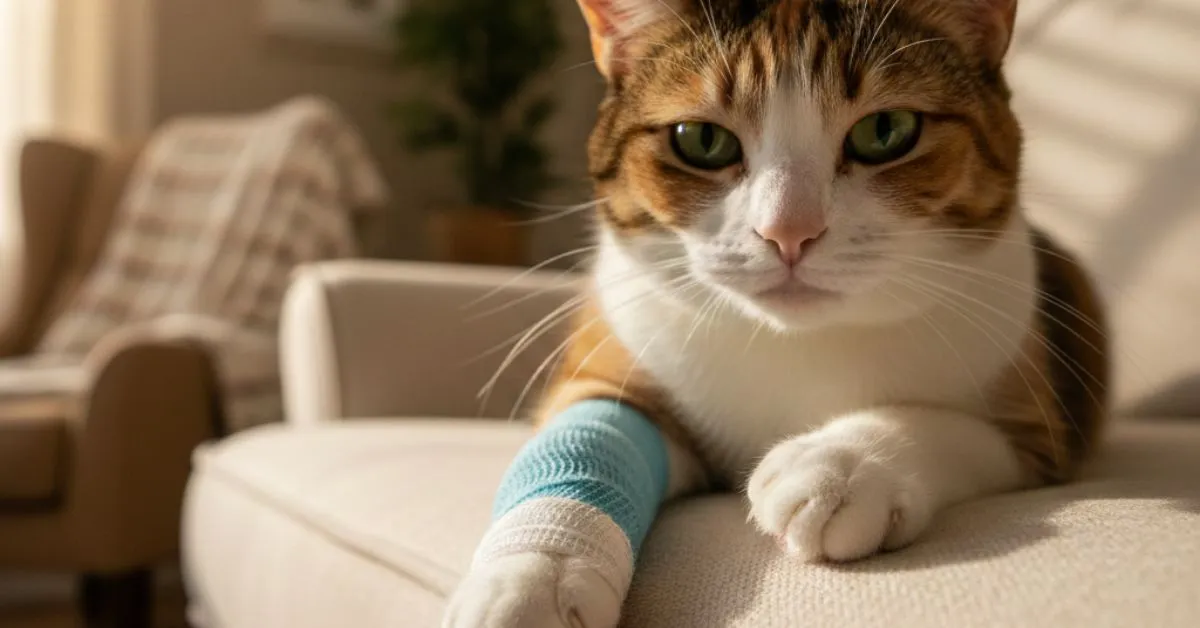
Declawing (onychectomy) involves amputating the final bone of each toe, permanently removing the nail bed and claw. It is equivalent to cutting off the last knuckle of each human finger.
Most vets only perform it on the front paws — but the long-term effects apply for life.
Because of the pain, complications, and permanent loss of natural behavior, the practice is increasingly seen as unnecessary and inhumane.
Declawing Laws in 2026 — Now Illegal in More Places
Your original article mentioned only two states banning declawing — but that’s now outdated.
As of 2025, elective (non-medical) cat declawing is illegal in at least five U.S. states:
| State | Status |
|---|---|
| New York | Statewide ban |
| Maryland | Statewide ban |
| Virginia | Ban effective July 2024 |
| Massachusetts | Ban passed January 2025 |
| Rhode Island | Ban effective September 2025 |
Additionally, many U.S. cities & counties have local bans, especially across California.
Declawing is also banned in many countries including:
🇬🇧 UK • 🇦🇺 Australia • 🇳🇿 New Zealand • 🇧🇷 Brazil • 🇮🇱 Israel
…and most of Europe strictly prohibits non-therapeutic declawing.
The trend is expanding — more states are actively proposing legislation each year.
Cost of Declawing a Cat 2026
Recent veterinary cost data shows the price varies based on the procedure, pre-op testing, pain management, and overnight monitoring.
| Method | Typical Price Range |
|---|---|
| Clipper / Blade Onychectomy | $400–$900 |
| Disarticulation Surgery | $600–$1,200 |
| Laser Declawing | $800–$1,500 |
Some clinics may quote less — but lower cost often means fewer pain-management protocols. Higher-priced clinics may include:
✔ bloodwork
✔ anesthesia monitoring
✔ hospitalization
✔ post-op medication
In reality, long-term complications can cost far more than the surgery itself.
Types of Declawing Procedures
Regardless of the technique, the last toe bone is always removed.
- Clipper/Bone Cutting
- Traditional, common, cheaper
- Disarticulation
- Removes entire bone by cutting ligaments
- Laser Declaw
- Less bleeding, less immediate pain, but still involves bone removal
- Tendonectomy
- Leaves claws intact but disables extension
- Requires lifelong nail trimming to prevent deformities
Risks & Consequences of Declawing
Declawing may stop furniture damage — but it creates lifelong loss for the cat.
Medical & physical risks:
- Chronic pain or nerve damage
- Arthritis from altered posture
- Back/spinal issues from gait changes
- Infection risk during and after surgery
Behavioral changes:
- Refusal to use litter box (toes hurt when digging)
- Increased biting (defensive behavior)
- Anxiety, stress, and aggression
Quality of life concerns:
- Cats can’t climb, hunt, or stretch naturally
- Permanent physical disability
- Declawed cats should never live outdoors — they can’t defend themselves
For most cats, declawing solves a human problem by creating a feline one.
Are There Any Benefits?
Mostly for people, not the cat.
✔ Stops furniture scratching
✔ Reduces accidental scratching of children or elderly
✔ Helpful only in rare medical cases — infection, cancer, severe trauma
Even then, veterinarians increasingly recommend declawing only when all alternatives have failed.
Humane & Safe Alternatives to Declawing
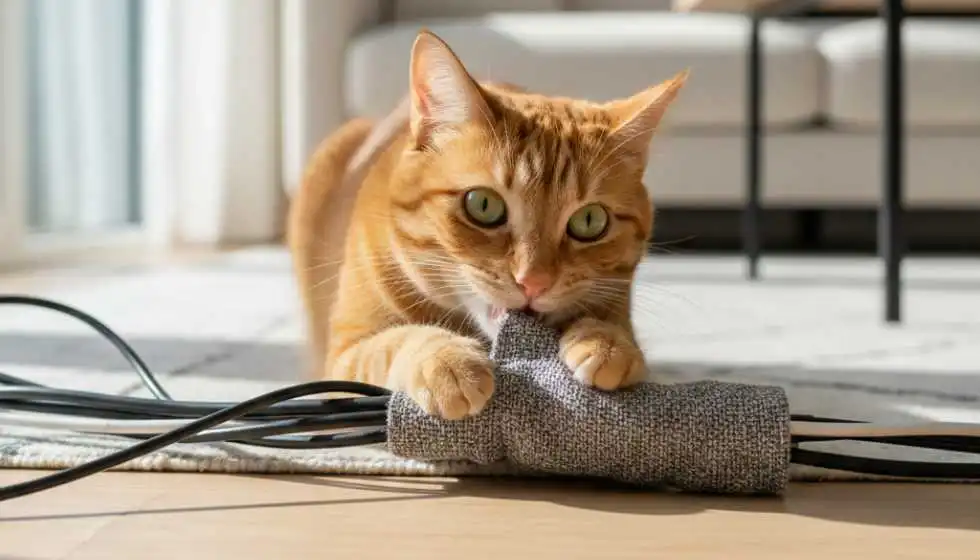
You can protect your furniture and still keep your cat’s claws!
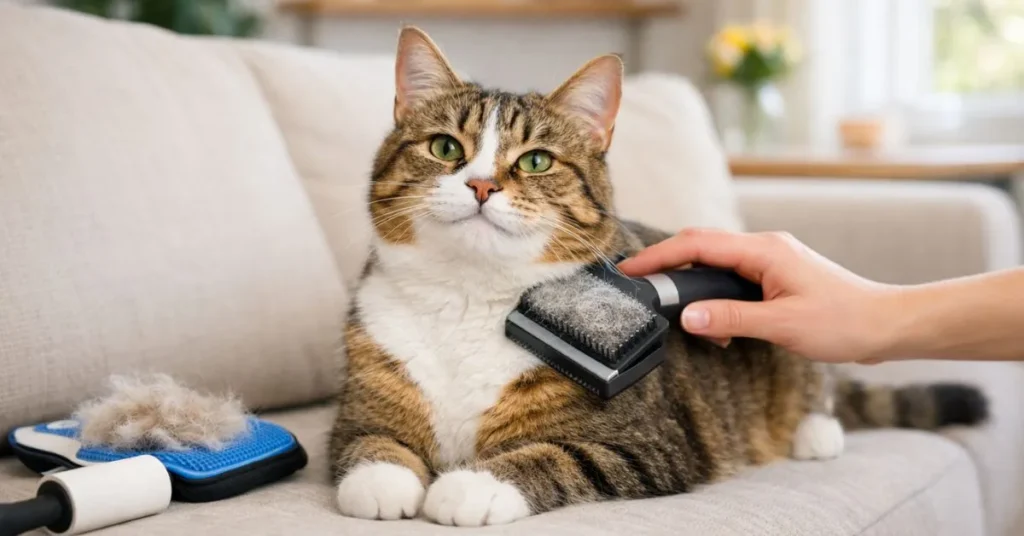
1. Regular Nail Trimming
Every 2–3 weeks (or have a groomer/vet do it).
2. Nail Caps (Soft Claws)
Painless claw covers replaced every 4–6 weeks.
3. High-Quality Scratching Options
Try:
- Sisal posts
- Cardboard ramps
- Vertical + horizontal scratchers
- Cat trees + climbing furniture
Sprinkle catnip to encourage use.
4. Positive Training
Reward scratching on posts, redirect gently, never punish.
5. Reduce Stress Triggers
Scratching increases with:
- boredom
- anxiety
- environmental changes
- competing pets
More play + stimulation = less damage.
When to Talk to a Veterinarian
If your cat is:
- scratching excessively
- acting stressed
- refusing the litter box
- behaving aggressively
— underlying medical or emotional issues may be the cause. A vet can help identify triggers, create a behavioral plan, and recommend safe alternatives.
Final Thoughts
Declawing isn’t a nail trim — it’s an amputation with lifelong effects. While the surgery remains legal in some regions, more states, countries, and veterinarians are moving away from it every year.
With training, nail care, and proper scratching outlets, you can protect your furniture without compromising your cat’s comfort, mobility, or happiness.
Claws are part of who cats are — and with the right approach, you can live peacefully with them.
FAQs
Not everywhere. As of 2026, at least five states and many U.S. cities have banned elective declawing. More states are expected to follow in coming years.
Depending on the method, expect $400–$1,500, with laser being the most expensive. Post-operative care and complication treatment can increase cost significantly.
Yes — many develop chronic pain, arthritis, altered gait, and increased sensitivity because the entire toe bone is removed. Some cats may suffer for life.
Regular nail trimming, scratch-training, and nail caps are the best and most commonly recommended options. Providing multiple scratching posts also helps.
Usually, yes — but it may lead to biting, anxiety, litter avoidance, and difficulty walking. Behavioral alternatives achieve the same goal without surgery.
No — they cannot defend themselves from predators or other cats and may struggle to climb or escape danger.

Christina Donnelly is a writer, editor, and animal welfare advocate who loves to spread cheer in the form of cute animal photos and interesting animal facts.
Christina has worked in digital media for over a decade. Her current 9-to-5 is with Anthem Health, where she works as a content lead.
Title: Writer
Education: Marist College
Location: Brooklyn, New York
Expertise: Cats